
Kevin Warsh Signals Commitment to Fed Independence Amid Trump Rate Cut Pressure
Federal Reserve Chair nominee Kevin Warsh is expected to emphasize the importance of central bank independence during his upcoming Senate confirmation hearing, according to recent reports. His remarks come at a time w…

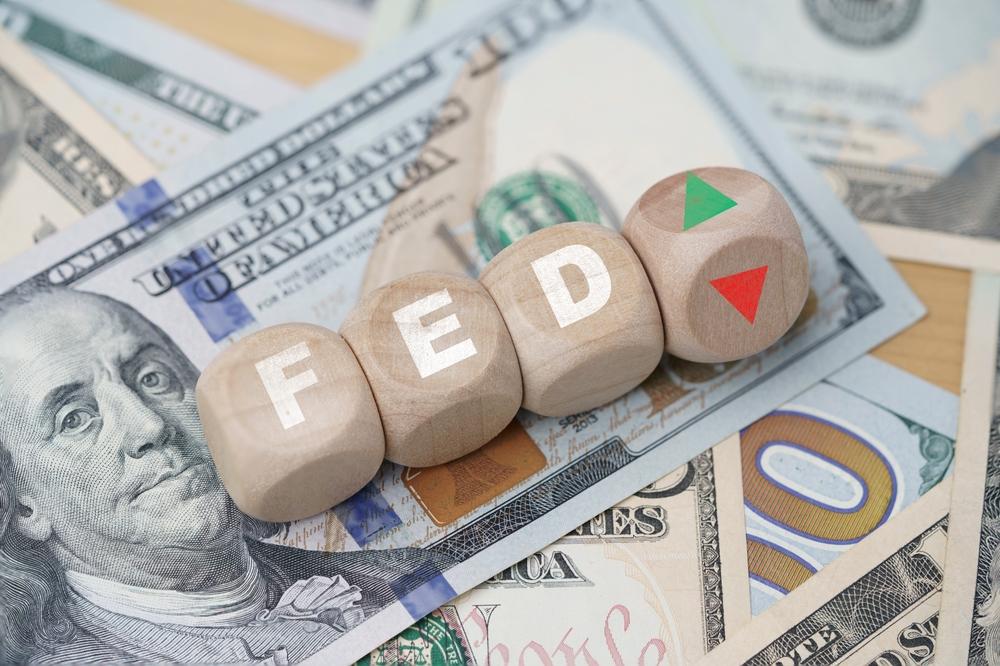
Federal Reserve Chair nominee Kevin Warsh is expected to emphasize the importance of central bank independence during his upcoming Senate confirmation hearing, according to recent reports. His remarks come at a time when U.S. President Donald Trump has been urging the Federal Reserve to implement interest rate cuts, despite ongoing concerns about inflation among Federal Open Market Committee (FOMC) members.
Warsh has made it clear that maintaining the Federal Reserve’s independence in monetary policy decisions will be a priority if he succeeds Jerome Powell. In prepared statements, he noted that policy decisions must remain free from political influence to ensure long-term economic stability. At the same time, Warsh acknowledged that the Fed’s credibility and independence are closely tied to its ability to manage inflation effectively and avoid external distractions.
The debate over Fed independence has intensified over the past year, particularly as Trump has repeatedly called for lower interest rates to stimulate economic growth. Tensions escalated further when the Department of Justice launched an investigation into Jerome Powell, which the current Fed chair suggested was linked to the central bank’s refusal to align with the administration’s rate-cut agenda.
Despite speculation that Warsh could support more accommodative monetary policy, his track record as a former Fed governor suggests a cautious approach. Historically viewed as an inflation hawk, Warsh appears to be taking a more balanced stance, though he has not explicitly endorsed aggressive rate cuts.
Market expectations also point toward a steady policy outlook. Data from CME FedWatch indicates that investors anticipate the Federal Reserve will hold interest rates unchanged in the near term. Geopolitical tensions, including the ongoing U.S.-Iran conflict, have added further uncertainty, reinforcing the Fed’s wait-and-see approach.
Even if confirmed, Warsh may face challenges in shifting policy direction. Jerome Powell is expected to remain on the Fed board during the DOJ investigation, limiting the administration’s influence. As a result, significant rate cuts in the near future appear unlikely, keeping the focus on inflation control and economic stability.
Riza Dagoc
Riza Dagoc reports on regulation, investing and the digital-asset business for TokenPost. Send corrections or tips to info@tokenpost.com.