

 News
News  Coin Information
  About us
  Customer Service


 Add as a preferred source on Google

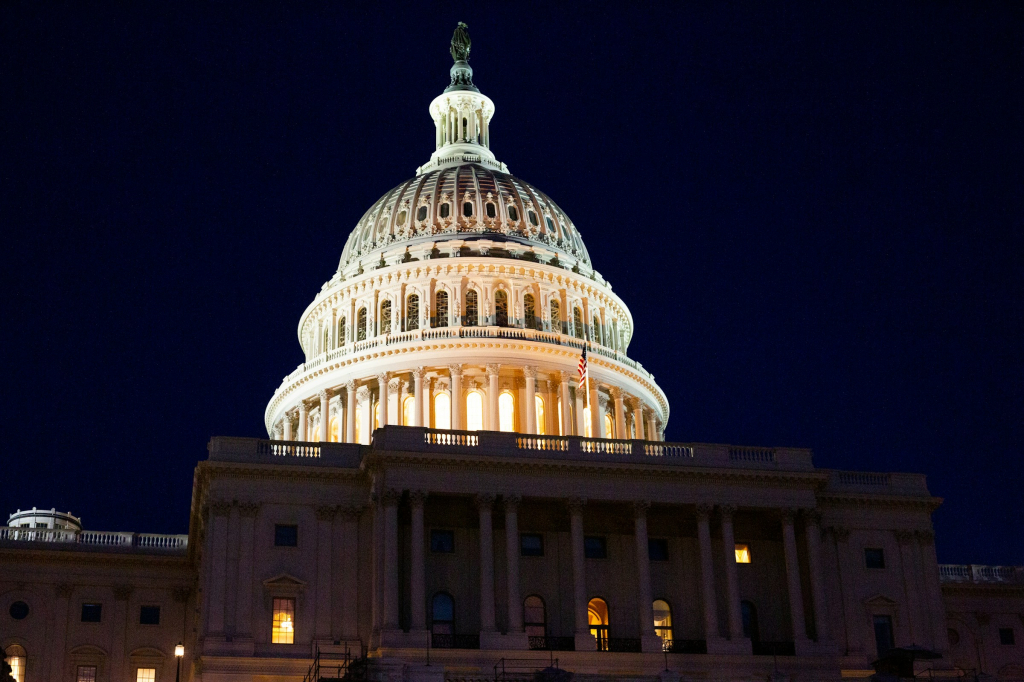
The Digital Asset Market Clarity Act, which advanced through the Senate Banking Committee on May 14, is poised to shape the future of cryptocurrency regulation in the United States. While the legislation aims to establish a clear framework for the rapidly growing digital asset industry, several significant gaps remain that could weaken its effectiveness and create risks for consumers, national security, and financial integrity.
One major concern is the treatment of decentralized finance (DeFi) platforms. Digital asset services that facilitate the movement or exchange of funds should not avoid oversight simply by claiming to be decentralized. Authorities have repeatedly linked crypto mixers and similar tools to money laundering activities involving North Korean cybercriminals, highlighting the need for stronger anti-money laundering (AML) and sanctions compliance requirements across the crypto sector.
Another issue involves so-called “Tornado Cash” loopholes. Certain automated crypto protocols can continue operating even when they are being used for illicit finance. Recent warnings from the Financial Crimes Enforcement Network (FinCEN) regarding Iran-linked money laundering networks demonstrate why regulators need clear authority to address anonymizing technologies used to evade sanctions.
The bill also leaves a stablecoin regulation gap. Although the GENIUS Act established standards for stablecoin issuers, criminals can still move funds through DeFi platforms, offshore exchanges, and mixers with limited oversight. Stronger monitoring and reporting requirements could help prevent stablecoins from being exploited for sanctions evasion, fraud, ransomware, trafficking, and corruption-related money laundering.
Jurisdictional challenges present another weakness. Crypto platforms serving U.S. customers should not be able to bypass AML obligations by locating their headquarters overseas. Recent international money laundering cases underscore the importance of applying compliance standards to entities that interact with the U.S. financial system, regardless of where they are registered.
Finally, the legislation raises concerns about ethics and conflicts of interest. Reports of financial ties between political figures, their families, and cryptocurrency ventures have intensified calls for stricter rules. To maintain public trust, lawmakers should consider prohibiting public officials and immediate family members from owning, promoting, or benefiting from digital asset businesses while in office.
As the Senate prepares to consider the Clarity Act, the debate is no longer about whether cryptocurrency should be regulated. The central question is whether crypto legislation will be strong enough to protect consumers, strengthen national security, combat illicit finance, and ensure transparency in government. Addressing these five critical gaps would help create a more secure and credible regulatory framework for the digital asset industry in 2026 and beyond.


















Comment 0