
 Add as a preferred source on Google
Blockchain Association Says CLARITY Act Will Strengthen Crypto Crime Enforcement
The Blockchain Association is promoting the CLARITY Act as more than a crypto market structure bill, arguing that it would strengthen law enforcement efforts by establishing clear federal regulations for the digital a…


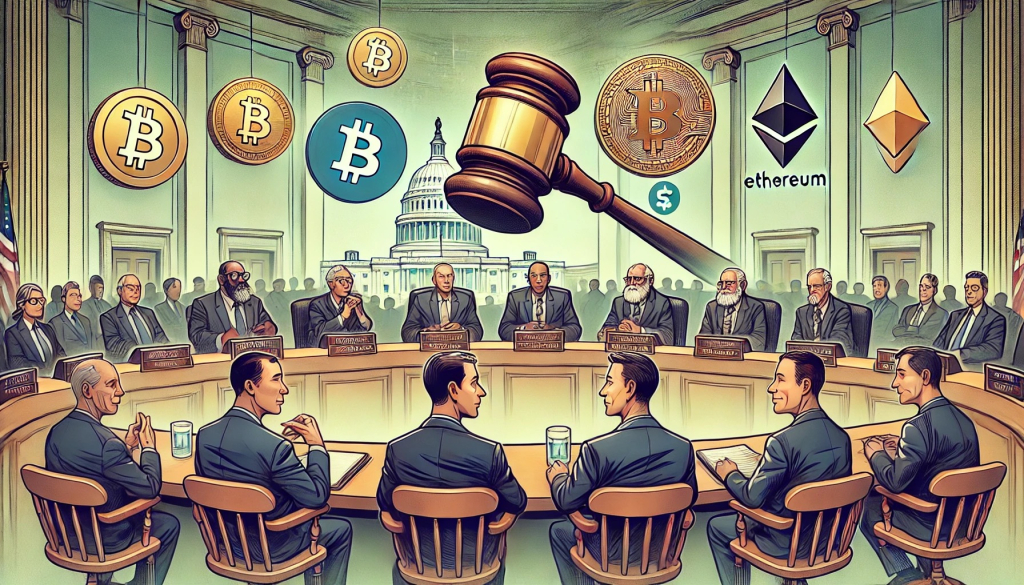
The Blockchain Association is promoting the CLARITY Act as more than a crypto market structure bill, arguing that it would strengthen law enforcement efforts by establishing clear federal regulations for the digital asset industry. The organization says the legislation would improve oversight, enhance compliance, and help authorities combat financial crime across the U.S. crypto sector.
According to the Blockchain Association, regulated cryptocurrency companies operating in the United States would be required to comply with federal laws, cooperate with regulators, and meet strict compliance standards. The group believes these requirements would provide investigators with greater visibility into digital asset transactions while reducing opportunities for criminals to exploit offshore exchanges, weak compliance programs, and regulatory loopholes.
The association also stressed that well-defined regulations would allow responsible crypto firms to work more closely with law enforcement, making them stronger partners in identifying and preventing illicit financial activity.
Ripple Chief Legal Officer Stuart Alderoty echoed that position, arguing that rejecting the CLARITY Act would allow bad actors to continue taking advantage of the current fragmented regulatory environment.
The proposed legislation would expand federal oversight of digital asset exchanges, brokers, dealers, and custodians by introducing registration, supervision, examinations, record-keeping, reporting, and enforcement requirements. It would also strengthen anti-money laundering (AML), sanctions compliance, and other regulatory obligations designed to help authorities investigate money laundering, fraud, terrorism financing, sanctions evasion, and related financial crimes.
In addition, the bill would place digital asset kiosks, commonly known as Bitcoin ATMs, under federal oversight. Operators would be required to register, provide transaction disclosures, and implement anti-fraud safeguards aimed at limiting scams and criminal abuse.
The Blockchain Association also defended the Blockchain Regulatory Certainty Act (BRCA), saying it would not weaken criminal investigations or enforcement. Instead, the proposal clarifies that software developers who do not control customer funds should not automatically be treated as financial intermediaries.
Support for the legislation has extended to law enforcement organizations. The National Organization of Black Law Enforcement Executives endorsed the CLARITY Act, stating that it enhances investigative capabilities while preserving existing criminal enforcement powers. Supporters also argue that public blockchains already provide valuable tools for tracking ransomware groups, drug traffickers, sanctions violators, and terrorist financiers, with the CLARITY Act further strengthening cooperation between regulators and the crypto industry.
Riza Dagoc
Riza Dagoc reports on regulation, investing and the digital-asset business for TokenPost. Send corrections or tips to info@tokenpost.com.