

 News
News  Coin Information
  About us
  Customer Service


 Add as a preferred source on Google


SEOUL — CHON Corp. is betting that one of humanity’s oldest forms of trust — personal relationships — can become a new layer of digital identity verification as artificial intelligence makes it increasingly difficult to distinguish real people from machines online.
The South Korean company unveiled its relationship-based identity technology and expansion strategy at CHON Investor Day 2026, held Sept. 16 at COEX in Seoul, according to presentations at the event.
CHON is developing a system that seeks to verify individuals through networks of real-world relationships rather than relying solely on centrally stored personal data. The company says the approach could become increasingly relevant as AI-generated identities, cloned voices and autonomous agents proliferate across digital platforms.
The event brought together business partners, early users, representatives of Korean lineage associations, venture-capital investors and officials from technology-financing firms.
CHON Chairman Shin Keun-young said the company was built around the idea that connections between people represent an underused form of economic and technological value.
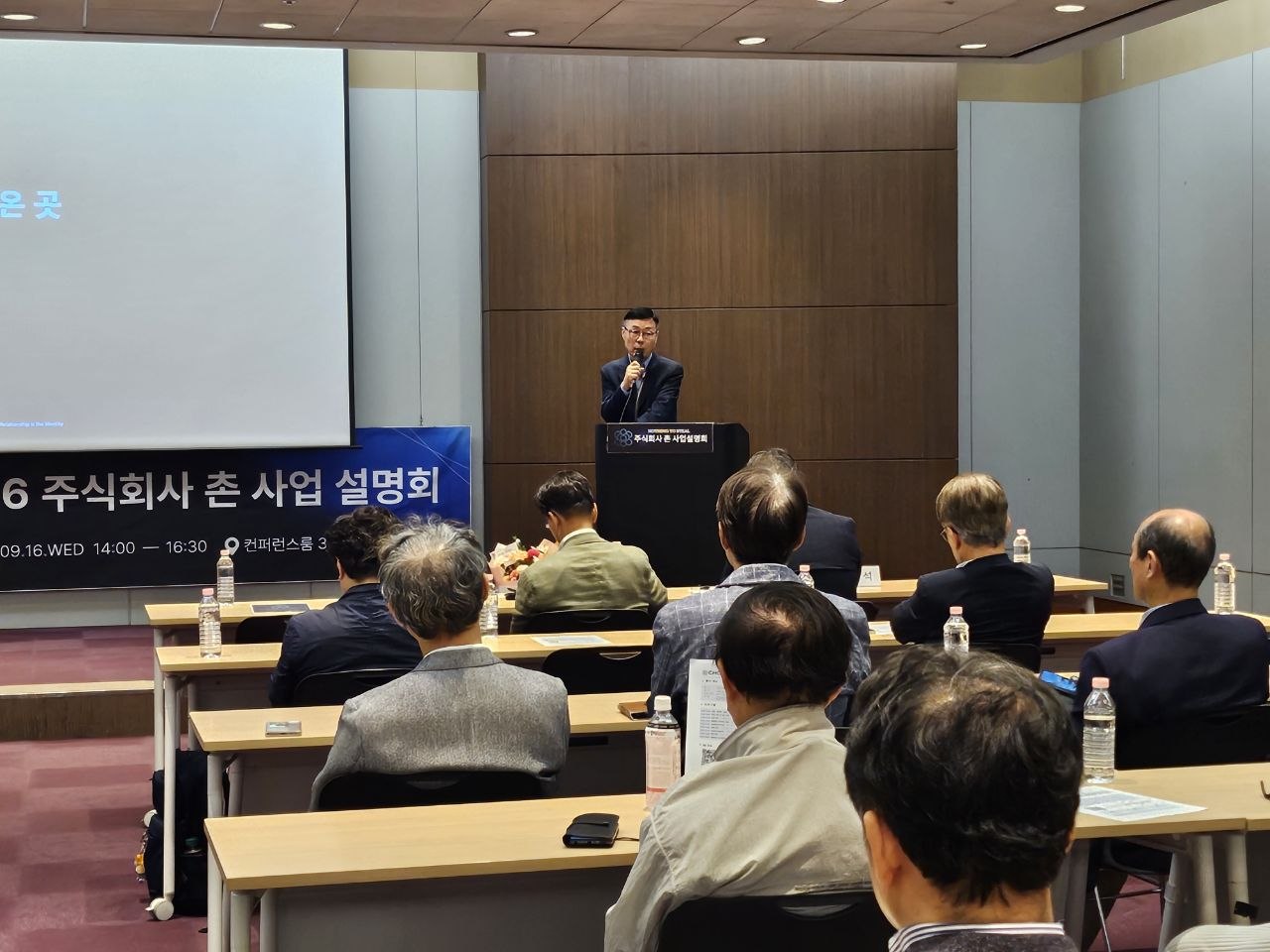
“The relationships and connections between people create countless business opportunities,” Shin said, adding that he has spent roughly six years developing the technology and business model.
The concept draws partly on Korea’s traditional system of documenting family relationships and kinship, but CHON aims to apply the model more broadly to areas including communities, schools, businesses and financial services.
Trust Becomes Scarcer in the AI Era
The company’s pitch comes as rapid advances in generative AI are raising new questions about online identity.
AI tools can now reproduce human voices and faces with increasing accuracy, while autonomous software agents can create accounts, communicate and perform transactions with limited human involvement. That has made identity verification a growing concern for financial institutions, governments and online platforms.
Former Korea Meteorological Administration chief Cho Seok-jun, who opened the event, said the issue resembles a longstanding challenge in weather forecasting and disaster response: information has little value if people cannot determine whether it is trustworthy.
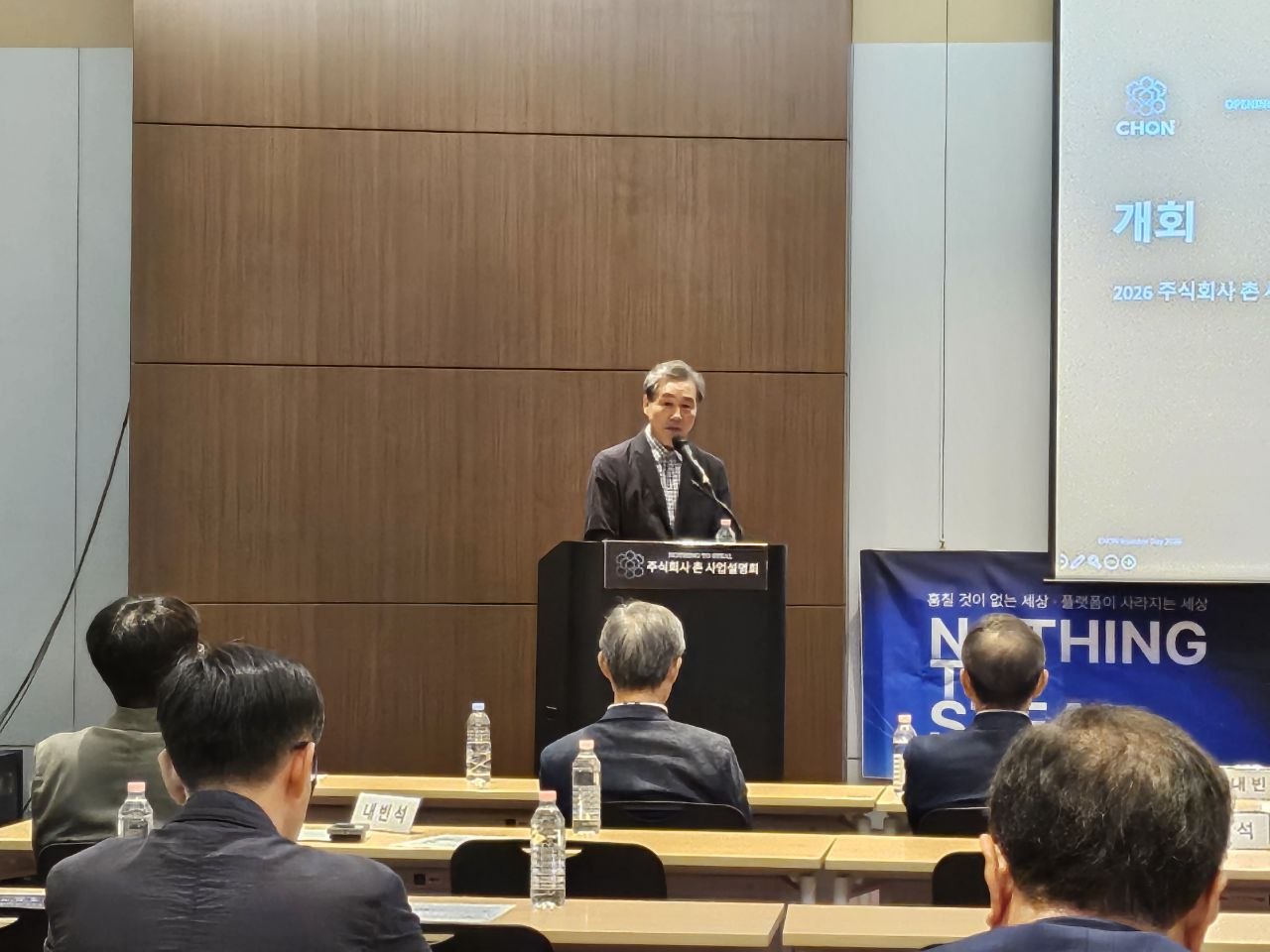
In weather and disaster management, he said, the speed at which reliable information is collected and distributed can directly affect how quickly people respond to an emergency.
“The issue is no longer simply whether information is available,” Cho said. “What matters is whether people can verify that it is real and act on it.”
Cho said decentralized information systems could have applications in localized disaster monitoring and early-warning networks, where relying on a single centralized infrastructure may create vulnerabilities.
Moving Beyond Centralized Identity Databases
CHON’s technology also reflects a broader shift in cybersecurity away from concentrating sensitive information in large central databases.
Oh Jung-keun, a professor who spoke at the event, said conventional systems that store large volumes of identity information on centralized servers can create attractive targets for hackers.
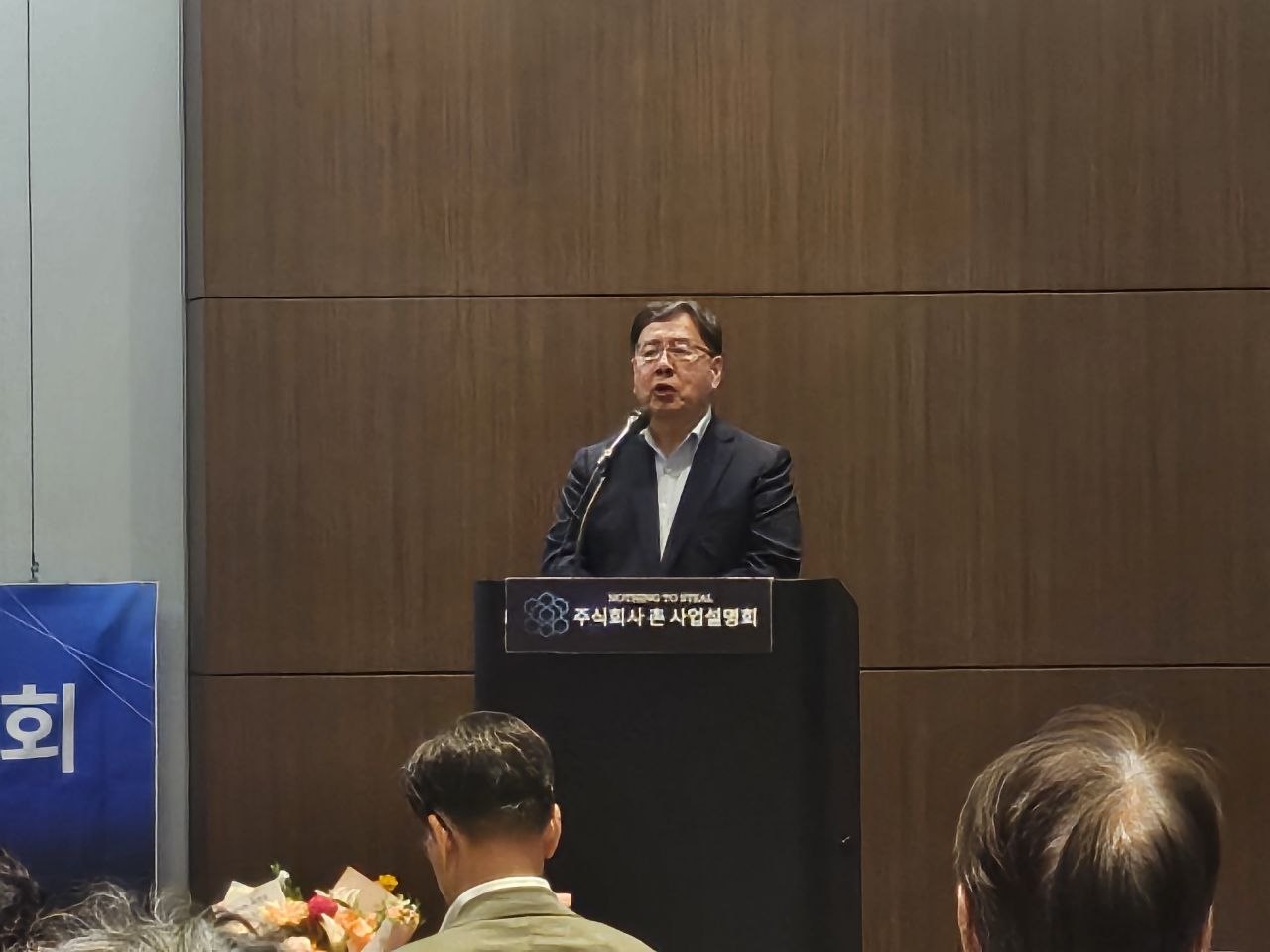
As AI capabilities improve, cyberattack techniques are also becoming more sophisticated, increasing pressure on banks, financial institutions and public agencies to rethink security architecture, he said.
Oh said CHON’s approach could have applications in financial and government systems if it can verify relationships and identities without requiring sensitive information to be concentrated in central repositories.
The company’s technology is based in part on distributed-ledger architecture, seeking to turn verified human relationships into a form of digital trust infrastructure.
Potential use cases extend beyond family networks to alumni groups, corporate customer relationships and other communities where existing connections can help establish identity or credibility.
Turning Connections Into a Business Model
Lee Byung-tae, a professor at the Korea Advanced Institute of Science and Technology, or KAIST, said many successful technology businesses have been built by finding new ways to connect previously fragmented assets or communities.
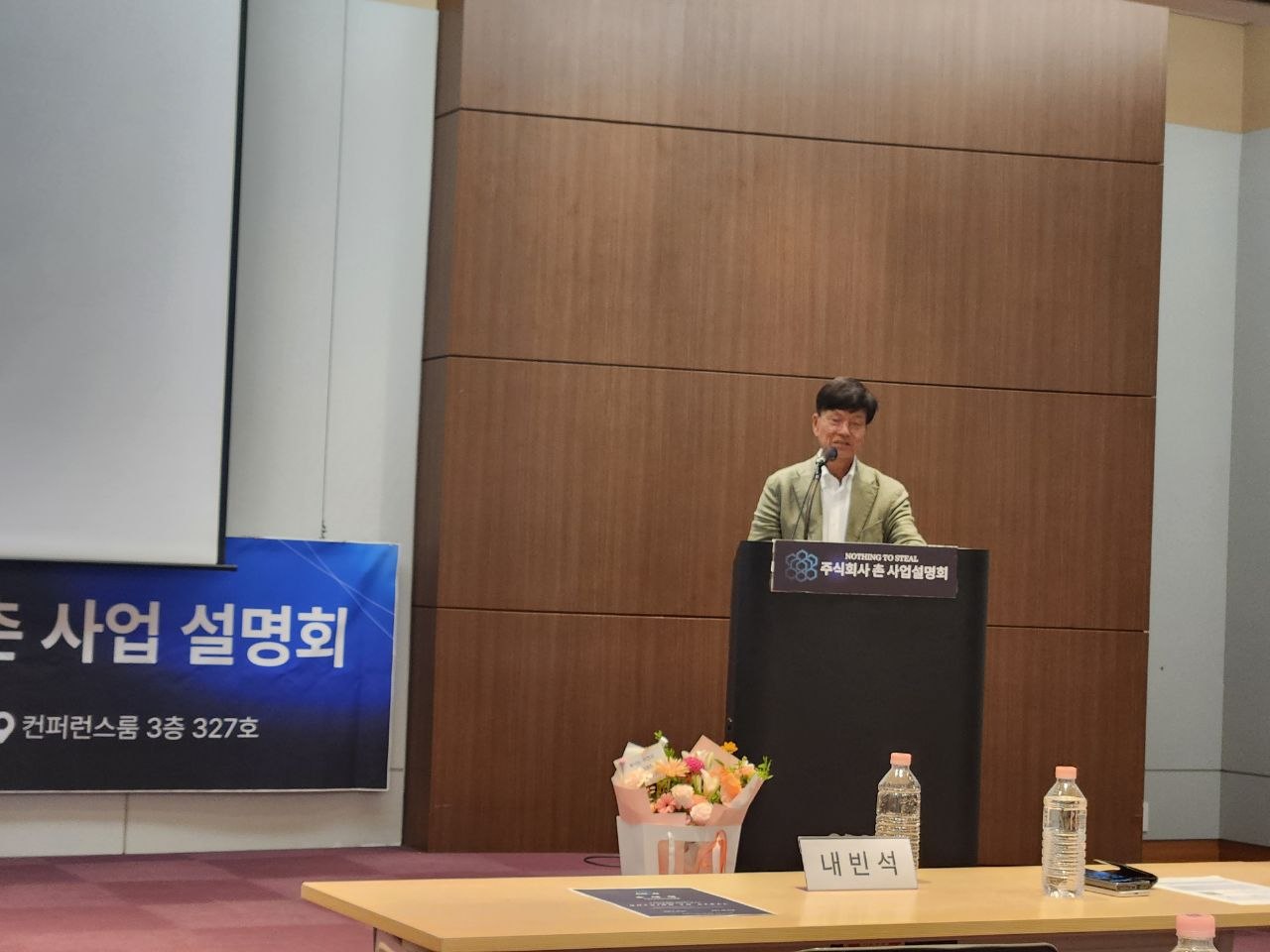
Social platforms connected people around ideas, photographs and videos, while companies such as Airbnb and Uber created markets by connecting unused rooms and vehicles with customers, Lee said.
CHON is applying a similar logic to human relationships themselves, he said.
The challenge will be turning those connections into products that can scale beyond Korea.
Lee said Korean startups have historically faced limitations when they rely too heavily on the domestic market. CHON has outlined plans to pursue overseas expansion following additional fundraising, according to presentations at the event.
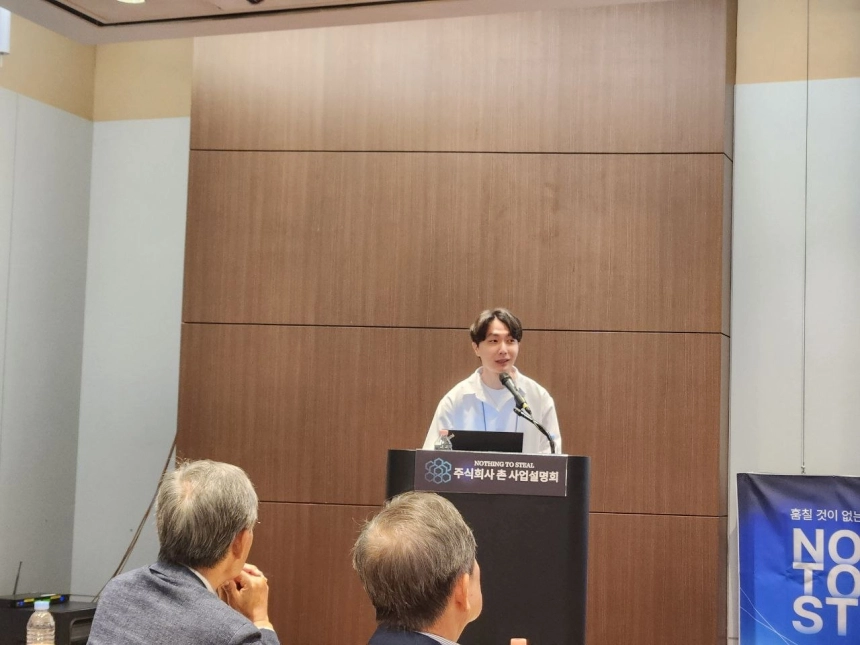
Chief Executive Officer Lee Min-jae also presented the company’s vision for what CHON described as a future in which conventional centralized platforms play a smaller role and individuals interact through more distributed networks.
CHON plans to commercialize its relationship-based identity technology across multiple services and expand into international markets.
The investor event marked a broader public introduction of technology and products that the company has been developing for several years.
Its proposition is built around a simple idea that could become more valuable as machines become harder to distinguish from humans: in an AI-driven digital economy, who you are may increasingly depend on who can verify that they actually know you.


















Comment 0