
 Add as a preferred source on Google
Debt strain points to inflation path as metals and hard assets draw attention
Tavi Costa said U.S. debt and high rates could force policy intervention, with a 75% to 80% chance policymakers choose inflation over deflation. He sees metals and hard assets as potential beneficiaries.

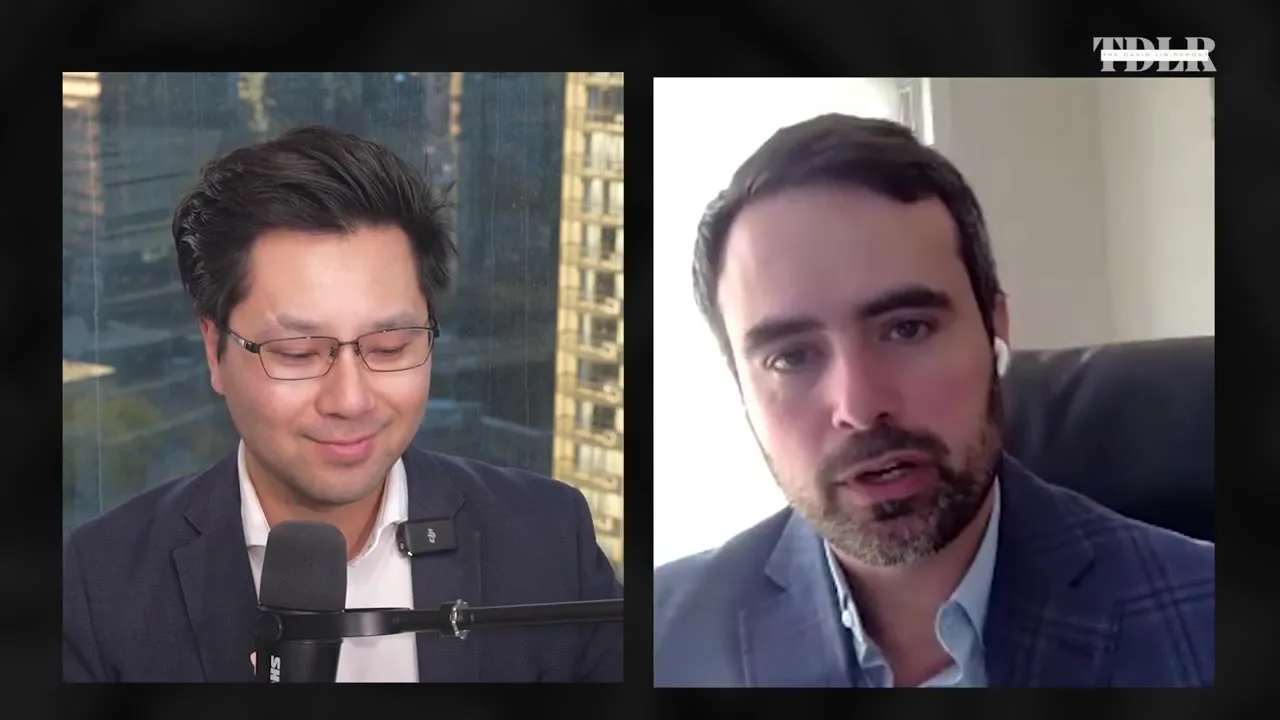
U.S. debt pressure and high interest rates could ultimately lead to policy intervention and renewed inflation pressure, according to Tavi Costa, co-founder and CEO of Azuria Capital. Capital is gradually rotating toward emerging markets and the resource sector, while metals and other hard assets could become key beneficiaries.
In an Oct. 12 interview with David Lin, Costa said the U.S. faces a debt problem similar to the 1940s and said he sees a 75% to 80% chance that policymakers choose to inflate their way out of it.
Capital flows are already moving toward emerging markets and resources, Costa said. Latin American funds and companies have shown clear strength relative to U.S. assets, while Brazilian equities and some emerging-market currencies have also improved in relative performance. He described the moves as signs of smart capital entering the space.
Energy was also cited as an area where inflows have become more visible. Still, Costa said U.S. technology shares and U.S.-based assets remain the largest allocations in global investor portfolios, meaning the rotation is unlikely to be a short-term move and could continue over the next several years to a decade.
Costa said high interest rates are pressuring both the housing market and government finances. He rejected the idea that current rates are simply returning to historically normal levels, saying they are not normal once debt levels are taken into account. He said today’s debt problem is the worst since World War II and that rates are far higher than they were then.
Slowing construction spending and weaker housing-market activity could raise the likelihood of policy intervention, he said. If the government wants to reduce the debt burden through inflation, Costa argued, it cannot leave the housing market under sustained stress. He said intervention could appear within the next 6 to 12 months, creating a favorable backdrop for metals.
Expanded Treasury buybacks and possible efforts to control rates could add to inflation pressure, Costa said. Printing money to buy government debt may lower yields, but suppressed yields could then fuel a larger inflation problem. He said that from a policymaker’s standpoint, inflating out of the problem is easier than deflating out of it.
Costa said an effort to avoid a hard deflationary shock strengthens the case for metals and hard assets. He framed the issue as a policy constraint facing both political parties rather than a partisan question, and said investors need to protect themselves financially through exposure to hard assets such as metals.