
 Add as a preferred source on Google
Nvidia CEO warns export controls could disrupt U.S. technology flywheel
Nvidia CEO Jensen Huang said overly broad export controls could weaken the global customer reach, wealth and R&D capacity that sustain U.S. technological leadership.

The United States should preserve the global cycle linking technology leadership and economic growth rather than rely primarily on tighter export controls to secure its long-term national security and technological edge. Critical technologies may require selective safeguards, but excessive restrictions risk weakening the customer base and research capacity that sustain innovation.
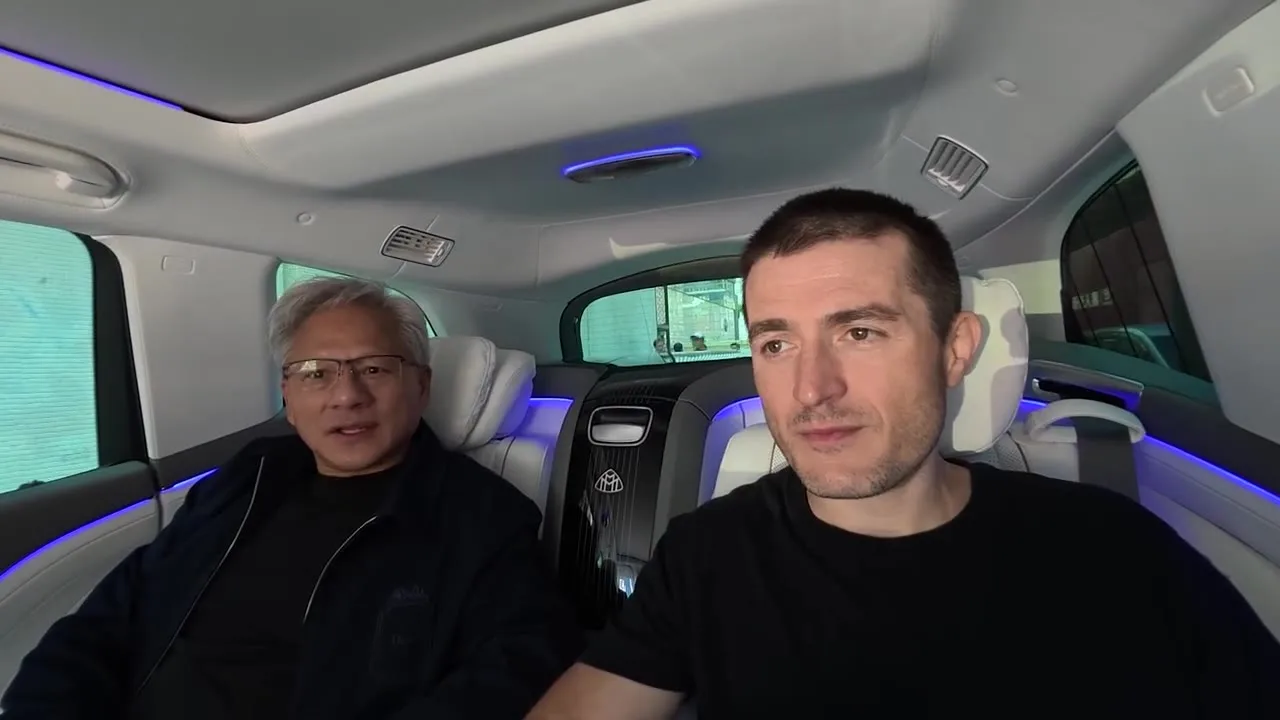
In an Oct. 17 interview with Lex Clips, Nvidia CEO Jensen Huang said the United States should pursue a long-term strategy in which technological leadership and prosperity reinforce each other, rather than focus solely on preventing other countries from accessing its technology.
Huang acknowledged that withholding force-multiplying resources such as rare earths, computer technology and intellectual property can provide a competitive advantage by denying them to others. However, he argued that prosperity is the strongest foundation for long-term national security, domestic stability and social harmony.
America’s military strength rests on its exceptional wealth, which developed alongside its technological capabilities, Huang said. Wealth finances technological progress, while technology creates further wealth. He said a more sophisticated long-term strategy would optimize this flywheel by maintaining both technological and economic leadership.
For technology companies, that cycle begins with customer engagement and an installed base. Greater usage drives consumption and revenue, giving companies the resources to scale their technology faster. “Technology without customers is useless,” Huang said, arguing that U.S. platforms need broad global reach.
He identified English and globally adopted U.S. technology standards as major advantages. American companies can build on domestic technology stacks and standards and deploy their products across much of the world, giving the United States a global flywheel advantage that China does not have. Isolationism could erode that position, he said.
Huang stopped short of calling for unrestricted access to all technology. Countries have a sovereign right to determine how technologies and resources they created should serve their national interests, he said, adding that access to certain capabilities should be managed with extreme selectivity.
Export controls therefore require a balance between protection and expansion. The United States may want to retain its best technology, Huang said, but it also needs the global reach that generates wealth and supports continued research and development. He warned that a flywheel can slow quickly even after decades of growth.
Huang also cautioned against allowing U.S.-China competition to become hostility and conflict. AI is not a single model but a stack spanning hardware, software and energy, with leadership distributed across different regions. Shared technology, universities, scientific collaboration and commercial competition make decoupling and conflict harder, he said, calling for countries to collaborate and compete as friends rather than turn one another into enemies.
Riza Dagoc
Riza Dagoc reports on regulation, investing and the digital-asset business for TokenPost. Send corrections or tips to info@tokenpost.com.