
 Add as a preferred source on Google
US debt interest could reach 4% of GDP as bond markets discipline borrowers
US net interest costs have reached 3.2% of GDP and could rise to 4% by the end of the decade, PIMCO’s Tony Crescenzi said. He expects heavy borrowing to strengthen bond-market discipline.

US debt interest costs could climb to 4% of gross domestic product by the end of the 2020s, strengthening bond investors’ bargaining power and the market discipline imposed on borrowers amid a global borrowing surge.
The rising burden could force the next US president into an unusual policy decision, such as raising taxes or adjusting spending. Competition for capital is also likely to give bond investors greater influence over financing terms.
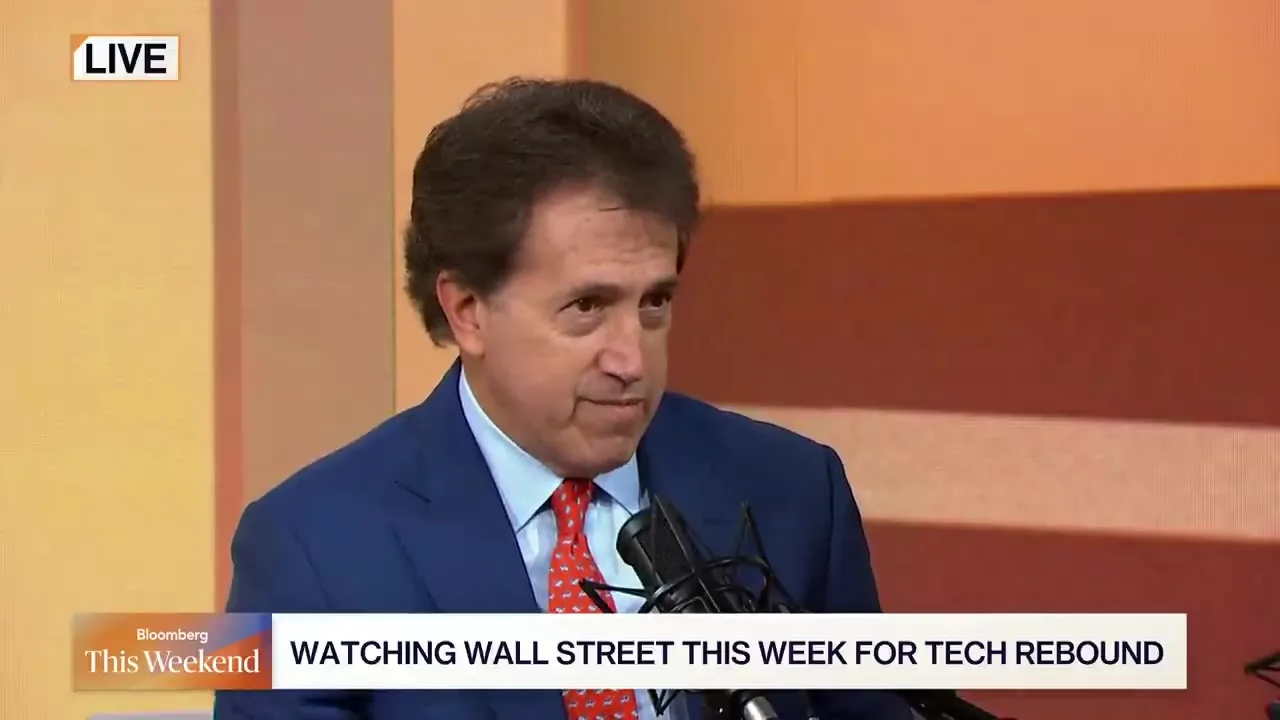
In an Oct. 18 Bloomberg interview, Tony Crescenzi, PIMCO market strategist and portfolio manager, said US net interest costs had reached 3.2% of GDP and could rise to 4% by the end of the decade.
Crescenzi described the situation as a potential “read my lips” moment for the next president, referring to George Bush’s 1988 pledge not to raise taxes and his subsequent decision to do so in 1990.
He said Bush’s tax increase and Bill Clinton’s capital gains tax cut both departed from their parties’ traditional positions, helping lead eventually to four years of budget surpluses by the end of the 1990s. A president taking office in 2029 may similarly need to pursue an unexpected policy to address the fiscal problem, he said.
Higher interest costs could drain money from the private sector and raise borrowing expenses, putting pressure on some companies. For bond investors, however, Crescenzi said the global borrowing binge was allowing them to demand more favorable terms, calling it “a really great time to be a bond investor.”
Asked about CoreWeave’s borrowing burden, he said the bond market was imposing discipline on borrowers whose cash flows were unclear. CoreWeave is not a hyperscaler and is not regarded as one of the strongest credits, making financing more difficult when the revenue available to repay principal and interest is uncertain.
That discipline is not limited to lower-rated companies. Crescenzi cited France, which has a high budget deficit, and the UK in 2022, when an attempt to widen the deficit drove the 10-year government bond yield up 150 basis points within weeks. Even highly rated sovereign borrowers can face market pressure when repayment capacity is questioned, he said.
Crescenzi also offered a positive view of financial markets after the midterm elections. He said the S&P 500 has risen during the one-year period following midterm elections since 1938, arguing that investors favor divided government because it constrains legislation and regulation. Strength in equities could also support credit and broader fixed-income markets, making the coming year potentially favorable for equity, credit and bond investors.
AI-related regulation is more likely to emerge locally than federally, potentially through data-center moratoriums or similar measures, he said. Still, Crescenzi described AI as being in the “top of the first inning,” with companies yet to reach the full application phase in which AI investment raises total factor productivity.
During the coming technology earnings reports, Crescenzi said he would focus less on capital expenditure or valuations than on whether markets embrace positive or negative narratives. A negative AI narrative appears unlikely while the industry remains at an early stage, but if it takes hold, it could further benefit bond yields that he already considers attractive relative to historical levels, expected inflation and anticipated volatility.
Riza Dagoc
Riza Dagoc reports on regulation, investing and the digital-asset business for TokenPost. Send corrections or tips to info@tokenpost.com.