
 Add as a preferred source on Google
AI spending squeezes market liquidity as refinancing demand adds pressure
Michael Howell says AI spending and strong economic activity are draining market liquidity, while refinancing needs add to competition for capital.

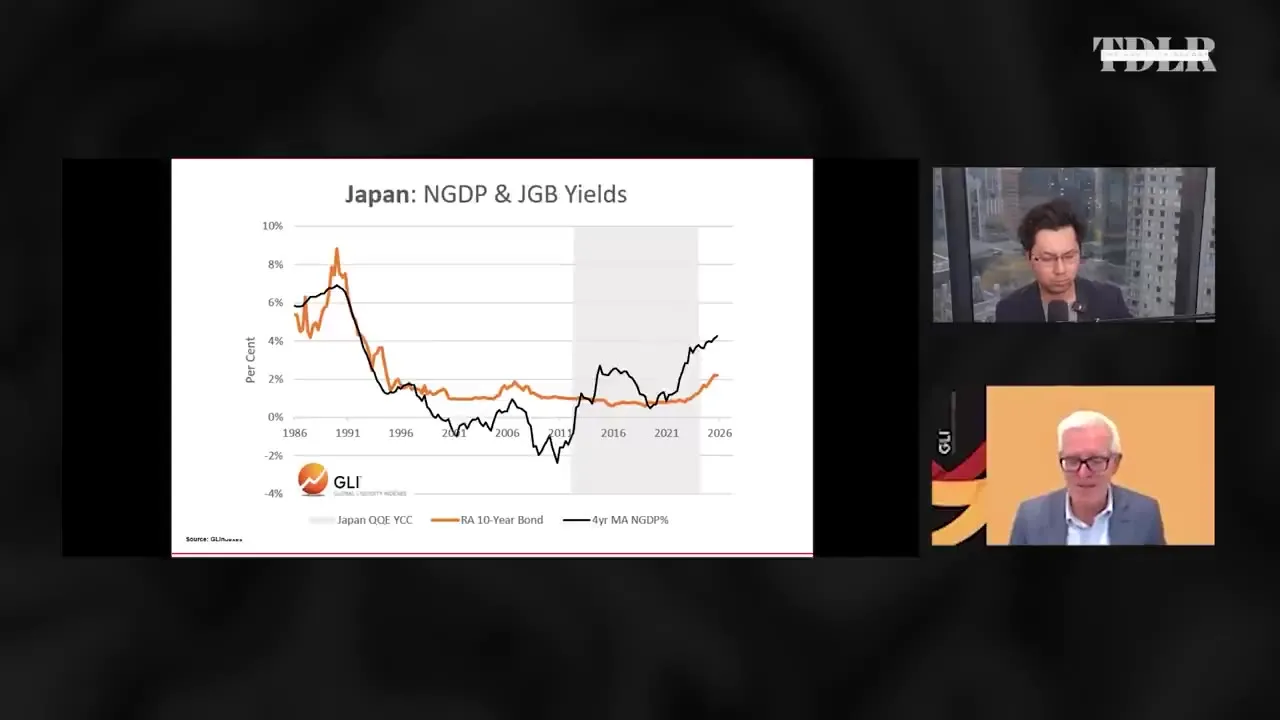
AI capital spending and a strong real economy are absorbing funds that would otherwise support financial markets, potentially deepening the liquidity squeeze. Refinancing existing debt could add to funding pressures across stocks and bonds.
Speaking with David Lin in an interview recorded on October 22, Michael Howell, founder and chief executive of GL Indexes, said rising demand for capital from the real economy was driving the decline in liquidity. He argued that monetary tightening alone could not explain the strain, as AI investment and broader economic activity draw funds away from financial assets.
Howell said money committed to business activity and AI infrastructure leaves less available for traditional asset markets. Such competition for funding is a normal feature of the economic cycle, he said, and diminishing liquidity support can put pressure on share prices.
He offered the same explanation for rising US Treasury yields, rejecting the view that fiscal concerns and increased government borrowing alone were responsible. AI capital spending and the federal deficit were supporting economic momentum, he said, while financing that activity was draining liquidity from markets.
Howell put US nominal GDP growth above 6%. Although that includes inflation, he said, the resulting pace of sales growth still requires financing. In his assessment, financial conditions are becoming more difficult because economic activity is accelerating and consuming capital.
He pointed to a flattening yield curve and widening credit spreads as evidence of declining liquidity. The gap between short- and long-term yields had narrowed despite expectations earlier in the year that it would widen, a development he described as consistent with the liquidity cycle. Wider credit spreads, he added, signal greater difficulty obtaining finance.
New borrowing for AI infrastructure is also coinciding with a wave of debt maturities. Howell estimated that borrowing associated with AI capital spending would reach at least $2 trillion next year. Debt extended during the low-rate COVID years now needs refinancing, adding to competition for funds alongside new government borrowing.
Howell said companies need to generate cash flow to service the debt they accumulate. He cited railways and fiber-optic networks as examples of infrastructure that endured even as some companies that financed its construction failed. The collapse in fiber-optic margins illustrated how useful technology can coexist with severe financial pressure on its investors.
Howell also challenged the idea that central banks were collectively applying aggressive monetary restraint, saying they were trying to avoid excessive tightening even where some restraint remained necessary. He said the cyclical decline in liquidity could continue and intensify market stress. Because liquidity leads the economic cycle, his assessment suggests that current economic strength offers limited reassurance about financial-market conditions.
Riza Dagoc
Riza Dagoc reports on regulation, investing and the digital-asset business for TokenPost. Send corrections or tips to info@tokenpost.com.