
 Add as a preferred source on Google
Divided government after US midterms could curb policy moves but raise foreign conflict risks
Steve Hanke said divided government could restrain legislation after the US midterms, but warned that gridlock and a weaker economy could encourage foreign policy escalation.

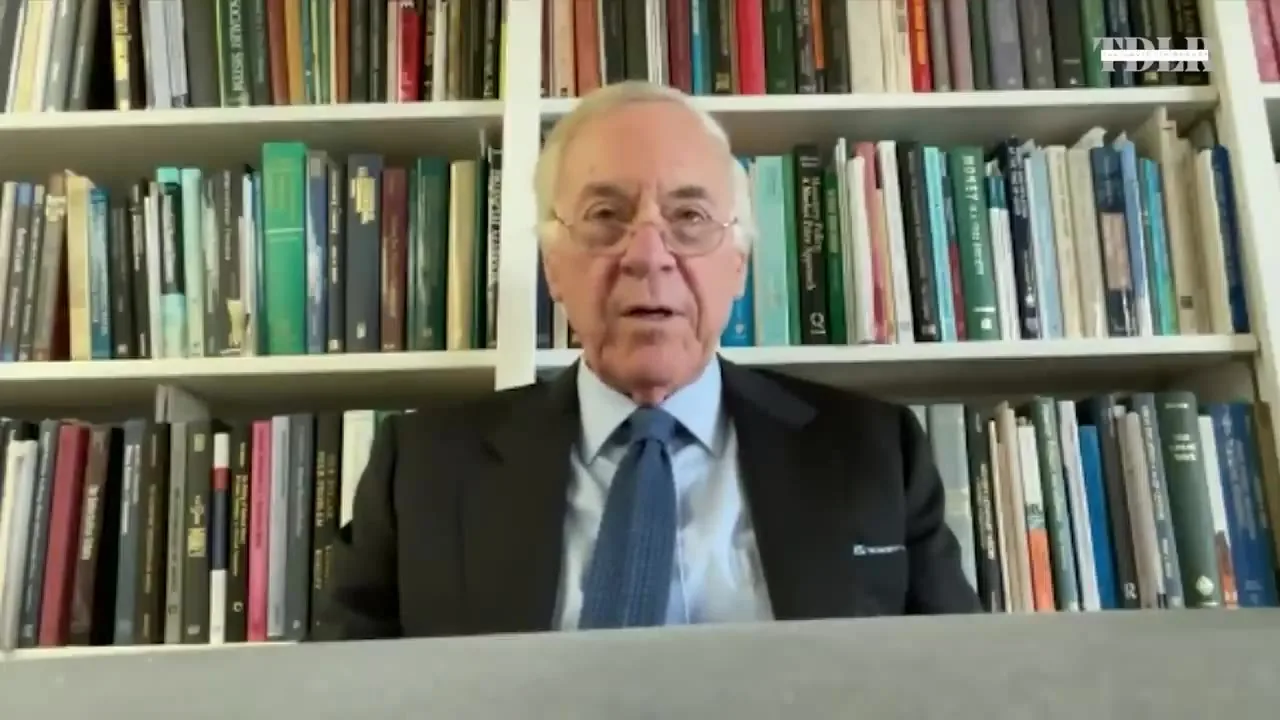
A divided government after the US midterm elections could restrain government intervention by slowing legislation. But political gridlock combined with a weakening economy could also push the president toward foreign policy, increasing the risk of further conflict.
In a November 2 interview with David Lin, Steve Hanke, professor of applied economics at Johns Hopkins University, said a Democratic takeover of both the House and Senate looked increasingly likely. He had previously expected Republicans to lose the House while potentially retaining the Senate, but said he had become more pessimistic about their chances of keeping the Senate.
Hanke welcomed the prospect of divided government because it would slow the White House's policy agenda. Having the presidency and Congress controlled by different parties could limit legislation that expands government intervention, regulation and red tape, he argued. He also said the US economy had performed better under divided government than when one party controlled both branches.
He identified a potential shift toward foreign confrontation as a risk. If legislative paralysis coincided with an economic downturn, the president could turn to foreign policy and draw the US into deeper trouble, Hanke warned. He raised the possibility of escalation in the Middle East.
The specific policy outcome after the election would be difficult to predict, he said. A Democratic-controlled Congress could seek to reverse some existing tax cuts or propose tax increases, but President Trump would likely veto those measures. Repeated vetoes and subsequent negotiations would leave the eventual legislative outcome uncertain.
Hanke pointed to living costs associated with the Iran war as a central source of voter dissatisfaction. Consumers had begun connecting the conflict with gasoline and diesel prices, he said. Grocery costs and inflation excluding food and energy were also straining households, while growing recognition of tariffs as a tax on American consumers was fueling discontent among swing voters.
Uneven wealth gains were another factor. Citing the Federal Reserve's Survey of Consumer Finances released on October 9, Hanke said median family net worth rose 2% from 2022 to 2025, compared with 37% from 2019 to 2022. Over 2022 to 2025, wealth increased 31% for the top 10% and 6% for the bottom 10%, illustrating what he described as a K-shaped economy.
The generational divide was also pronounced. Hanke said net worth increased 37% among people over 75 during the same survey period, while falling 23% among those under 35. Slower wealth accumulation and persistent living costs were directing voter frustration toward the White House, he argued.
Rolling back tariffs could be a positive outcome of divided government, although Hanke did not consider it assured. He also rejected the suggestion that the midterm elections alone would bring consumers near-term relief from oil prices. A change in congressional control, in his assessment, would offer limited immediate relief from living costs.
Riza Dagoc
Riza Dagoc reports on regulation, investing and the digital-asset business for TokenPost. Send corrections or tips to info@tokenpost.com.