
 Add as a preferred source on Google
Falling oil prices could open path to Fed easing, benefiting Bitcoin and gold
Robert Van Botenberg said falling oil prices could ease inflation and support a dovish Fed shift, benefiting Bitcoin and gold. Renewed conflict with Iran could keep policy tight.


Lower oil prices could ease inflation and give the Federal Reserve room to adopt a more dovish stance, supporting Bitcoin and gold. Renewed military conflict with Iran, however, could reverse that backdrop and prolong tight monetary policy.
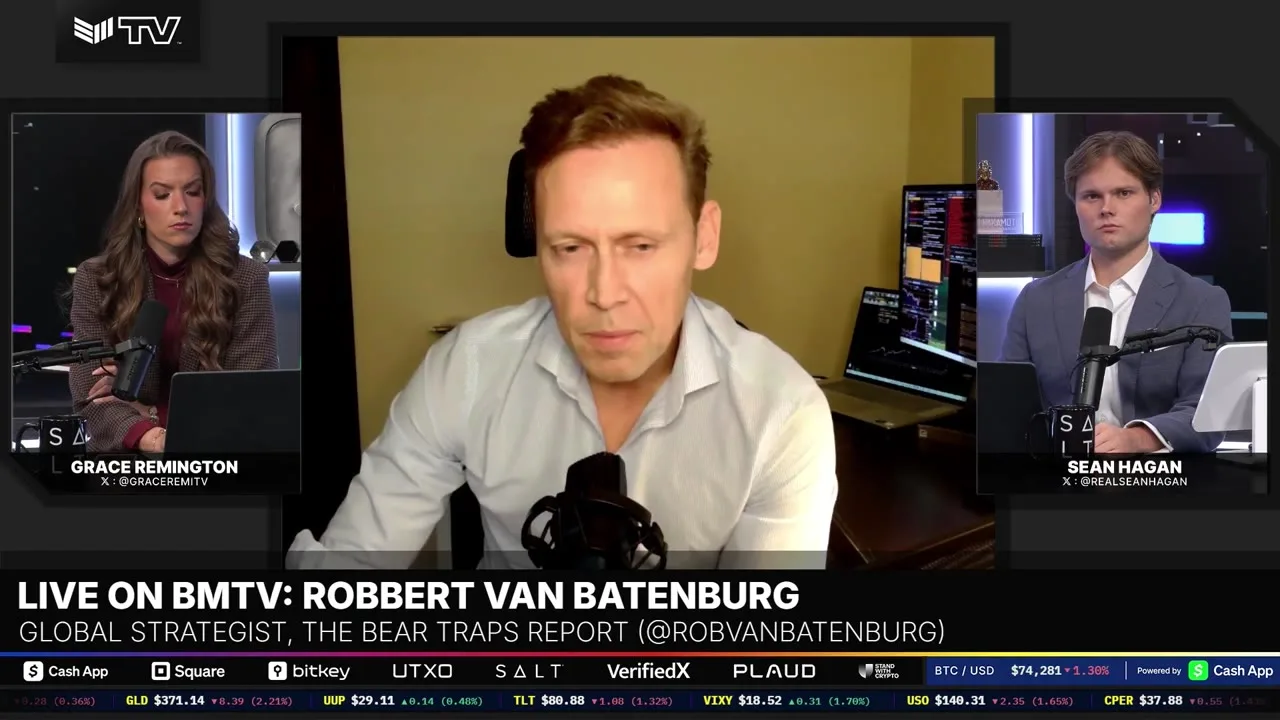
In a Bitcoin Magazine interview on November 10, Robert Van Botenberg, global strategist at the Bear Traps Report, said he leaned toward a gradual easing of tensions rather than an expansion of Donald Trump's confrontation with Iran. He argued that cooling energy prices could create conditions for a shift in Fed policy.
Van Botenberg said gasoline prices had fallen 25% and oil almost 20% since the end of October. Lower petroleum costs could feed through to food and transportation prices, reducing headline inflation into the new year. He noted that US pump prices had declined 5.5% month over month while the consumer price index still showed a 0.7% increase in gasoline prices, illustrating the delay in their inclusion in inflation data.
He also described shelter and owners' equivalent rent measures as lagging indicators. With home sales subdued and house prices showing little movement, he said substantial declines in measures of new rents should gradually filter into core CPI.
A resumption of military conflict would change that assessment, he warned. Further attacks on Iran could disrupt shipping through Hormuz and Bab el-Mandeb, putting pressure on supplies of oil and refined products. Under that scenario, he said, the Fed could raise rates in December and maintain a hawkish stance.
Under a de-escalation scenario, Van Botenberg said oil already in transit and base effects could help bring inflation down. He distinguished some shortages of refined products from the absence of a near-term crude oil shortage. Cooling oil prices and lower inflation in the following year could support Fed easing, benefiting gold, Bitcoin and potentially equities, he said.
He identified US debt-ceiling negotiations as another influence on bond markets. The budget determines permitted government spending, while the debt ceiling limits borrowing to finance it, he explained. If a separate debt-ceiling dispute dragged on, the Treasury could use extraordinary measures for six to seven months. Constraints on net new Treasury issuance during that period could support bonds, he argued.
On political risk, Van Botenberg said the prospect of the Democratic Party's DSA wing winning the 2028 presidential election could provoke concerns about higher taxes and sharply increased spending, potentially triggering a severe equity correction. He argued that fiscal pressures could also weaken bonds' role as a haven, while gold and Bitcoin might attract demand from investors seeking to preserve value and reduce exposure to government control.
Van Botenberg's assessment ultimately hinged on energy prices and the direction of US policy toward Iran. He favored a gradual reduction in tensions, while acknowledging uncertainty over Trump's next steps.
Riza Dagoc
Riza Dagoc reports on regulation, investing and the digital-asset business for TokenPost. Send corrections or tips to info@tokenpost.com.