
 Add as a preferred source on Google
Bitcoin sentiment sinks as rates and AI spending shape the 2027 debate
Joe Carlisari describes deeply depressed Bitcoin sentiment, with interest rates and the returns on AI spending central to the economic debate for 2027.


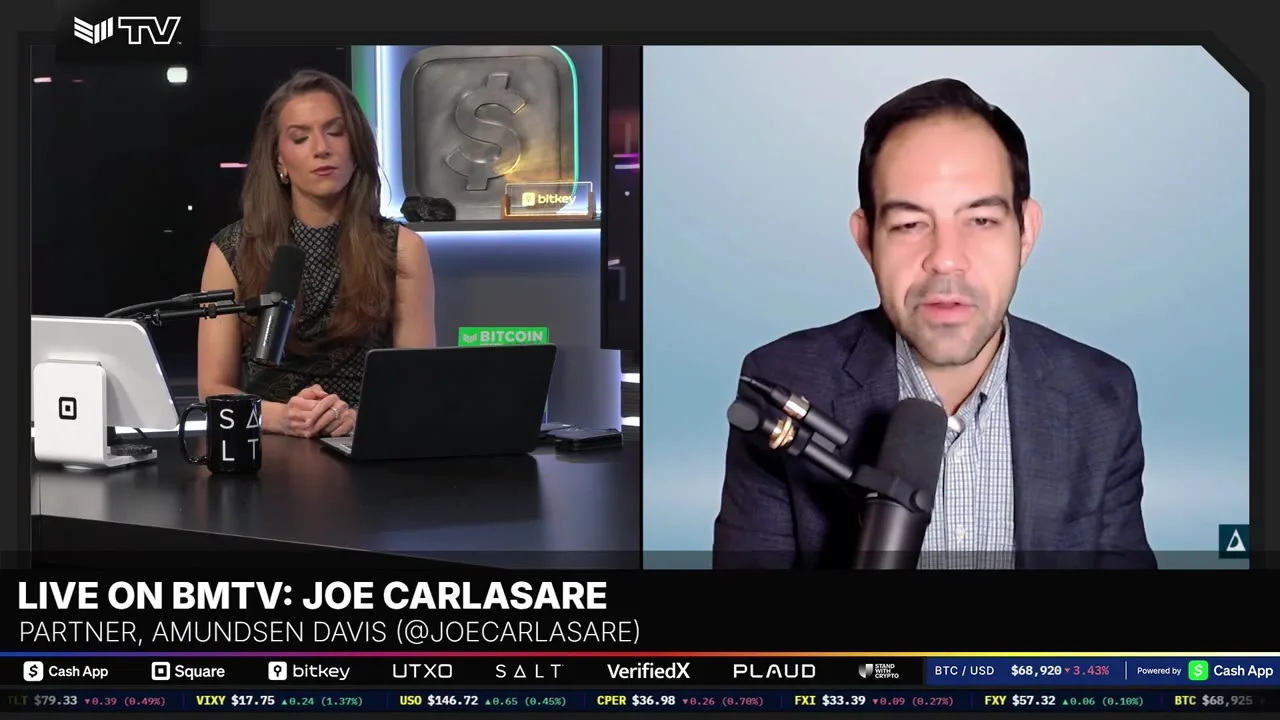
Bitcoin’s depressed sentiment and reduced speculative activity have put market positioning in focus, while the path of interest rates and returns on AI investment remain central to the debate over 2027.
In a Bitcoin Magazine interview on November 13, Joe Carlisari, a partner at Amundsen Davis and author of the Bitcoin thriller Unconfiscatable, described sentiment as among the worst he had experienced. He said speculative money had receded and committed holders accounted for more of the remaining market.
Carlisari attributed some of that weakness to gold and AI stocks drawing away liquidity and investor attention. He described a market with little retail interest and widespread fear on X and other social media, while noting that leadership among assets changes as previously strong trades lose momentum.
He cited Bitcoin’s recovery from its June–July low as an example of how quickly conditions can change. Bitcoin rose from $57,000 to $82,000 in less than 90 days, a move he described as roughly 50%. His broader argument was that shifts in sentiment can bring technical and momentum traders back into the market.
On bond markets, Carlisari said the reason for rising yields mattered. He distinguished concerns over sovereign debt from demand for capital to finance AI infrastructure, stronger growth and pressure from oil and energy prices. He cited the Atlanta Fed’s GDPNow estimate of 3% real growth as evidence supporting his interpretation that investment demand was contributing to higher yields.
He also argued that higher rates affect different parts of the economy unevenly. Housing faces pressure from borrowing costs, while holders of short-term Treasury bills and money market accounts receive more interest income. In his assessment, increased government interest payments provide a channel through which cash reaches the private sector.
Inflation and fiscal spending complicate the monetary policy picture, he said. Carlisari pointed to a recent pattern of cooler autumn inflation readings and stronger readings in January and February, which he said was unsettling investors. With fiscal deficits running at 6%–7% of GDP, he questioned how effectively the Federal Reserve could cool demand without causing disruption and said at least one further rate increase remained possible.
For 2027, he identified the performance of AI investment as a key economic uncertainty. Large capital commitments and expectations for future earnings leave the sector exposed if the investment boom falters. Whether that spending produces sustained growth and profits remains unresolved, he said.
Carlisari also discussed the psychological effects of portfolio concentration. Exposure to several asset classes, he argued, can reduce the pressure investors feel when one holding falls or another market rallies. He expressed a negative view of long-duration bonds.
His closing emphasis was on how fear and attempts to time short-term moves affect decisions. He described investors selling during volatility in the hope of buying back lower, then regretting those decisions. His framework focused on risk tolerance and a five- to 10-year assessment of assets.
Riza Dagoc
Riza Dagoc reports on regulation, investing and the digital-asset business for TokenPost. Send corrections or tips to info@tokenpost.com.