
 Add as a preferred source on Google
Bitcoin selling pressure may be easing as AI profits seek a new home
Lava CEO Shehzan Maredia says much of the selling by miners and large Bitcoin holders has passed, and profits from AI investments could flow into Bitcoin.


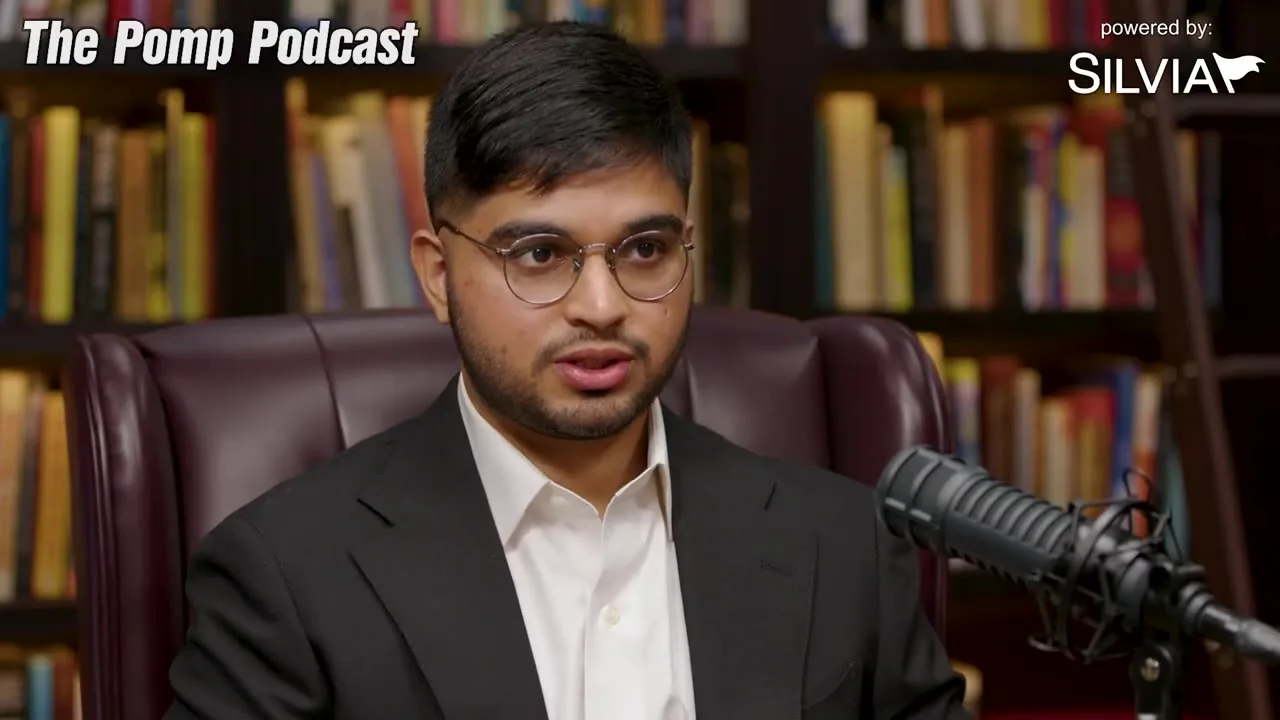
Bitcoin could benefit from reduced selling pressure and a potential return of profits from artificial intelligence investments, according to Lava founder and CEO Shehzan Maredia.
In an interview with Anthony Pompliano on Nov. 17, Maredia said many miners and large holders who sold Bitcoin to invest in AI over the past year had already completed their sales.
He said major miners had sold Bitcoin to invest in data centers, while large holders around the world had also sold to invest in AI. By contrast, he said, retail holders were continuing to buy Bitcoin with a portion of their monthly pay.
Maredia argued that a more dispersed ownership base had made the market healthier. He also suggested that some large holders in China had sold under government pressure, while saying lower concentration was positive for Bitcoin.
As evidence of limited additional selling pressure, he pointed to Bitcoin's muted decline following a major cryptocurrency exchange hack. He said profits moving out of AI could seek a new home in Bitcoin.
Maredia described Bitcoin as oversold but did not expect a tenfold increase in the next year. He said he would prefer stable long-term returns to sharp swings as the market matures.
Addressing concerns that miners' shift toward AI could weaken network security, he said it had opened the market to smaller miners and made mining more decentralized. He acknowledged security risks, including those related to quantum technology, but said Bitcoin had ways to address them and that such concerns had deterred some institutions and new investors.
On the security of individual holdings, he said users and companies both had responsibilities: users must protect their accounts, while companies must provide secure software and security practices.
Maredia said Bitcoin's halving remained significant because it slows the growth of new supply. He added that the halving was only one factor in Bitcoin's prospects, and viewed continued accumulation and long-term holding as favorable to the market.
Riza Dagoc
Riza Dagoc reports on regulation, investing and the digital-asset business for TokenPost. Send corrections or tips to info@tokenpost.com.