
 Add as a preferred source on Google
AI investment fears drive market selloff as Fed tightening comes into question
Dean Curnutt said a deepening AI-led selloff could force the Fed to retreat from tightening. He pointed to short-dated U.S. Treasuries as a way to navigate volatility and potential rate cuts.

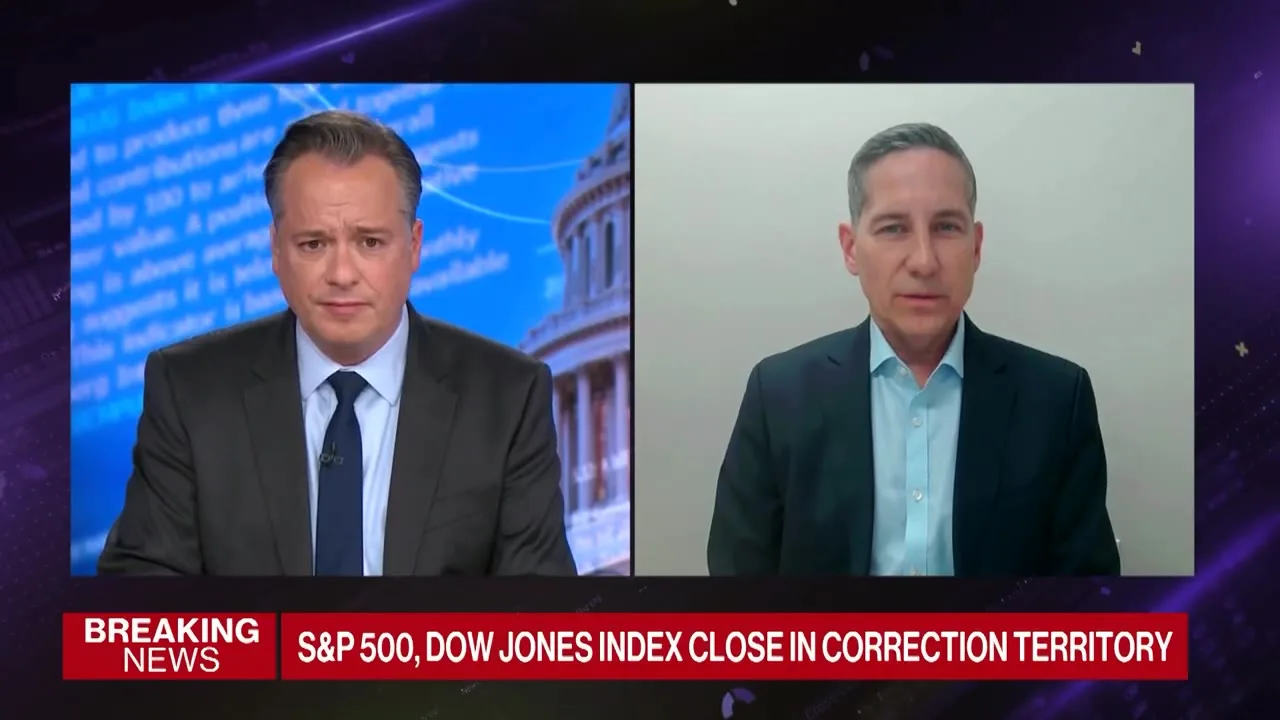
A selloff driven by concerns about AI investment could force the Federal Reserve to retreat from tightening, while short-dated U.S. Treasuries could offer a way to navigate market volatility and the possibility of lower rates.
In a Bloomberg interview on November 21, Dean Curnutt, founder and CEO of Macro Risk Advisors, said the Fed could lower rates to support financial conditions if risk aversion intensifies.
Curnutt said simultaneous tightening by the Fed and Nvidia, which he described as the central bank of AI, would put pressure on the broader market. He said the effect on the real economy would also bear watching if Nvidia could no longer deploy capital at the same pace.
Inflation of 3.7% and 66 months above the Fed's target make the central bank's decision difficult, he said. Curnutt said the Fed had raised rates only once with the VIX volatility index around 30, in June 2022, when it had fallen so far behind on inflation that it had little choice.
He pointed to possible opposition to data centers following the election and crowded market positioning as factors in the selloff. Leveraged hedge funds have built similar long and short positions, making unwinds painful when risk limits are reached, he said. The market is undergoing a deleveraging as it seeks a new equilibrium, he added.
With the VIX closing at 36, Curnutt said historical patterns suggested the odds of it falling below 30 within two weeks were about 10 times greater than those of it rising above 40. A sharp bout of risk aversion can clear the way for fresh capital to enter at more realistic prices, he said.
He also warned of further downside because AI investment and the real economy are closely linked. The concentration of 35% of the index in eight stocks mirrors an imbalance in capital spending, he said, adding that a slowdown in AI funding and investment could drive markets lower.
Curnutt pointed to the U.S. two-year Treasury note, yielding 4.6%, as one possible response. He acknowledged that inflation could push yields higher, but said a Fed rate cut prompted by worsening risk aversion could produce capital gains alongside interest income.
Riza Dagoc
Riza Dagoc reports on regulation, investing and the digital-asset business for TokenPost. Send corrections or tips to info@tokenpost.com.