
 Add as a preferred source on Google
German industrial base under strain as economist warns over energy transition
Economist Max Otte warned that energy and financial policy changes have weakened Germany’s industrial base, with potential consequences for the European Union.

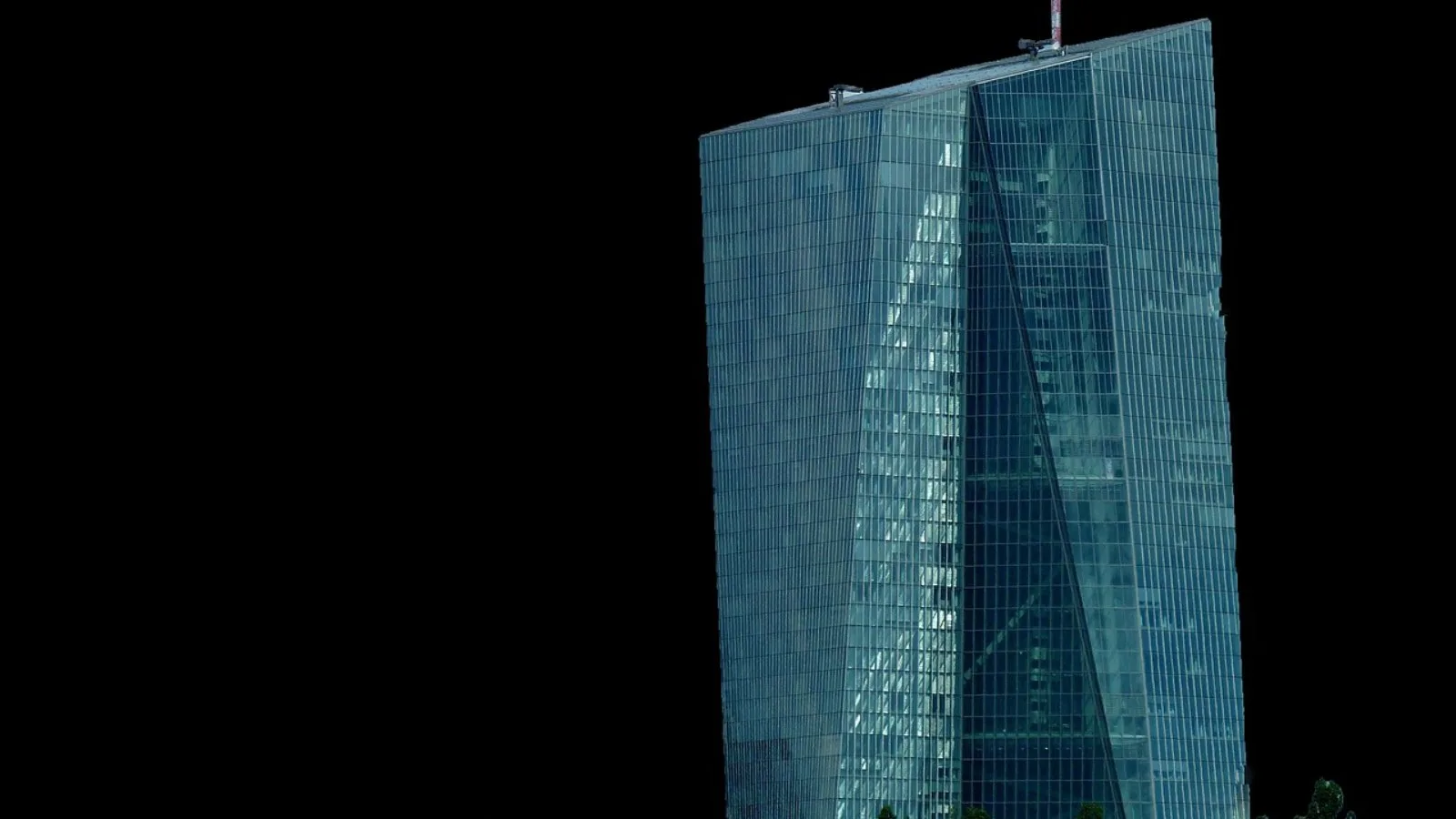
Germany’s industrial base faces a severe threat from changes to energy and financial policy, economist Max Otte said, warning that weakness in Europe’s largest industrial economy could also put pressure on the European Union.
Speaking in an interview on Mario Nawfal’s X account on November 28, Otte said Germany was losing its industrial foundations after years of policy changes. He described the outlook for the country as bleak.
Otte said industries including machine tools, chemicals, cars, railways and optical technologies had formed the core of the German economy. These industries reinforced one another, he said, and depended on access to energy and engineers.
He identified the energy transition launched in 2011 as a major factor behind the industrial decline. The move away from nuclear power toward renewable energy threatened the supply needed by industry, he argued.
Changes to financial rules added to the strain, Otte said. Germany had relied on a banking and credit-based system, but began adopting U.S.-style accounting rules oriented toward capital markets in the early 2000s. He compared the shift to forcing a soccer team to play American football.
Otte said he was surprised the German economy had held up for so long but expected a severe downturn. He argued that the European Union, which he described as heavily dependent on Germany, could struggle to survive in its current form.
On the euro, Otte said he had viewed the currency as structurally flawed from the outset and argued that extensive state intervention had kept it in place.
Riza Dagoc
Riza Dagoc reports on regulation, investing and the digital-asset business for TokenPost. Send corrections or tips to info@tokenpost.com.