
 Add as a preferred source on Google
US-China rivalry seen persisting as Europe’s influence weakens
Economist Daniel Lecaille expects US-China technology tensions to persist alongside cooperation. He says Europe has lost influence and lacks a unified voice in major decisions.


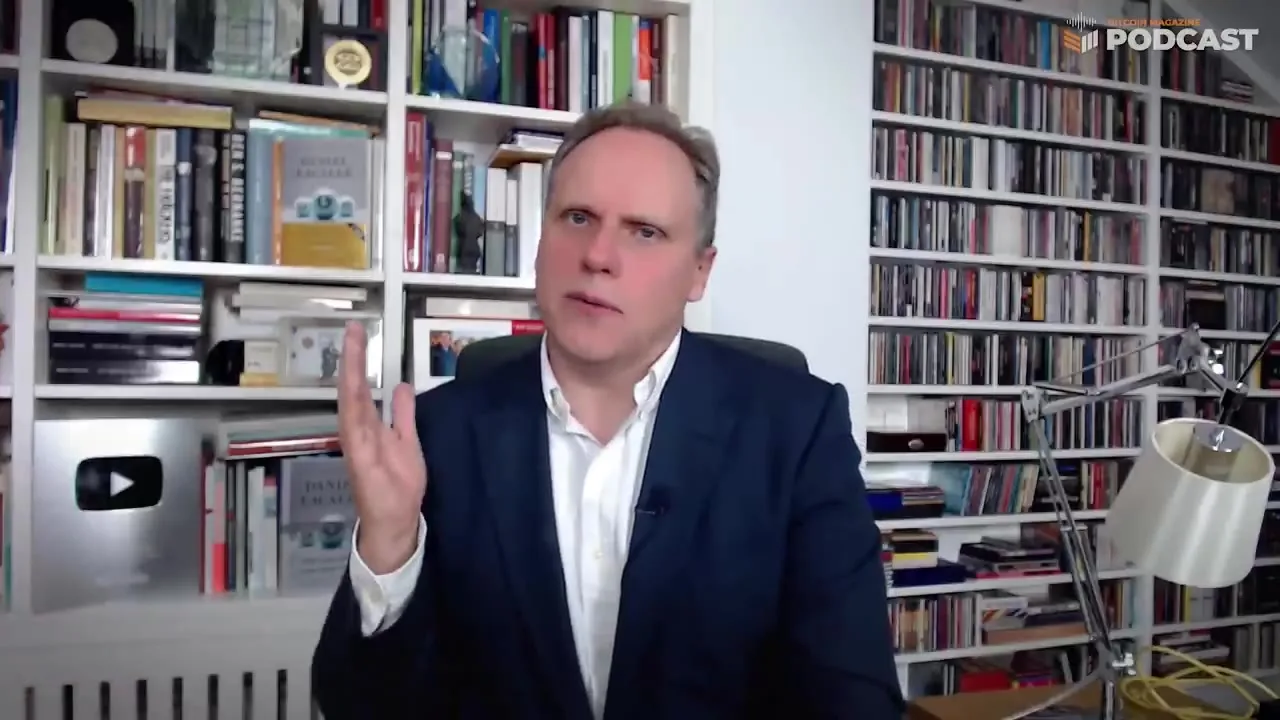
The United States and China are likely to remain locked in a mix of competition and cooperation over technology, while Europe’s influence in energy and technology has diminished, according to economist Daniel Lecaille.
In a Bitcoin Magazine interview on November 29, Lecaille, chief economist at Spain-based wealth advisory and investment banking firm Tressys, said the two powers would have to work together even as they defend their national interests.
He viewed the meeting between the United States, China and Russia as a positive step for reducing geopolitical risk, while saying it left the underlying landscape of trade, sanctions and US-China technology rivalry largely unchanged.
In technology, Lecaille said both countries would seek cooperation without surrendering their respective strengths. China has a strong technology sector and AI capabilities, he said, but lacks the reach of US companies to billions of customers. The United States, meanwhile, faces concerns over Taiwan and rare earths.
Lecaille described the relationship as one in which the two countries compete while benefiting from substantial synergies. He expects tensions over national security and technology leadership to persist, with no improvement in the relationship in prospect.
Taiwan’s strategic importance could change as production expands elsewhere and US dependence on the island declines, he said. Such a shift would be more likely to unfold over the coming years than in a matter of months.
Lecaille attributed the European Union’s weaker position to a lack of growth, diminished energy and technology leadership, and the absence of a unified voice. The United States would remain an important partner, he said, but Washington was frustrated that the bloc sought a role in major decisions without demonstrating clear leadership.
He also argued that the EU’s support for Ukraine sat uneasily with its approach to China, a strategic partner of Russia. Europe’s representation was unclear, he said, making it difficult to identify who spoke for the bloc.
Riza Dagoc
Riza Dagoc reports on regulation, investing and the digital-asset business for TokenPost. Send corrections or tips to info@tokenpost.com.