

 News
News  Coin Information
  About us
  Customer Service


 Add as a preferred source on Google

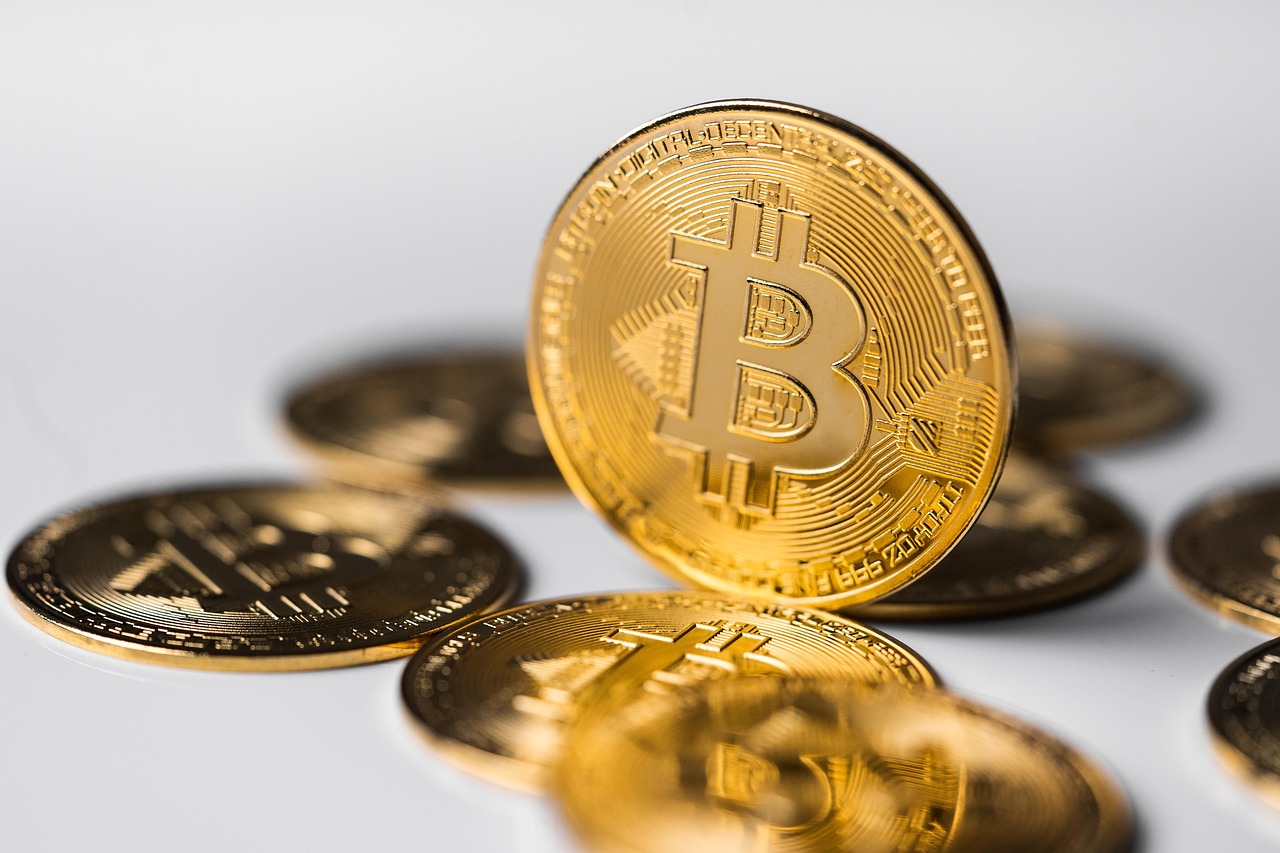
Bitcoin (BTC) retreated to around $92,120 on Thursday after briefly climbing toward $94,000 overnight, extending the week’s volatile and choppy price action. The pullback comes after dramatic swings earlier in the week, yet the market’s overall structure remains intact, with BTC still trading comfortably above the recently established $85,000 support level. Ethereum (ETH) held firmer than most major assets, slipping just 0.7% to trade above $3,100, while several altcoins—including XRP, Hedera (HBAR), Bitcoin Cash (BCH) and Zcash (ZEC)—declined between 4% and 5%. The broader CoinDesk 20 Index also moved 2% lower as liquidity continued to thin heading into year-end.
Market participants appear to be settling into a holding pattern after this week’s turbulence. According to Paul Howard, senior director at Wincent, cryptocurrency prices remain heavily influenced by global macroeconomic trends, especially during historically low-liquidity periods like December. Howard noted that BTC has maintained a higher floor near $85,000 over the past week, suggesting resilience despite the recent volatility. In the absence of fresh macro catalysts, he expects bitcoin to trade within the $85,000–$95,000 range, with the possibility of altcoins outperforming due to heightened volatility and reduced liquidity—conditions that often favor smaller-cap assets.
On the macro front, investor attention is shifting toward central bank decisions, particularly the upcoming Bank of Japan (BoJ) announcement. Mark Connors, founder and chief macro strategist at Risk Dimensions, highlighted the BoJ’s rate call as the most significant event of the month. The decision will influence the future of the yen-funded carry trade, a strategy that impacts global risk appetite. Connors anticipates the BoJ will keep rates unchanged, a move that could renew demand for risk assets and potentially boost equities, bitcoin and even gold as December unfolds.
















Comment 0