Hormuz Traffic Falls 80% as Energy Supply Risk Rises
Three observable commodity vessels crossed the waterway in the latest 24-hour period, including one Panamax oil tanker, versus a 10-day average of about 15.

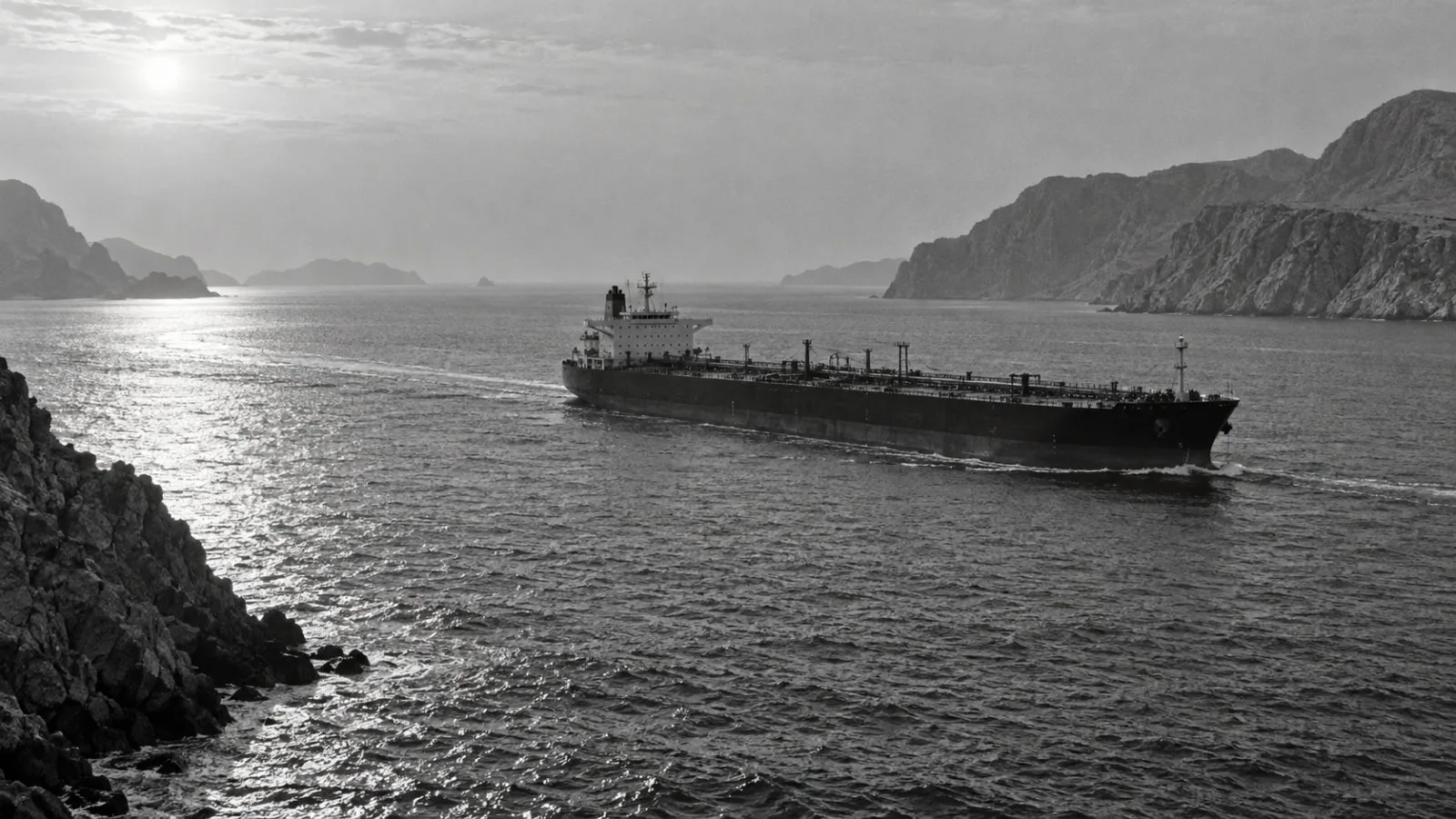
Traffic through the Strait of Hormuz fell to three observable commodity-vessel crossings in the latest 24-hour period, an 80% drop from its 10-day average that adds to energy-supply risk for global markets.
The count declined from four vessels the previous day and included one Panamax oil tanker. The latest figure compares with roughly 15 commodity-vessel transits per day over the past 10 days.
The tally covers vessels visible through automatic identification systems. Ships that disable those systems are not included, so the observable count may not represent every movement through the waterway.
The decline comes as U.S.-Iran diplomatic contacts continue around the United Nations General Assembly in New York. No agreement to reopen the Strait of Hormuz has been confirmed.
The waterway is a major route for global energy shipments. Prolonged disruption could increase oil-market volatility and weigh on risk assets, including crypto, as markets assess inflation, interest rates and geopolitical risk.