Oil Flows Through Hormuz Double to Estimated 13 Million Barrels a Day
Crude flows past the U.S. blockade line reached an estimated 13 million barrels per day on Sept. 23, while President Donald Trump reportedly rejected Iran’s seven-day reopening proposal.

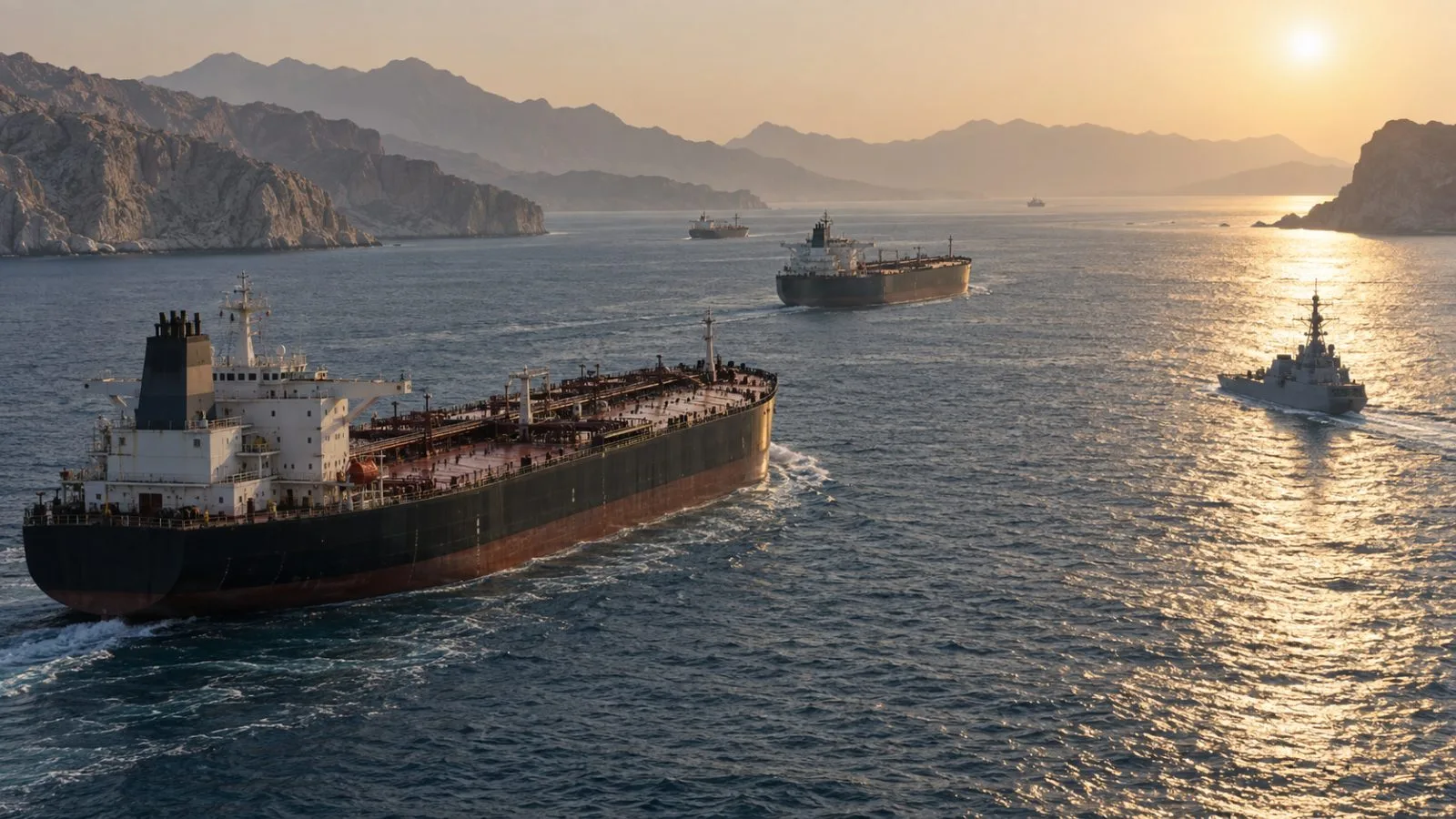
Crude flows past the U.S. blockade line reached an estimated 13 million barrels per day on Sept. 23, while President Donald Trump reportedly rejected Iran’s seven-day proposal to reopen the Strait of Hormuz and resume nuclear talks.
The 13 million-barrel figure was double the level recorded less than a month earlier. A separate seven-day average put oil clearing the Strait of Hormuz at about 13.5 million barrels per day, measuring a broader flow than the blockade-line estimate.
Daytime tanker transits also increased, with reported assistance from U.S. Central Command. Earlier U.S. military-guided passages took place at night to reduce ships’ exposure to the risks of Iranian missiles and drones, limiting the number of vessels able to move through the waterway.
Saudi Arabia resumed some Persian Gulf shipments after previously routing exports through the East-West Pipeline and Red Sea ports. Tanker traffic remained below prewar levels.
The proposal Trump reportedly rejected would have lifted the U.S. naval blockade, unfrozen Iranian assets and ended sanctions on Iranian oil exports. Iran would have reopened the strait and resumed nuclear negotiations under the seven-day framework.
Trump spoke outside the White House at 3:40 p.m. ET (19:40 UTC) Saturday, Sept. 26. He said Iran wanted a deal and added, “I’d like to make a deal, too. But that deal would not be acceptable.”
The developments follow Trump’s reported rejection of Iran’s proposal to reopen the Strait of Hormuz, leaving the waterway’s partial closure and the broader U.S.-Iran standoff unresolved.