
 Add as a preferred source on Google
Tanker Crews Switch Off Lights as Hormuz Voyages Face Attack Risk
Vessels are following U.S. Navy-provided routes, limiting communications and preparing for emergencies as attacks threaten Gulf energy shipments.

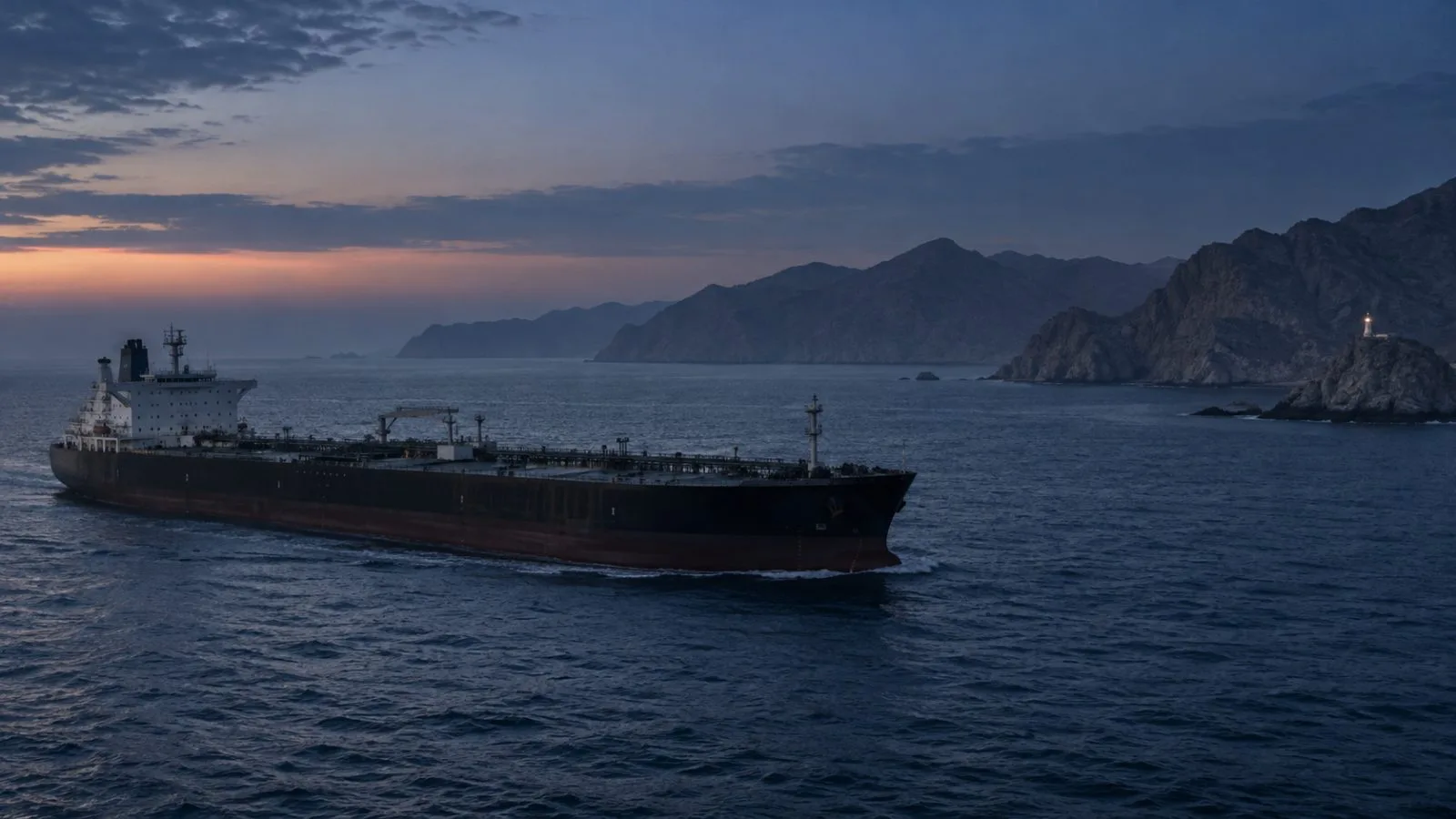
Tanker crews are switching off navigation lights and Automatic Identification System transponders while limiting radio and phone use as attacks threaten commercial energy shipments through the Strait of Hormuz.
Vessels follow U.S. Navy-provided routes and designated waypoints, often staying close to the coastline where waters remain deep enough for large tankers. Bridge crews have increased watchkeeping, with some ships operating only one radar and checking in with the U.S. Navy every 30 minutes.
Crews also keep pumps running and hoses ready for emergencies. Sandbags are used to reinforce vulnerable sections of ships against possible drone or missile attacks.
A Philippines-based tanker captain described navigating without standard lighting while visually tracking Oman’s coastline and lighthouses. "I’m just lucky because I still remember the traditional navigation, the old school," the captain said.
Radio silence has been interrupted by increased bridge-watch activity as additional crew members monitor the waterway for threats. A tanker was struck by multiple projectiles Wednesday, Oct. 7, about 51 nautical miles north of Qatar.
Commercial traffic is still moving through the strait, including energy shipments carrying 20 million barrels of crude oil. Some cargoes are later transferred between ships in safer waters, with government shuttle vessels moving through the strait with their transponders off before offloading cargo onto larger tankers bound for buyers in Asia and elsewhere.
Shipowners have offered substantially higher compensation for the dangerous voyages, including as much as six additional months of pay for some Hormuz shuttle runs.
The risks have also pushed up crude tanker rates. Brent crude climbed above $100 a barrel as tanker incidents heightened supply concerns.
Enna Lee
ReporterEnna Lee reports on investing and digital-asset markets for TokenPost. Send corrections or tips to info@tokenpost.com.