
 Add as a preferred source on Google
Tanker Attacks Raise Strait of Hormuz Supply Risks as IEA Urges Diesel Releases
Two tankers were struck on Oct. 10–11 as attacks on civilian and energy infrastructure in Saudi Arabia renewed concerns about regional supplies.

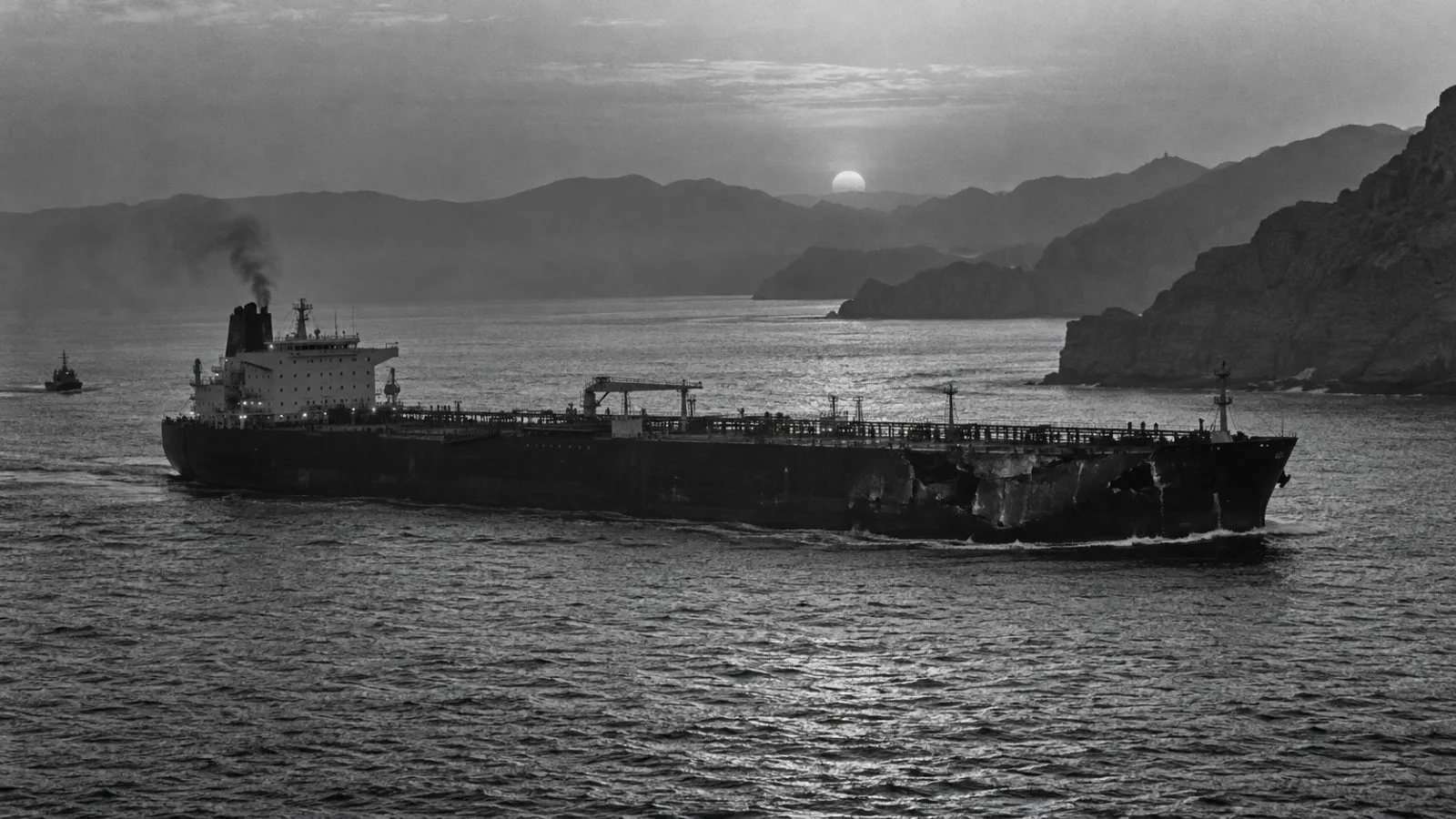
Two outbound tankers were struck by unidentified projectiles inside the Strait of Hormuz on Oct. 10–11, while the International Energy Agency urged faster diesel-stock releases as attacks on civilian and energy infrastructure in Saudi Arabia renewed concerns about energy supplies.
A tanker struck on Oct. 11 was hit on its port side inside the strait. The crew was safe, no environmental impact had been reported at the time, and authorities were investigating.
A separate tanker was hit by an unknown projectile on Oct. 10, causing a fire. The crew was reported safe, while damage and environmental effects were initially unknown.
The incidents came as Saudi Arabia’s General Authority of Civil Aviation said King Khalid International Airport in Riyadh was attacked again on Oct. 11. The statement, issued at 12:37 p.m. ET (16:37 UTC), said the attack caused injuries and that damage and safety inspections were underway.
The IEA said the March 2026 emergency oil-stock release remains underway. Members that have not completed their pledges were urged to accelerate deliveries, with diesel prioritized. Members that have completed their pledges were asked to assess whether additional diesel releases were needed.
Approximately 325 million barrels had been released as of Oct. 7 under the March collective action. Completing the remaining pledges could add approximately 100 million barrels to the market.
“Current market conditions merit immediate attention and can best be managed through continued cooperation among IEA Members,” IEA Executive Director Fatih Birol said.
The Strait of Hormuz is a key maritime route for Middle Eastern energy exports. Disruptions affecting tanker traffic can raise concerns about crude and refined-product supplies.
The incidents add to elevated maritime risk in the Strait of Hormuz, where tanker attacks have reached a wartime high. The cause of the latest incidents and the identity of those responsible were not established.
Enna Lee
ReporterEnna Lee reports on investing and digital-asset markets for TokenPost. Send corrections or tips to info@tokenpost.com.