
 Add as a preferred source on Google
European Gas Prices Reach Highest Since December 2022 as Persian Gulf LNG Flows Lag
EU storage was 74.02% full at 12 a.m. ET (04:00 UTC) Oct. 15, below its five-year average. Europe received less than 10% of LNG that crossed Hormuz in 2025.

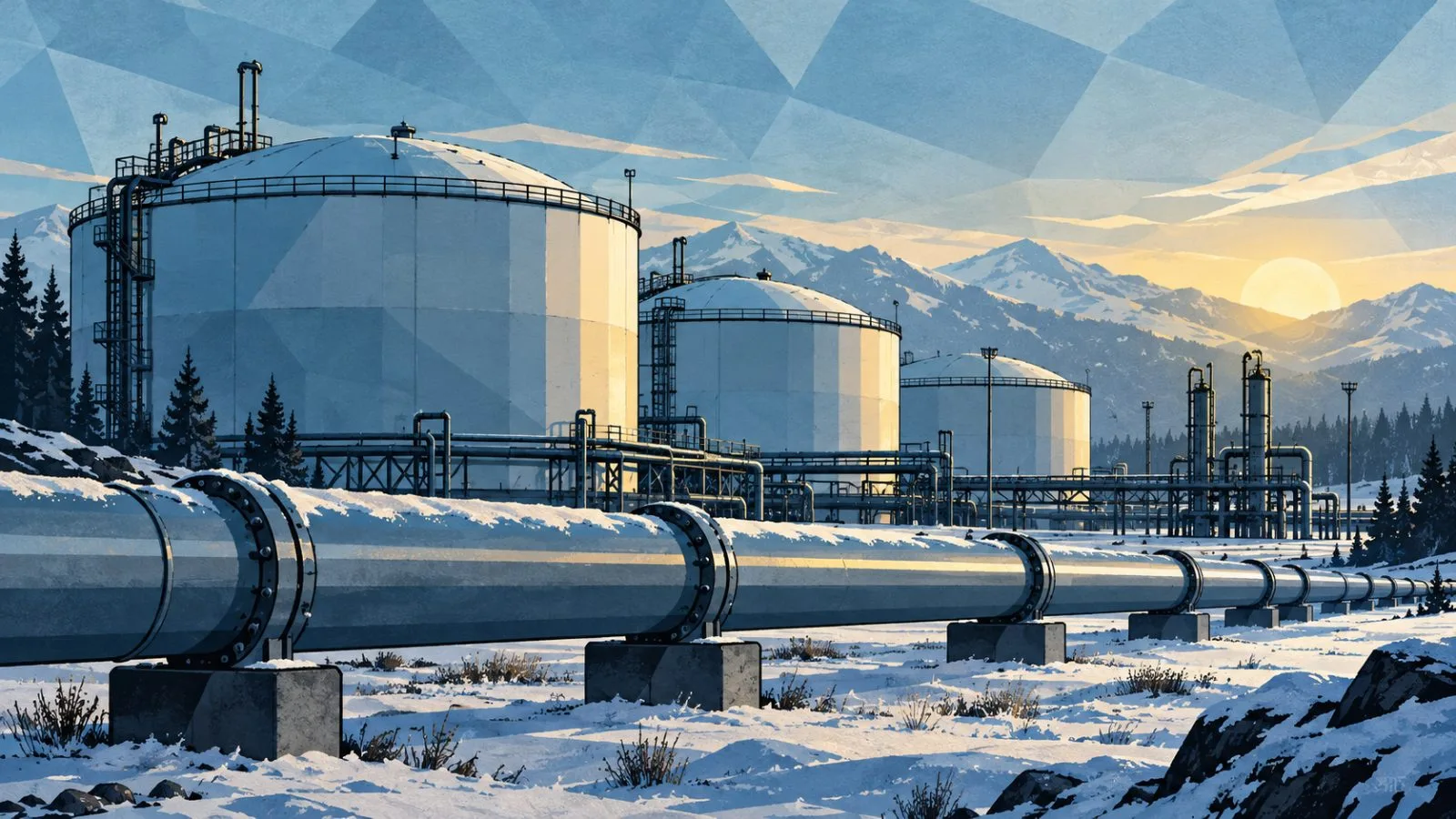
European benchmark gas prices have reached their highest level since December 2022 as Persian Gulf liquefied natural gas flows lag, leaving buyers to compete for cargoes ahead of winter.
The Dutch Title Transfer Facility (TTF) is a European gas benchmark and a global reference price. European Union gas storage stood at 836.90 terawatt-hours, or 74.02% of capacity, at midnight ET Oct. 15 (04:00 UTC). Stocks remained below the five-year average. The price move extends earlier pressure on European gas markets amid uncertainty over LNG shipments through Hormuz.
“Unfortunately for the natural gas market, we have not seen a similar recovery in LNG flows from the Persian Gulf as we have with oil,” said Warren Patterson, ING’s head of commodities strategy.
Europe’s direct share of LNG shipments through the Strait of Hormuz was limited in 2025. Under one-tenth of the cargoes that crossed the strait went to Europe, and those volumes amounted to less than 3% of the region’s natural gas demand. Qatar exported 110 billion cubic meters of LNG that year, with 105 billion cubic meters passing through Hormuz. About 90% of Qatar’s LNG exports went to Asian markets.
That limited direct exposure does not shield European buyers from wider supply disruptions. European and Asian importers compete for spot cargoes in increasingly linked gas markets, so changes in supply can affect buyers across regions.
A winter 2026-27 scenario assumes the Strait of Hormuz remains closed through the fourth quarter of 2026, followed by a gradual reopening in the first quarter of 2027. In that scenario, low European inventories could make late-winter price pressure acute if stocks run low.
Germany’s government directed state-owned Securing Energy for Europe (SEFE) to store 8 terawatt-hours of gas by Dec. 15, citing ongoing geopolitical risks. SEFE will decide when to inject the gas.
Enna Lee
ReporterEnna Lee reports on investing and digital-asset markets for TokenPost. Send corrections or tips to info@tokenpost.com.