
 Add as a preferred source on Google
CoreWeave and Oracle CDS Spreads Hit Records as AI Debt Costs Rise
CoreWeave’s five-year spread topped 1,100 basis points, while Oracle’s reached 288 after a 26-basis-point overnight increase.

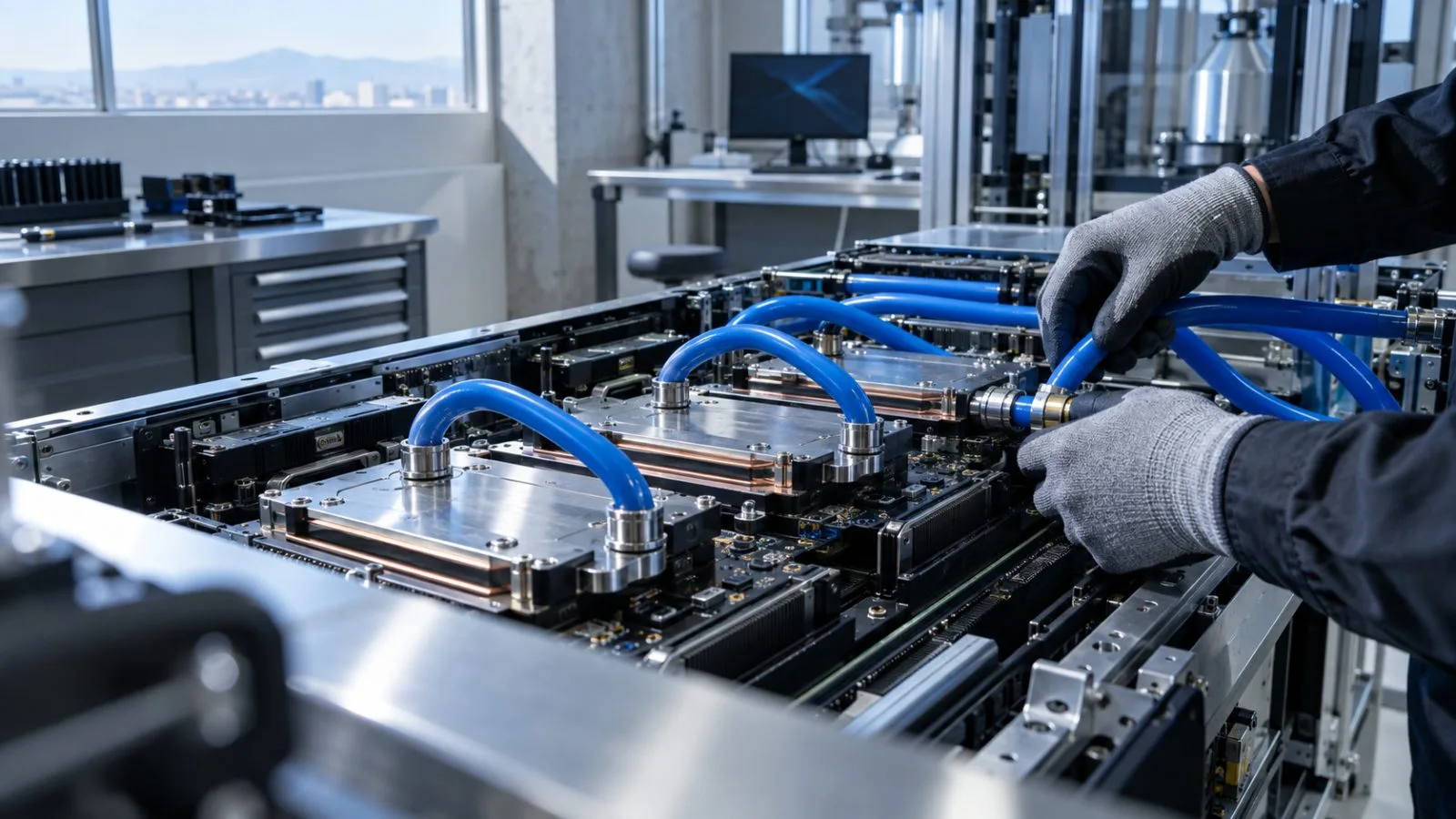
Credit protection costs for AI infrastructure borrowers climbed to records Thursday, Oct. 15, with CoreWeave’s five-year CDS above 1,100 basis points and Oracle’s at 288, sharpening attention on debt-funded data-center expansion.
A credit default swap (CDS) is a contract that protects against a borrower failing to meet debt obligations. The spread is the price of that protection, so a wider spread means protection costs more. The change signals higher perceived credit risk, but does not establish that a borrower will default.
CoreWeave’s 2031 bond yield briefly rose above 16% before easing to around 14%. Oracle’s spread widened 26 basis points overnight. Amazon, Alphabet and Meta also saw their CDS spreads reach record highs, though their levels remained below those of CoreWeave and Oracle.
“CoreWeave is quickly becoming the AI trade’s canary in the coal mine,” said Kathleen Brooks, research director at XTB.
“AI financing costs aren’t dramatic overall, but there are worrying themes at the edges,” said Jim Reid, a Deutsche Bank strategist.
As of June 30, CoreWeave had $35.551 billion in total debt and $16.319 billion in operating lease liabilities. Oracle had $125.337 billion in current and noncurrent notes and borrowings, plus $30.594 billion in operating lease liabilities, as of Aug. 31.
Oracle’s capital expenditures for the quarter ended Aug. 31 were $28.499 billion, up from $8.502 billion a year earlier. Data-center expansion was the primary reason for the increase. Oracle’s remaining performance obligations stood at $664 billion, compared with $455 billion a year earlier.
The latest widening followed a period when the four largest technology companies borrowed heavily while credit spreads remained narrow, a backdrop covered in a review of Big Tech debt issuance and tight spreads. The move has intensified scrutiny over whether returns from AI infrastructure can keep pace with the borrowing behind data-center expansion.
None of the companies with recently higher CDS spreads had defaulted or indicated they might do so. Wider spreads make credit protection more expensive; they do not, on their own, mean a missed payment has occurred.
Enna Lee
ReporterEnna Lee reports on investing and digital-asset markets for TokenPost. Send corrections or tips to info@tokenpost.com.