
 Add as a preferred source on Google
Bitcoin seller exhaustion hits record high as market builds a base for next rally
On-chain measures show Bitcoin seller exhaustion at a record high, suggesting a firm market bottom. Richard Byers expects consolidation before another advance as institutional demand grows.


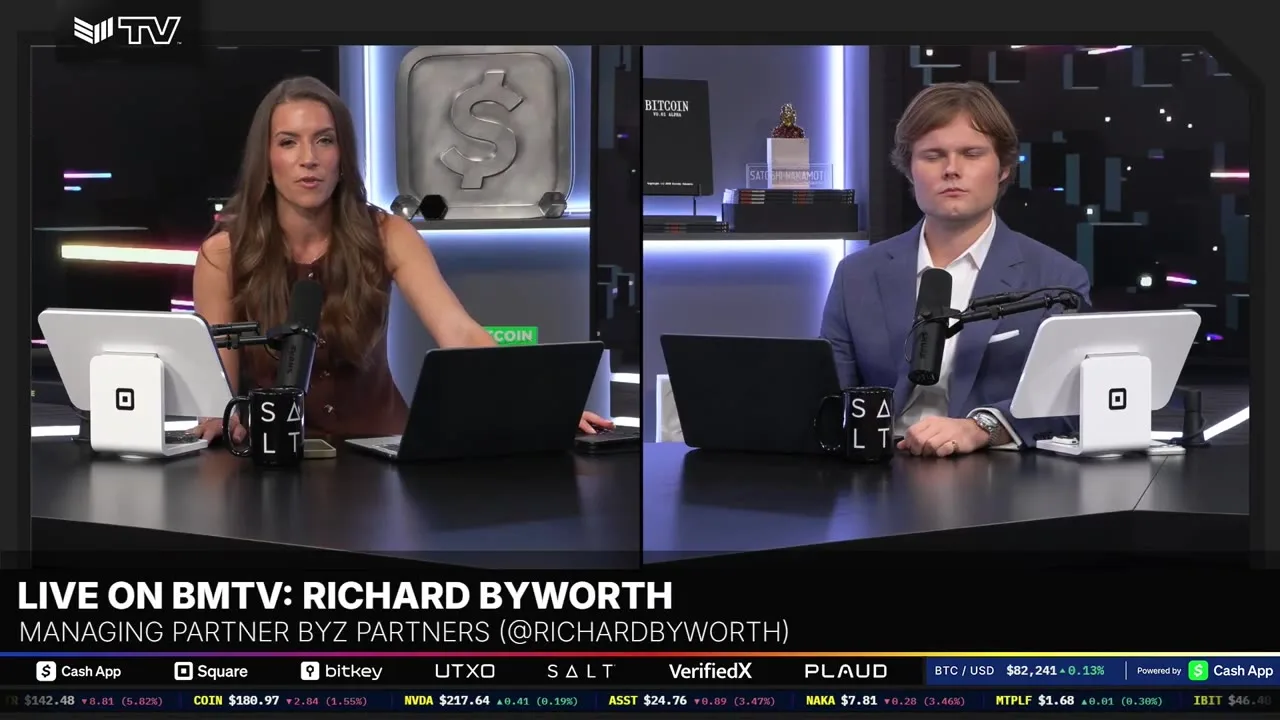
Bitcoin selling pressure has reached its highest level on record by on-chain measures, signaling that the market is forming a firm bottom. The cryptocurrency could consolidate around current levels before another move higher.
In an Oct. 17 interview with Bitcoin Magazine, financial expert Richard Byers said seller exhaustion was “the highest we’ve ever seen,” adding that Bitcoin was “really bottoming hard.”
Byers said the market does not feel like an extreme bear market, but several on-chain indicators point to bottom formation. He described the current phase as consolidation before another run and said large institutional purchases suggest further gains are a matter of time.
On the macroeconomic front, Byers highlighted the gap between U.S. economic growth and debt expansion. With gross domestic product growing about 2.2% while a larger debt base rises 6.5%, he argued that inflation would likely be the mechanism used to ease the debt burden.
Capital demand from AI companies could also put pressure on U.S. Treasurys. Companies such as Google may offer interest rates of 6% to 8% to finance data-center construction, creating competition with government bonds for investor capital.
Perpetual preferred equity issued by Bitcoin treasury companies is another product competing with the bond market. Byers estimated that close to $15 billion of such instruments is outstanding, a meaningful amount for the Bitcoin sector but still negligible beside the roughly $300 trillion global fixed-income market.
He said products designed by Michael Saylor are targeting capital in the global bond market. Byers called the Bitcoin treasury trade a powerful tool for unwinding the fiat structure that has supported financial markets, arguing that Treasury yields are insufficient to offset currency debasement and taxes.
For investors seeking to increase their Bitcoin holdings, Byers proposed blending six or seven hedge-fund strategies in a portfolio to pursue Bitcoin-denominated returns with low volatility. He also said he previously launched a 4,000 BTC fund offering investors annual Bitcoin returns of 4% to 8%.
Basis trading was presented as one such strategy. Byers said it may return 2% to 4% during quiet markets but can temporarily yield as much as 50% in dollar terms during strongly bullish periods. He stressed that such returns would not persist for an entire year and arise when demand for leverage surges.
Byers was more critical of repeatedly selling Bitcoin call options. He warned that a sudden sharp rally could cost investors a significant portion of their Bitcoin, making the approach unsuitable for those who use Bitcoin itself as their hurdle rate.
Riza Dagoc
Riza Dagoc reports on regulation, investing and the digital-asset business for TokenPost. Send corrections or tips to info@tokenpost.com.