
 Add as a preferred source on Google
Nasdaq-100 Drops 5% as NVIDIA and TSMC Post Revenue Gains
The PHLX Semiconductor Index was 11.6% below its Oct. 6 peak as of Oct. 14. CoreWeave recorded $640 million in interest expense, net, for its June quarter.

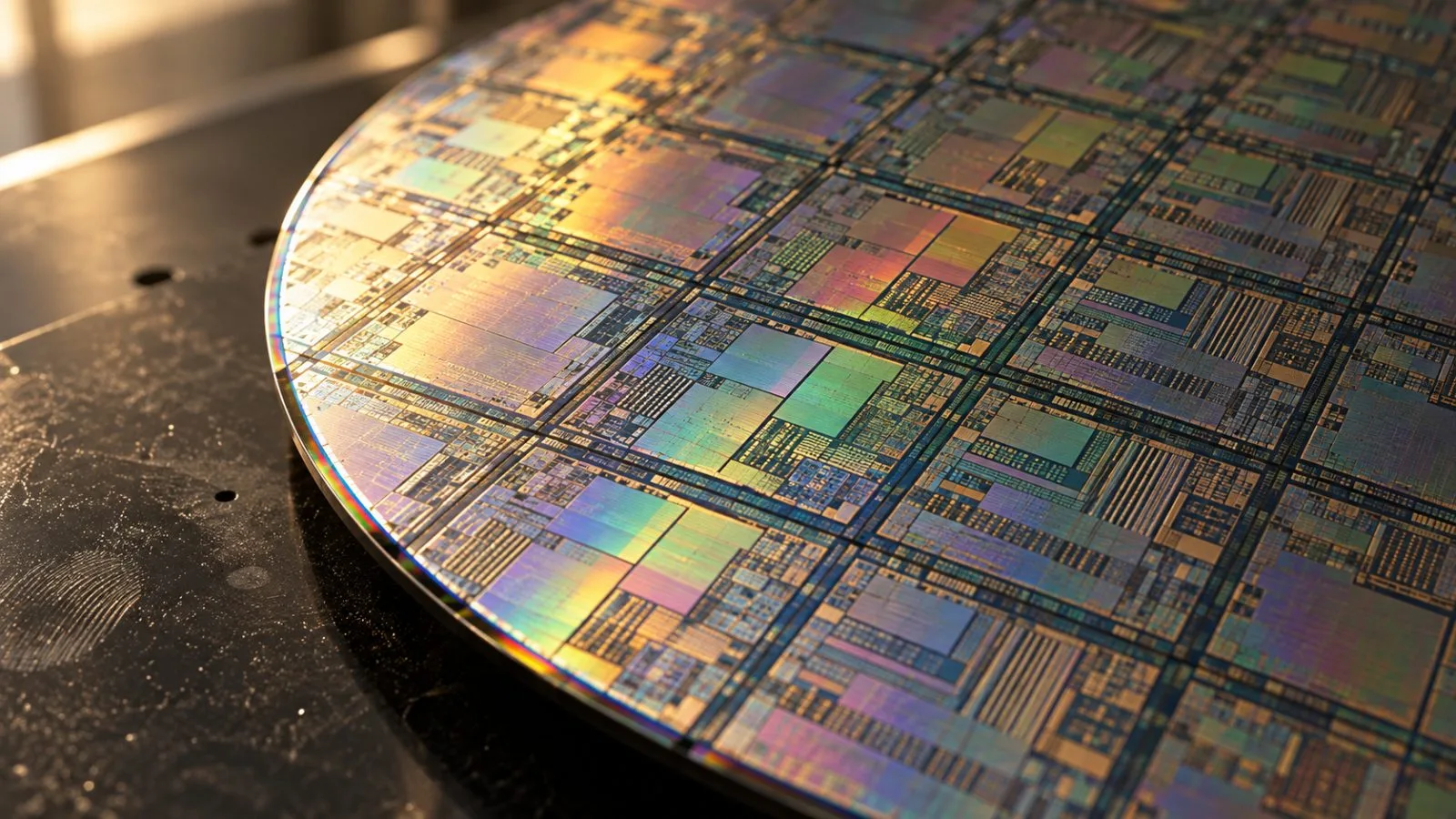
The Nasdaq-100 fell 5% in the week ended Oct. 16 even as NVIDIA and Taiwan Semiconductor Manufacturing Company Limited posted strong quarterly revenue growth, underscoring the gap between stock performance and company sales.
The PHLX Semiconductor Index was 11.6% below its Oct. 6 peak as of Oct. 14. That reading and the Nasdaq-100’s weekly loss cover different periods: one measures the distance from a peak, while the other measures a decline over a single week.
Large technology companies carry substantial weight in broad U.S. stock indexes, making their share prices consequential for the wider market. Earlier coverage of AI exposure in U.S. stocks examined that concentration risk. The Nasdaq-100 figure alone does not show how much of its decline came from AI-related companies.
For its quarter through July 26, NVIDIA recorded data center sales of $89 billion, 117% above the year-earlier period. The figure covers one of NVIDIA’s businesses. It measures sales during that quarter, before the October decline in semiconductor shares.
For the quarter through Sept. 30, Taiwan Semiconductor Manufacturing Company Limited recorded companywide revenue of $46.72 billion, up 41.2% year over year in U.S. dollars. Unlike NVIDIA’s data center figure, the chip manufacturer’s number covers its entire business, not AI-related sales alone.
Both results show revenue growth at the two companies, but they measure different businesses over different quarters. Neither is a current measure of computing demand across the industry. The distinction matters when comparing past sales with a more recent decline in technology shares.
Financing costs present a separate measure of pressure on an AI business. In the quarter through June 30, AI cloud provider CoreWeave recorded interest expense, net, of $640 million, versus $267 million a year earlier. Increased borrowing levels and total debt obligations were the primary reasons for the rise.
CoreWeave’s interest expense measures a cost, while the NVIDIA and Taiwan Semiconductor figures measure revenue. Their reporting periods also ended before the October market moves. Taken together, the figures show why the stock declines, sales growth and borrowing costs require separate comparisons.
Enna Lee
ReporterEnna Lee reports on investing and digital-asset markets for TokenPost. Send corrections or tips to info@tokenpost.com.