
 Add as a preferred source on Google
2027 Debt Ceiling Talks Put Treasury Liquidity on Crypto’s Calendar
Republicans hold a 218–214 House edge and a 53–47 Senate majority. The federal funding deadline is expected around mid-December 2026.


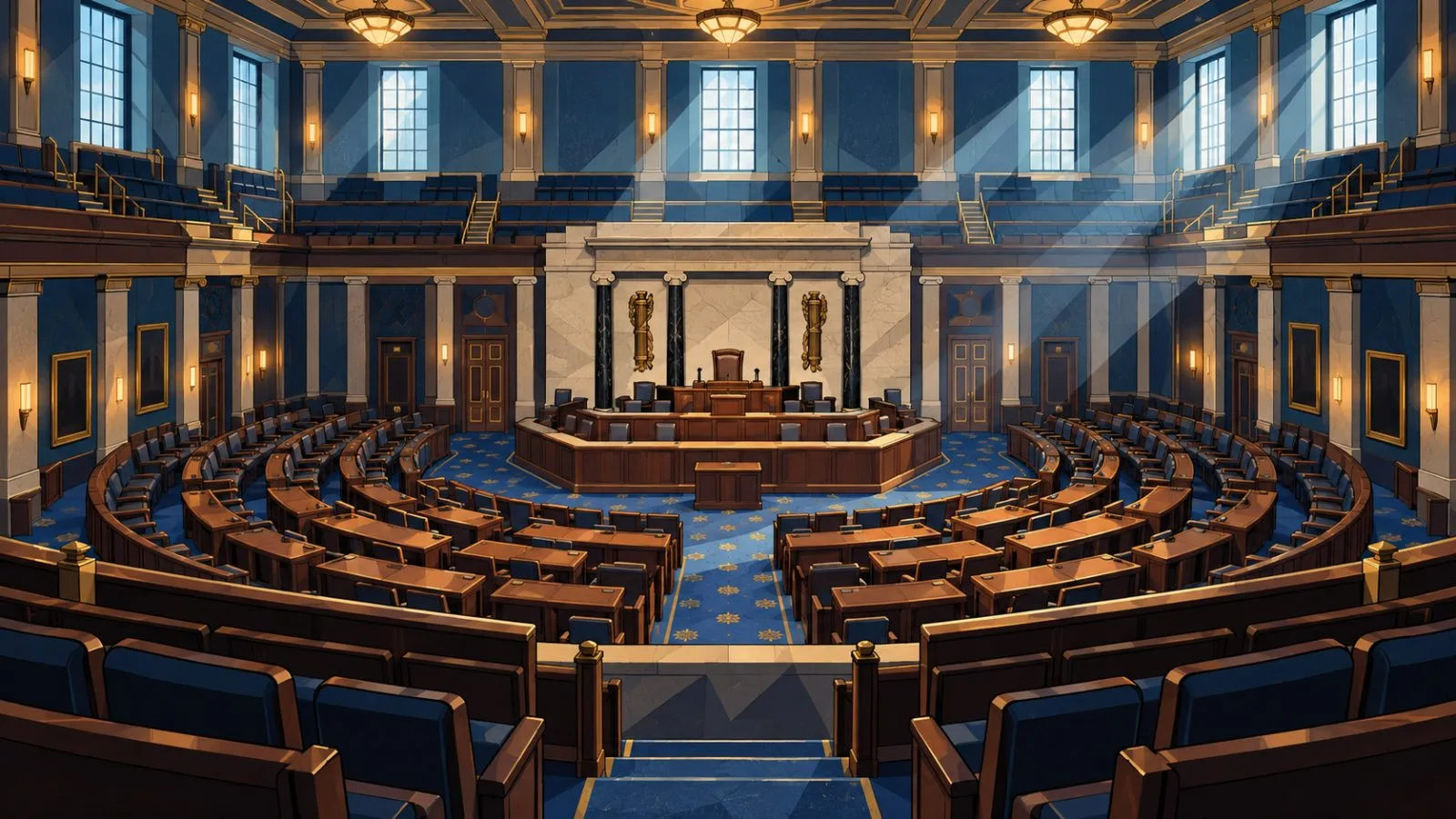
The Nov. 3, 2026, U.S. midterms will set the congressional balance for 2027 borrowing and spending talks, putting debt-limit deadlines on the calendar for crypto markets that rely on dollar liquidity.
Republicans currently hold a 218–214 edge in the House and a 53–47 majority in the Senate. Democrats would need a net gain of four seats to take control of either chamber. The results will change lawmakers’ leverage in negotiations over government funding and the federal borrowing limit, but the fiscal deadlines fall after the vote.
A federal funding deadline is expected around mid-December 2026. A debt-limit confrontation could emerge around mid-2027, with a spring debt-ceiling cliff also possible. The Treasury’s potential X-date — when extraordinary measures may be exhausted — could fall between midyear and late summer 2027.
Debt-ceiling standoffs have tended to show up first in short-dated Treasury bills and cash-management products. Securities maturing near a potential X-date may require a higher liquidity premium. The dollar and gold can also move on short-term safe-haven demand, while risk assets may face a liquidity discount. The election outcome will shape bargaining power as Congress approaches funding and borrowing deadlines.
Those Treasury-market shifts matter to crypto through dollar-backed stablecoins. Major issuers hold reserves in cash, overnight repurchase agreements and short-term Treasurys; uncertainty in short-term funding could prompt reserve adjustments. Tighter on-chain liquidity could then affect margin conditions in spot and perpetual markets. Bitcoin (BTC), a higher-beta asset, may experience larger swings when debt-ceiling uncertainty raises questions about whether the U.S. can make payments on time.
The regulatory timeline runs alongside debt-limit talks. The Treasury Department and the Office of the Comptroller of the Currency (OCC) can continue implementing the enacted GENIUS Act framework. CLARITY market-structure legislation still requires congressional action.
The Nov. 3 vote will provide a clearer picture of congressional control. The next calendar marker is the mid-December 2026 funding deadline, followed by progress on extraordinary measures and whether Congress takes up the debt ceiling ahead of the 2027 summer window.
Enna Lee
ReporterEnna Lee reports on investing and digital-asset markets for TokenPost. Send corrections or tips to info@tokenpost.com.