
 Add as a preferred source on Google
Korean memory demand rises 30% in 4–6 weeks, reinforcing Ives’ bullish AI view
Dan Ives estimated Korean memory demand rose about 30% in four to six weeks. He said supply-chain strength and expanding AI adoption supported his bullish view, while acknowledging higher financing costs.

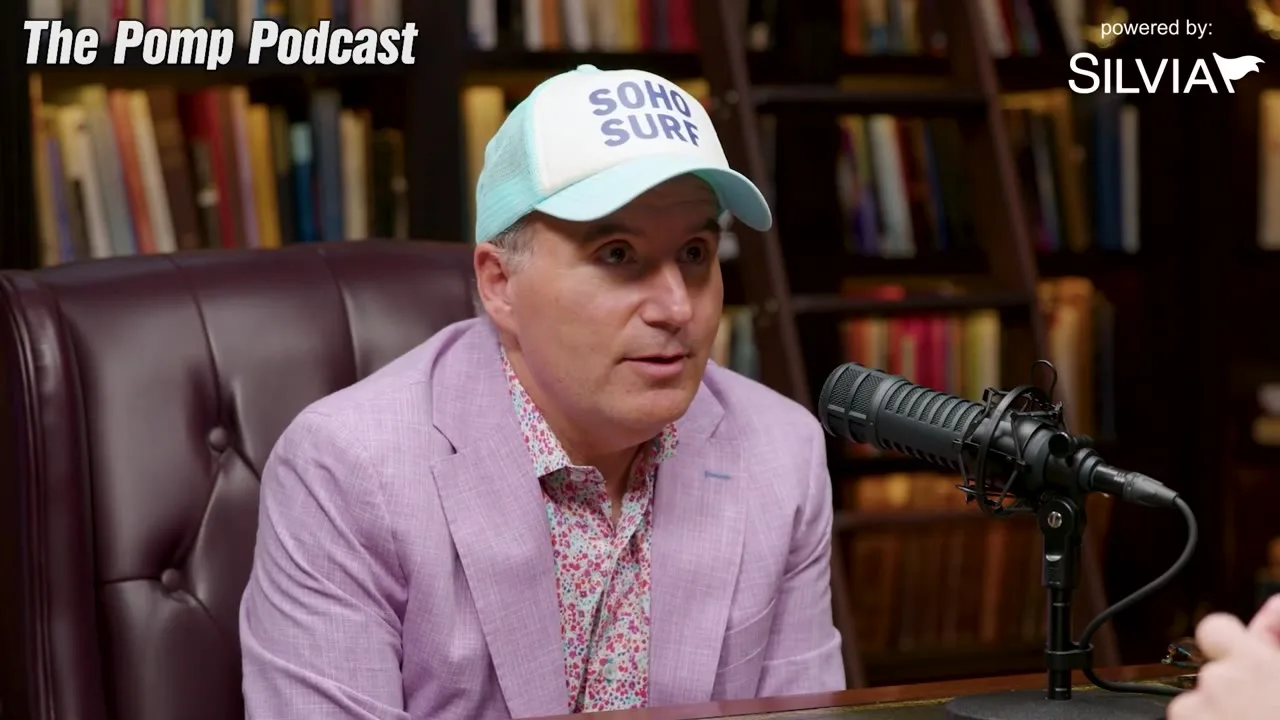
Memory chip demand in Korea has risen about 30% over the past four to six weeks, according to Dan Ives, supporting his bullish view on AI investment. He said supply-chain demand and expanding business adoption of AI pointed to stronger fundamentals than investor sentiment suggested.
In an October 22 interview with Anthony Pompliano, Ives, a partner at Yorkville Ives, discussed findings from a recent visit to Korea. He said investor anxiety contrasted with the demand he observed on the ground.
Ives estimated that memory demand had increased about 30% in four to six weeks. With supply concentrated among a small number of producers, he described Korea as central to the AI supply chain and said the visit had strengthened his confidence in demand. He also expected technology earnings to provide further evidence supporting the AI investment cycle.
He described the Korean stock market’s sharp sell-off as detached from fundamentals. Leverage and a large influx of retail investors had amplified volatility, he said, while growing international interest had helped reshape the market. In his assessment, prices had become stretched during the rally before swinging into oversold territory.
Ives acknowledged that higher interest rates posed a financing challenge for AI infrastructure. He estimated that about 20% of the build-out would require debt financing or convertible securities, making rising capital costs a legitimate concern.
He took a more favorable view of CoreWeave’s financial position. Ives argued that its borrowing was small relative to its backlog and said the business was financially healthier than it had been six months or a year earlier.
Actual capital spending by major cloud companies was another basis for his optimism. Ives estimated that each $1 of capital expenditure could generate $5–$6 of activity across the wider technology industry. He argued that Wall Street was underestimating technology earnings over the next 12–18 months by 15%–25%.
Expanding corporate use of AI offered another indication that infrastructure spending could translate into revenue, he said. Drawing on conversations with chief information officers and enterprise IT executives, Ives described rapidly multiplying use cases and pointed to Palantir and Snowflake as software examples.
Ives acknowledged that monetization takes time, with a gap between capital spending and the revenue it generates. He said that gap was approaching its end, maintaining that supply-chain demand and growing practical adoption provided a stronger basis for assessing the AI cycle than prevailing market fears.
Riza Dagoc
Riza Dagoc reports on regulation, investing and the digital-asset business for TokenPost. Send corrections or tips to info@tokenpost.com.