
 Add as a preferred source on Google
Crypto Token Buybacks Reach Nearly $640 Million Through August
Hyperliquid and pump.fun accounted for about 90% of the 2026 total. Fifteen projects are changing token issuance, fee use, unlocks and staking rewards.


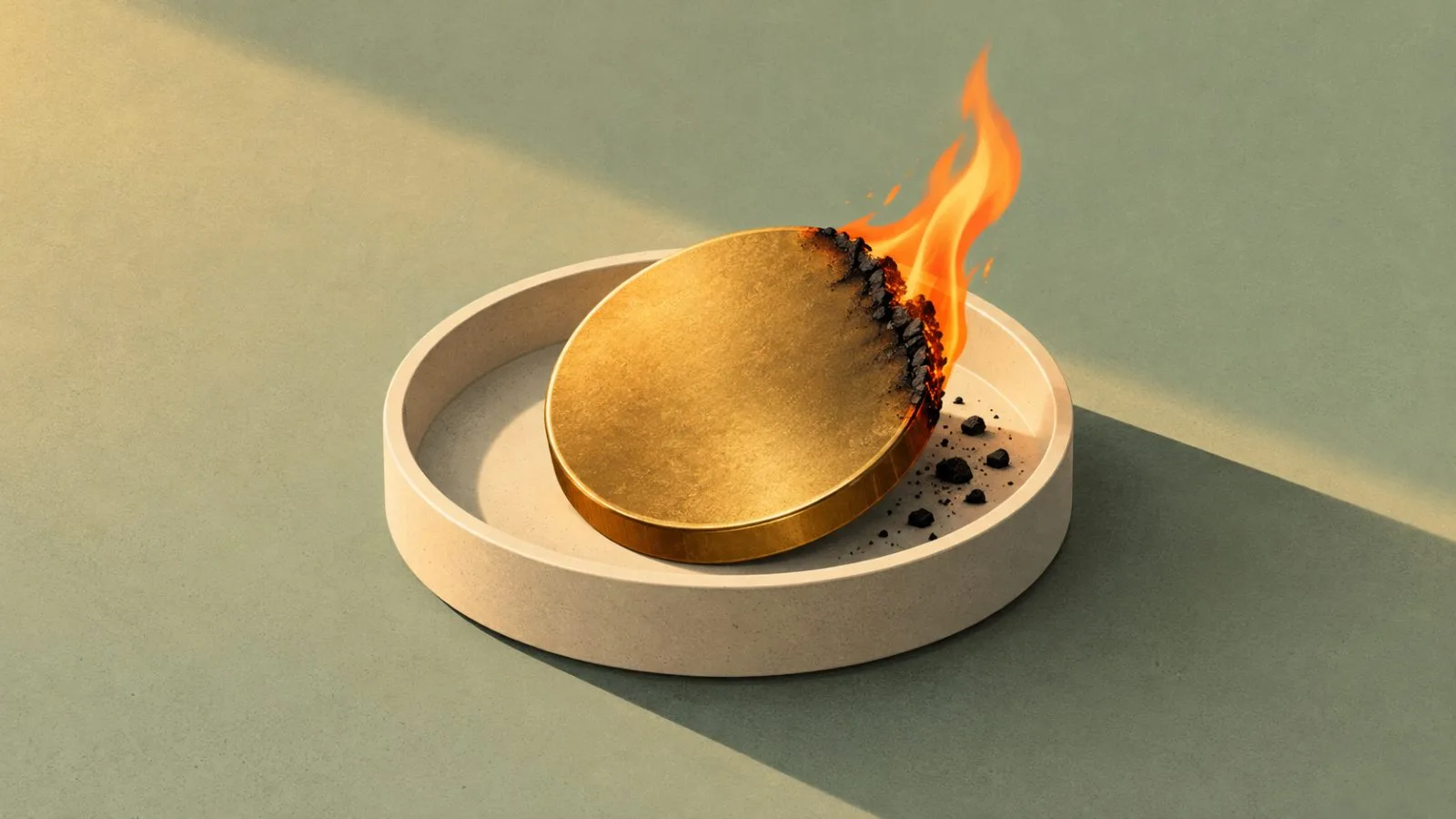
Crypto projects bought back nearly $640 million in tokens through August, with Hyperliquid and pump.fun accounting for about 90% as protocols tie supply changes more closely to operating revenue.
Buybacks reached $545 million in the same period in 2025, compared with $366,000 across all of 2024. The activity is highly concentrated: Hyperliquid and pump.fun account for nearly nine-tenths of the 2026 total. Changes span 15 projects in public blockchains, decentralized finance, AI and decentralized physical infrastructure (DePIN), including lower inflation, revenue-funded purchases and burns, revised unlocks, and staking incentives tied to business activity.
At the network level, Solana is moving toward a terminal inflation rate of 1.5%. NEAR lowered its inflation cap to 2.5%, ended developer gas subsidies and began burning execution fees. These changes reduce reliance on new token issuance to support network activity.
Applications are routing more revenue toward token purchases. Lighter and Aster direct most trading fees to buybacks and burns. io.net allocates more than half of its surplus after operating costs to the same purpose, while Venice uses some AI subscription revenue for repurchases.
Other changes address token release schedules and staking. Ethena released its remaining investor allocation in a one-time unlock on Oct. 5, while leaving the team allocation unchanged. It plans to use 95% of net income for buybacks after USDe reaches a target size of $7.5 billion. Polygon plans to introduce native staking and direct some network priority fees to stakers. Cronos plans to tie staking incentives to ecosystem revenue and lock duration.
Hyperliquid routes about 99% of its protocol fees through its Assistance Fund to buy back and permanently burn its HYPE token. Pump.fun directs 50% of its revenue to buybacks and burns. Together, the two projects account for nearly 90% of this year's total.
Buybacks can create buying demand or reduce token supply, but they cannot replace organic revenue growth or guarantee long-term appreciation. Ethena's stated trigger for its planned buybacks is USDe reaching $7.5 billion in size.
Enna Lee
ReporterEnna Lee reports on investing and digital-asset markets for TokenPost. Send corrections or tips to info@tokenpost.com.