
 Add as a preferred source on Google
Capital Economics Expects S&P 500 12% Below Friday’s Level by End of 2027
Vicky Redwood expects AI investment growth to slow in 2027, then fall about 10% in 2028, leaving the index 17% below its early-October peak.

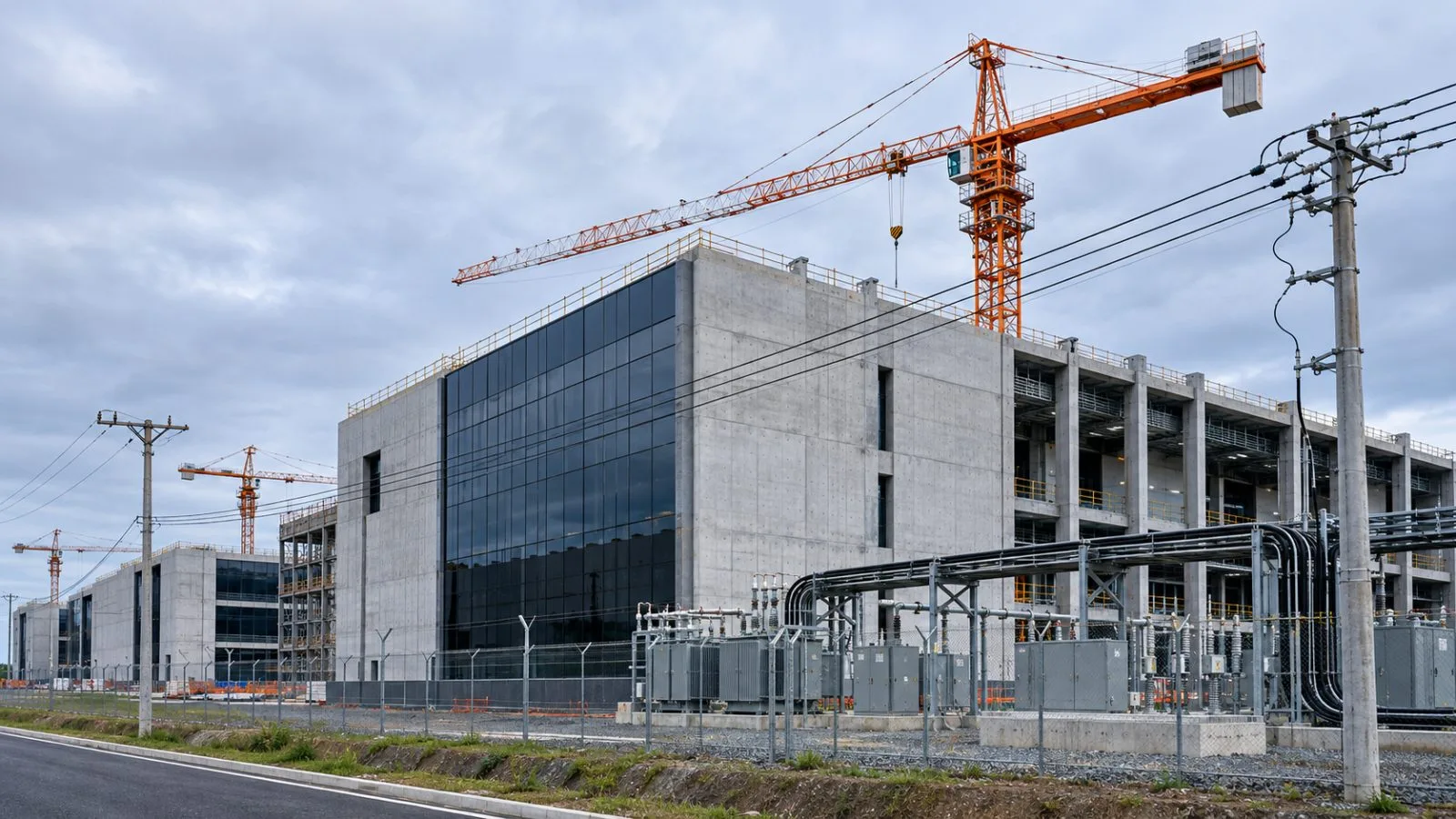
Capital Economics Chief Economic Adviser Vicky Redwood expects the S&P 500 to finish 2027 12% below its level at the time of Friday’s forecast, as cooling AI investment puts pressure on the U.S. economic outlook. That would leave the index about 17% beneath its early-October peak.
The projection follows a recent retreat in U.S. stocks, when the Nasdaq Composite fell roughly 4% and chip, memory, data-center equipment and power shares each lost more than 10%. Redwood expects markets to reflect the spending slowdown before capital outlays actually fall.
A handful of hyperscalers are expected to spend $800 billion in 2026, around twice their 2025 level, and at least $1 trillion in 2027. Annual AI-related revenue from external customers would need to grow 10-fold by 2030 to justify that spending, Redwood calculated. Many forecasts assume capital spending will stay above $1 trillion for several years. Redwood considers the revenue target possible, but says it implies much faster disruption to existing businesses and labor than has occurred so far.
AI investment added 0.3 percentage point to U.S. GDP growth in 2025, Redwood estimated. Slower growth in AI outlays could trim 0.3 percentage point from the recent GDP growth rate, while a 10% decline in spending in 2028 might reduce GDP by 0.1%.
Redwood also estimates the stock market’s rally over the previous year added about 0.4% to GDP through increased consumer spending. A selloff could create an economic drag of similar size through the wealth effect. She expects losses in technology-heavy indexes to exceed declines in the broader market.
At the same time, Redwood expects AI to raise U.S. productivity by about 1% annually for several years. Hyperscalers may keep investing to replace equipment as it wears out, capture economies of scale and compete in what she called a “winner-takes-most” AI race. Companies could also spread capital spending reductions across several years instead of making cuts all at once.
Redwood does not expect an abrupt collapse in AI spending or a severe downturn as the boom fades. “We expect slower GDP growth in 2028, but not a major downturn,” she wrote. Capital Economics expects AI investment to grow more slowly in 2027, then fall around 10% in 2028.
Enna Lee
ReporterEnna Lee reports on investing and digital-asset markets for TokenPost. Send corrections or tips to info@tokenpost.com.