
 Add as a preferred source on Google
Nasdaq year-end rebound hinges on a confirmed uptrend, strategist says
Chris Vermeulen sees scope for a Nasdaq year-end rebound as money rotates into defensive stocks, but says the current downtrend has yet to reverse.

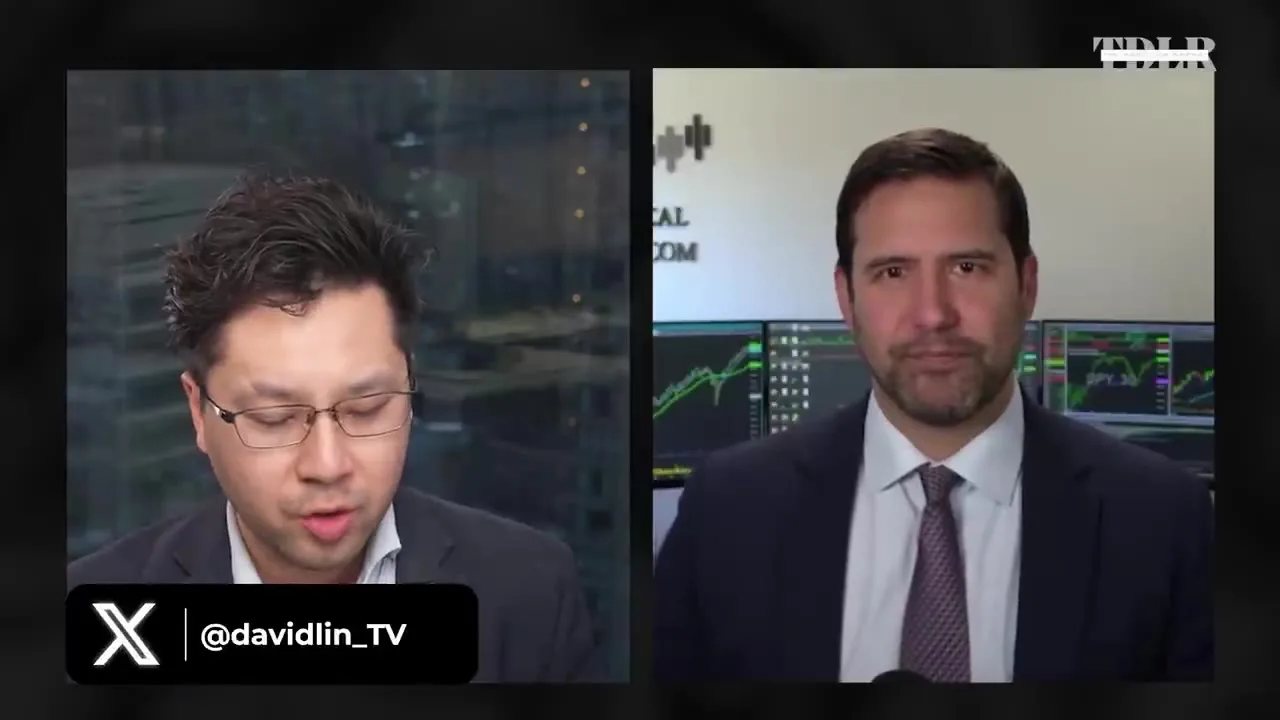
The Nasdaq could stage a year-end rebound as selling pressure eases, but a sustained recovery in prices would be needed to establish a new uptrend. The recent retreat in technology shares appears to reflect a shift toward defensive sectors rather than a broad withdrawal from equities.
In a November 16 interview with David Lin, Chris Vermeulen, chief market strategist at TheTechnicalTraders.com, said he expected the Nasdaq to finish the year positive or broadly flat. He nevertheless described its current trend as downward, distinguishing the possibility of a recovery from evidence that one had begun.
Vermeulen attributed the sharp market swings to portfolio rebalancing after the midterm elections and uncertainty surrounding the AI industry. He said potential US restrictions on advanced AI chip sales were weighing on earnings expectations for technology and semiconductor companies, while successive news developments were driving rapid shifts in positioning.
He said money leaving technology shares had moved into dividend stocks, consumer staples, healthcare, utilities and real estate. In his assessment, investors were seeking greater safety within the stock market rather than exiting it.
Heavy capitulation volume in the Nasdaq, alongside spikes in the volatility index and the put-call ratio, suggested that fear and bearish positioning had intensified, Vermeulen said. He also saw some improvement in market internals. Together, those developments raised the possibility of a year-end recovery, although they did not establish that prices had reached a bottom.
Vermeulen did not regard Nvidia’s sharp decline as an immediate buying opportunity. He said the shares could be oversold enough for a technical bounce, but changes to chip sales policy could generate further selling pressure. His approach required a rebound, stabilization and several weeks of rising prices before a buy signal could emerge.
The pattern following a potential bottom would also matter, he said. Renewed inflows and a bullish formation could indicate a developing uptrend, while a weak rebound and bearish formation could point to further declines. Although Nvidia’s sell-off had unsettled the AI sector, he cautioned against assuming its circumstances applied equally to other semiconductor companies.
Vermeulen also expected the broader equity market, including the S&P 500, to attempt to stabilize after the sell-off. He said high volatility and heavy trading volume could accompany the formation of a bottom, but his assessment remained conditional on prices turning higher and confirming a new upward trend.
Riza Dagoc
Riza Dagoc reports on regulation, investing and the digital-asset business for TokenPost. Send corrections or tips to info@tokenpost.com.