
 Add as a preferred source on Google
Oil Futures Rise as Tanker Attacks in the Strait of Hormuz Complicate Supply Recovery
Brent rose 1.5% and U.S. crude gained 1.6% on Nov. 17, even as the International Energy Agency projected a fourth-quarter supply surplus.

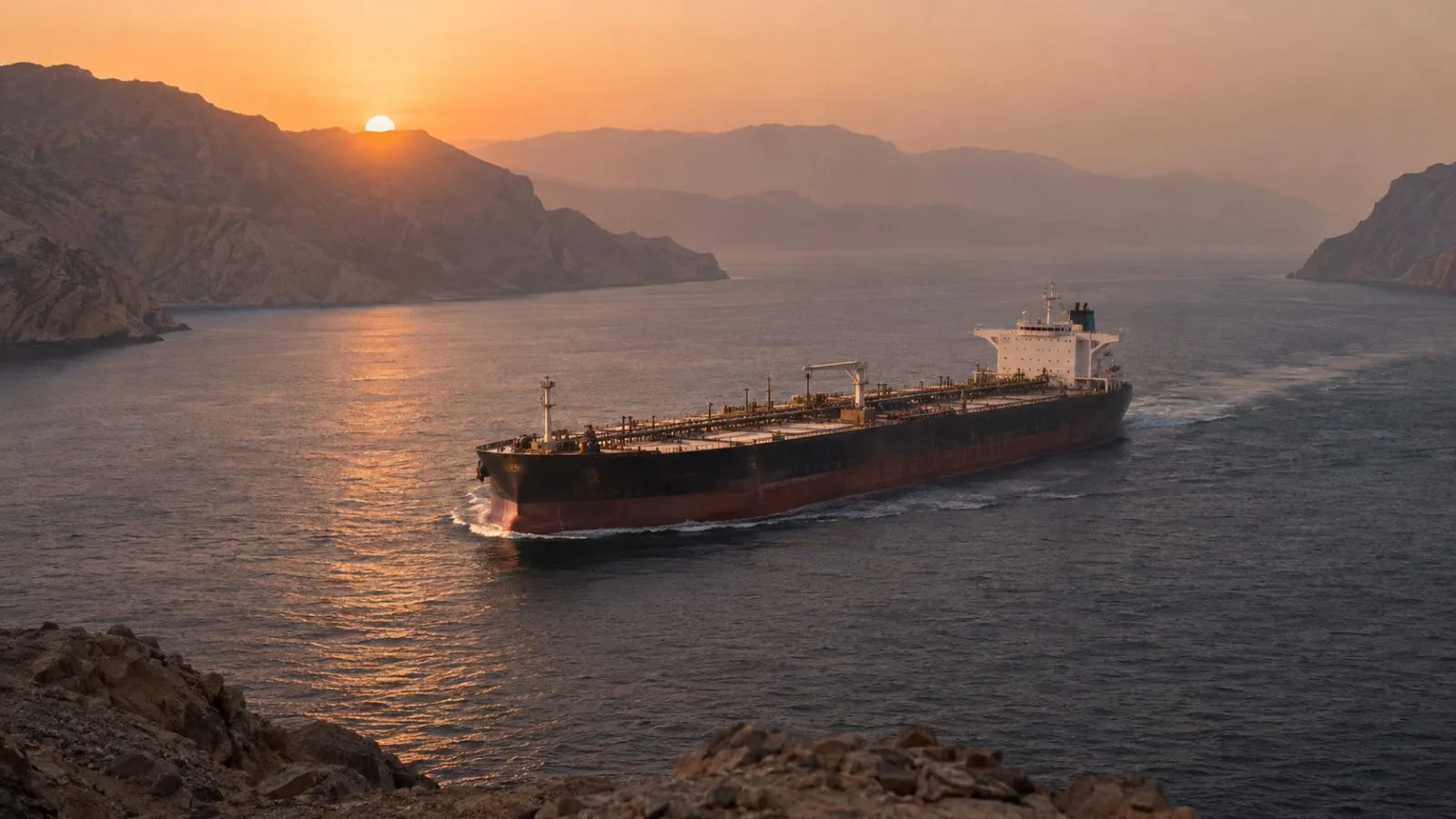
Oil futures climbed Nov. 17 as attacks on tankers in the Strait of Hormuz renewed concerns about Gulf shipping, complicating a recovery in Middle East exports despite a forecast global supply surplus.
At 9:48 a.m. ET (14:48 UTC), January Brent futures were up 1.5% at $93.84 a barrel. U.S. West Texas Intermediate crude futures gained 1.6% to $87.10 a barrel.
The International Energy Agency (IEA) expects global oil supply to exceed demand in the fourth quarter, reversing its earlier forecast of a shortfall. It projects supply of about 105 million barrels a day, roughly 1.7 million barrels a day more than expected demand.
Middle East exports continued to recover, but attacks on tankers in the Strait of Hormuz since Friday have kept the safety of shipments in focus. The recovery in oil flows through Hormuz leaves the market exposed to further disruption along the route.
U.S. crude oil, gasoline and diesel inventories rose in last week’s data. Domestic stockpiles remain tight despite those increases.
For crypto markets, oil prices are part of the inflation backdrop. Higher prices can lift inflation expectations and government bond yields, conditions that can weigh on cryptocurrencies.
Iran offered a two-day plan Nov. 16 to reopen the waterway and end hostilities with the United States. Iran said it was up to Washington to end the conflict.
Enna Lee
ReporterEnna Lee reports on investing and digital-asset markets for TokenPost. Send corrections or tips to info@tokenpost.com.