
 Add as a preferred source on Google
International Energy Agency Chief Sees No Credible Return to Prewar Strait Conditions
International Energy Agency (IEA) Executive Director Fatih Birol said Gulf crude exports topped 80% of prewar levels in October, but renewed U.S.-Iran strikes have put the recovery in question.

International Energy Agency Executive Director Fatih Birol sees no credible route to restoring the Strait of Hormuz to its prewar conditions, warning that the Iran war has undermined confidence in the shipping corridor.
“I don’t see any credible pathway back to the situation that existed in February 2026,” Birol wrote in an essay published Wednesday. He said confidence in Hormuz as a safe and reliable passage for energy and other goods had been “crushed.”
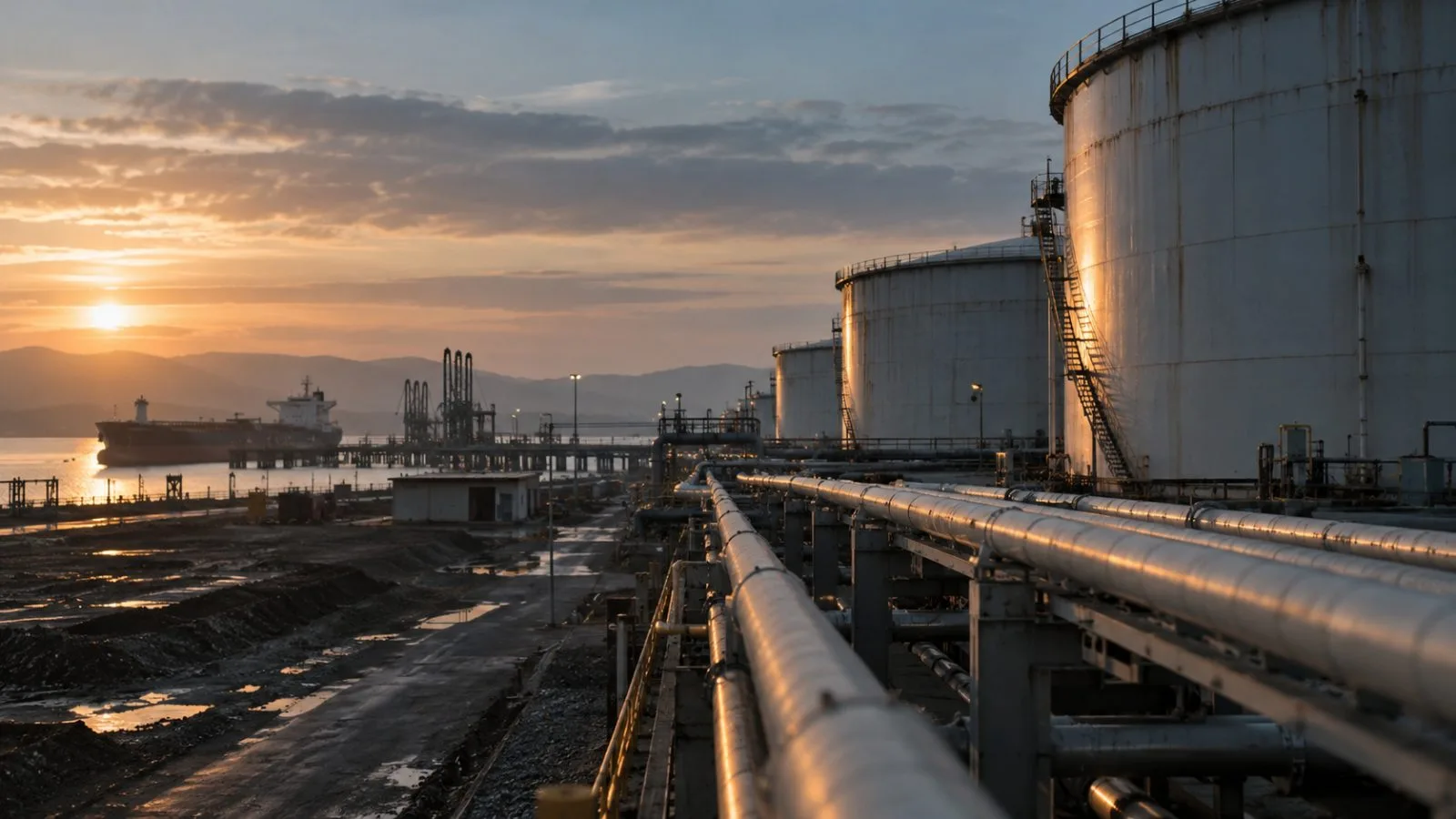
Shipping through the strait has already stopped once during the war, disrupting oil and gas markets, Birol said, and he warned that flows could be blocked again. Before the conflict began Feb. 28, the strait was a major route for oil and gas.
Gulf crude exports exceeded 80% of prewar levels in October. Renewed U.S.-Iran strikes this week ended a lull in direct fighting and raised questions about whether energy flows can sustain the recovery.
At 6:45 a.m. ET Wednesday, West Texas Intermediate futures traded at $85 a barrel and Brent futures at $92.74.
Many IEA member countries relied on emergency oil stocks during the crisis, helping soften economic disruption. The Philippines and Thailand, among the countries hit hardest by the energy shock, are looking to build similar reserves.
Birol said the crisis could accelerate countries’ shift toward domestic energy sources, including cost-competitive solar and wind power, while renewing interest in nuclear energy. He said that transition would require stronger electric grids and more battery storage.
Enna Lee
ReporterEnna Lee reports on investing and digital-asset markets for TokenPost. Send corrections or tips to info@tokenpost.com.