
 Add as a preferred source on Google
Spot Bitcoin ETFs see $8.3 billion in outflows as average cost holds near $81,000
U.S. spot Bitcoin ETFs have lost $8.3 billion in cumulative flows since October 2025, after attracting about $63 billion. Bloomberg Intelligence’s James Seyffart estimates holders’ average cost at $81,000 to $82,000 p…


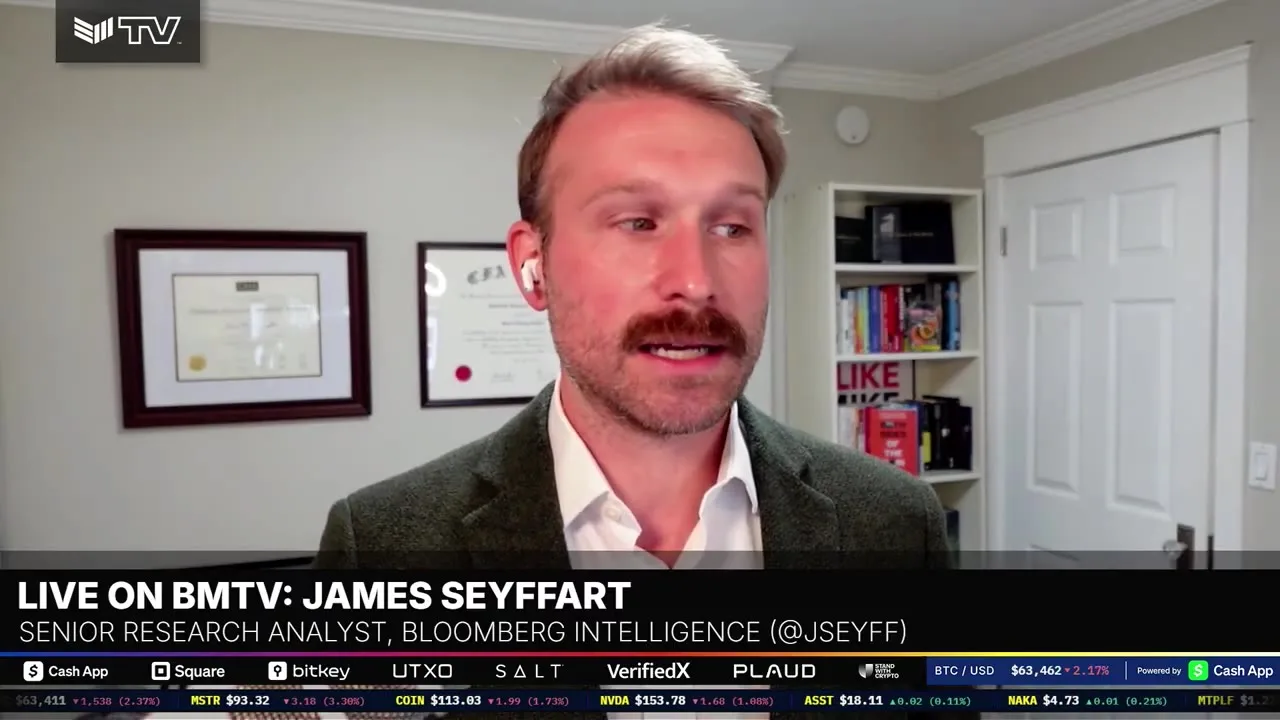
U.S. spot Bitcoin ETFs have recorded $8.3 billion in cumulative outflows since October 2025, though the decline is modest compared with the money that flowed in beforehand. The average holder’s cost basis is estimated at $81,000 to $82,000 per Bitcoin.
In a Bitcoin Magazine interview on Nov. 19, Bloomberg Intelligence senior research analyst James Seyffart said he watches cumulative ETF inflows and outflows over set periods, as well as holders’ average purchase price.
U.S. spot Bitcoin ETFs had attracted about $63 billion in cumulative inflows through October 2025 before losing roughly $8.3 billion from Oct. 10 onward, Seyffart said. While substantial, the outflows amounted to a largely sideways movement with some decline when measured against the earlier inflows, he said.
Seyffart also pointed to the average cost basis as a market indicator. Bitcoin reached that level in May and again the previous month before falling well below it, he said, adding that the price range appeared to have acted as resistance. Many ETF holders were sitting on substantial unrealized losses, he said.
ETF flows generally reflect movements in the underlying market and can show when investors bought and when money entered or left, Seyffart said. He compared Bitcoin ETFs with gold ETFs because each provides exposure to a single commodity.
Investment advisers have become the largest group of Bitcoin ETF holders, overtaking hedge funds, which led after the funds launched in January 2024, Seyffart said. Under his classification of 13F filings, however, advisers sold during the third quarter while hedge funds bought.
Restrictions on advisers’ recommendations remain, he said. Some brokerage networks prohibit the investments, others require a client request or certain conditions, and some allow recommendations to clients who meet risk or net worth criteria.
Wells Fargo became the largest known holder of Bitcoin ETFs, overtaking Jane Street, Seyffart said. He cautioned that bank filings do not always distinguish client assets held for long-term investment from inventory held by trading desks for market making.
Hedge funds initially invested heavily in the ETFs to exploit price differences between spot and futures markets through basis trades, Seyffart said. He added that he saw no indication their recent purchases signaled a return of that trade.
U.S. pension funds’ holdings of Strategy stock likely reflected index exposure, he said. The filings as of Sept. 30 did not yet reflect MSCI’s subsequent decision to remove Strategy, and the positions were too small relative to the funds’ assets to indicate a particular investment view, he said.
Most active managers initially held on to their Nvidia shares, but more began reducing positions after further allegations emerged, Seyffart said. He likened the selling to a wave forming offshore that could grow larger.
On Anthropic’s planned initial public offering, Seyffart said leveraged ETFs could increasingly be ready to trade shortly after the debut of companies targeting valuations above $1 trillion. Some ETFs and mutual funds value their private Anthropic stakes well below the IPO target, although investment limits constrain their exposure, he said.
Riza Dagoc
Riza Dagoc reports on regulation, investing and the digital-asset business for TokenPost. Send corrections or tips to info@tokenpost.com.