
 Add as a preferred source on Google
S&P 500 Loses More Than $6 Trillion as Tech Selloff Deepens
The index fell 2.02% Thursday for a sixth straight decline, while technology and artificial intelligence-linked shares posted steep losses.

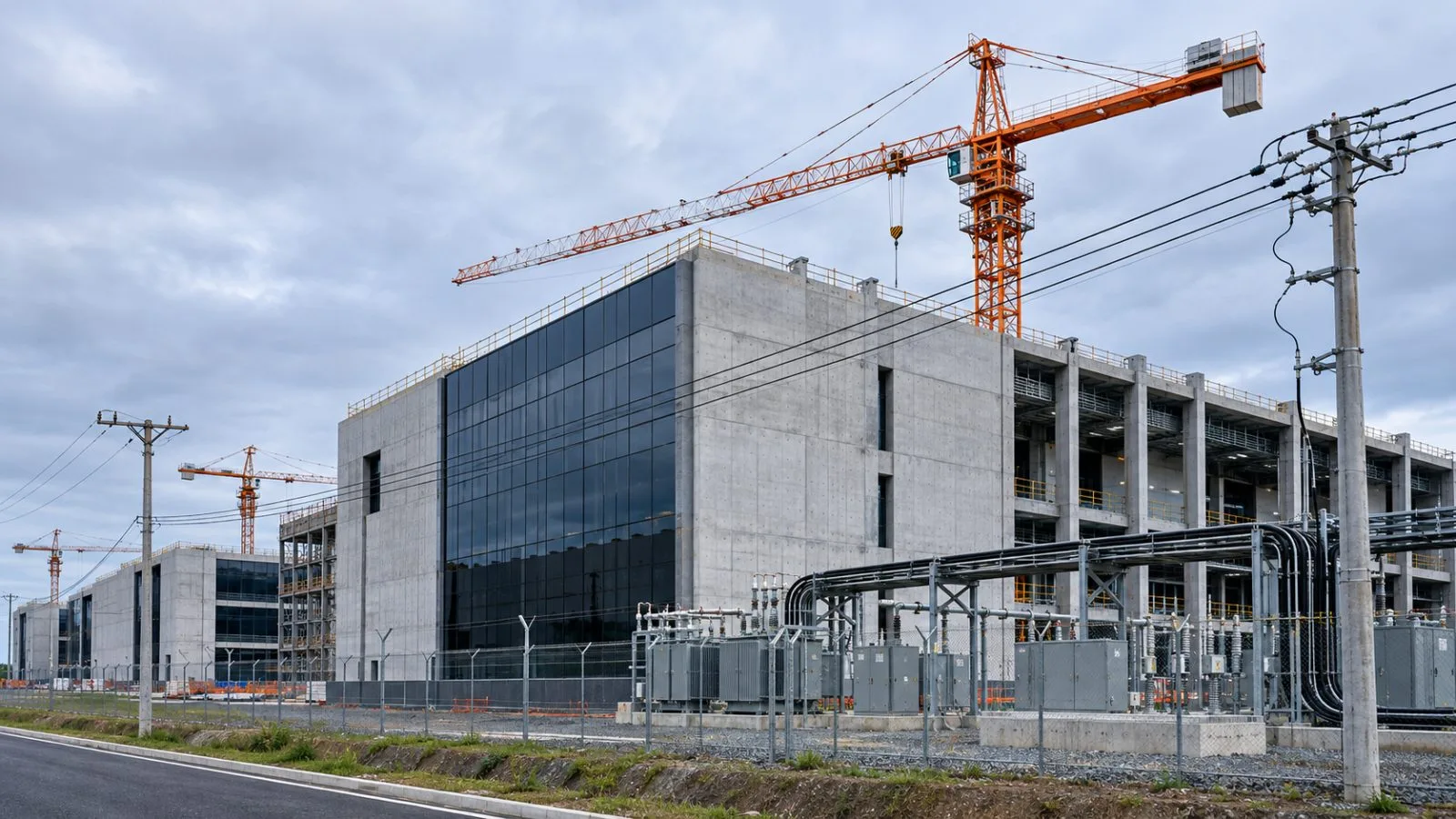
U.S. stocks extended a six-session decline Thursday as the S&P 500 shed more than $6 trillion in market value over roughly six weeks, intensifying pressure on technology and artificial intelligence-linked companies.
The index fell 2.02% to 7,175.83, leaving it about 8.2% below its Oct. 6 closing high. More than 90% of its constituents declined during the session, while the Nasdaq Composite dropped 2.25%.
The steepest losses were concentrated among companies tied to artificial intelligence infrastructure, data centers and semiconductors. CoreWeave has fallen 76% from its record high, while Oracle is down 68%, SanDisk 67.9%, Nebius 67.7% and Western Digital 62.9%. Intel and Arm have each declined 60.9%.
Marvell is down 58%, Robinhood 55.4% and Seagate 54.5%. Micron has fallen 45%, Nvidia 40%, SpaceX 38.7% and Qualcomm 37.7%.
The declines continued even as Anthropic completed its first trading session at $97.17, up 17.1% from its offering price. Nvidia rose as much as 4.7% intraday before reversing to close down 3.3%.
Nathan Peterson, head of derivatives research and strategy at Charles Schwab, said artificial intelligence stocks showed signs of being oversold in the short term, but investors were still selling into rebounds. He said it was too early to determine whether the selloff had ended.
Constituents of the Nasdaq 100 have lost about $2 trillion in combined market value so far this month. The pressure has spread across artificial intelligence cloud providers, data-center companies and semiconductor stocks as investors reassess capital spending and the costs associated with rising depreciation.
Some strategists remain constructive on the medium-term outlook. Mike Wilson, Morgan Stanley’s chief U.S. equity strategist, said the S&P 500 could retest 7,100 to 7,300 before year-end while describing the decline as a correction within a bull market. He raised his 12-month target to 8,700.
The S&P 500 is projected to deliver about an 18% total return by the end of 2027. Next year’s gains would depend more on corporate earnings growth than higher valuations as artificial intelligence capital-spending growth slows and depreciation expenses rise.
Enna Lee
ReporterEnna Lee reports on investing and digital-asset markets for TokenPost. Send corrections or tips to info@tokenpost.com.