

 News
News  Coin Information
  About us
  Customer Service


 Add as a preferred source on Google


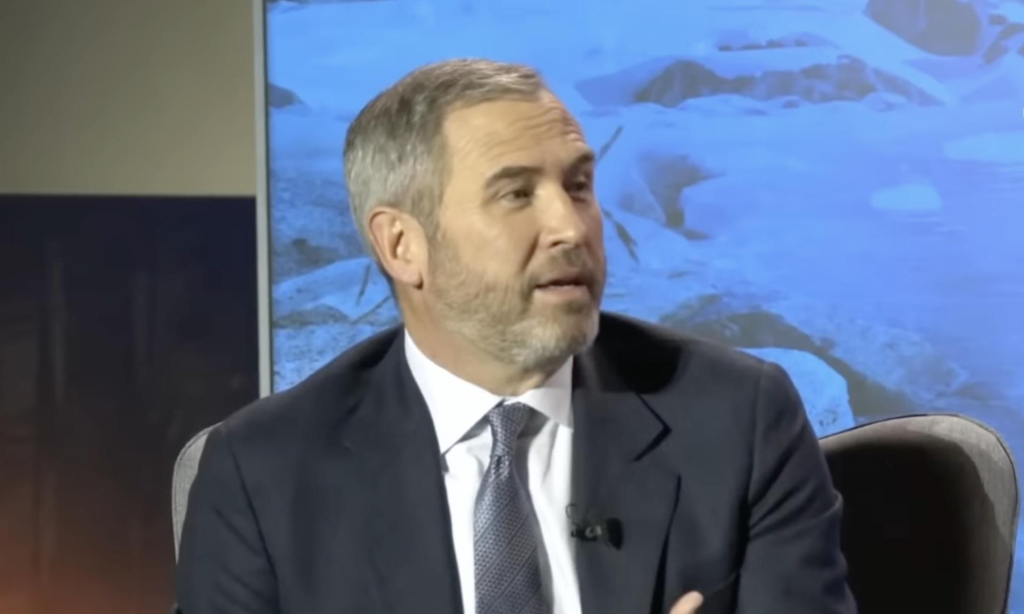
Coinbase (COIN) is expanding its role in the digital asset ecosystem by collaborating with several major U.S. banks on pilot programs involving stablecoins, crypto custody, and trading, according to CEO Brian Armstrong at the New York Times DealBook Summit. While he did not name specific institutions, Armstrong emphasized that leading banks view crypto as a strategic opportunity, warning that those resisting innovation risk being “left behind.” His remarks highlight a growing, if understated, shift toward blockchain integration among mainstream financial institutions despite ongoing regulatory pressure.
Stablecoins, which are digital assets backed by cash or similar reserves, are emerging as a cornerstone of banks’ exploration into tokenized finance. Coinbase projects that the stablecoin market could surge to $1.2 trillion by 2028, driven by rising demand for faster, more efficient global payments. Citi, which has previously revealed plans to work with Coinbase on stablecoin-based payment solutions, estimates the market could reach as high as $4 trillion by 2030 under favorable conditions. These forecasts reflect expanding confidence in stablecoins as essential financial infrastructure rather than speculative tools.
Armstrong’s discussion with BlackRock CEO Larry Fink also touched on shifting attitudes toward bitcoin. Fink, once a vocal critic, now views bitcoin as a hedge against geopolitical uncertainty, inflation, and escalating national debt. He noted that bitcoin ownership is increasingly tied to personal and financial security rather than short-term speculation. Despite recent price declines, both Fink and Armstrong reiterated bitcoin’s long-term value, with Armstrong stating there is “no chance” the asset will fall to zero.
Armstrong also urged U.S. lawmakers to advance clearer regulatory frameworks, including the proposed CLARITY Act, which seeks to define the roles and obligations of crypto exchanges, token issuers, and other digital asset participants. Clearer rules, he said, are essential for enabling responsible innovation and strengthening the U.S. position in the global crypto economy.










Comment 0