

 News
News  Coin Information
  About us
  Customer Service


 Add as a preferred source on Google

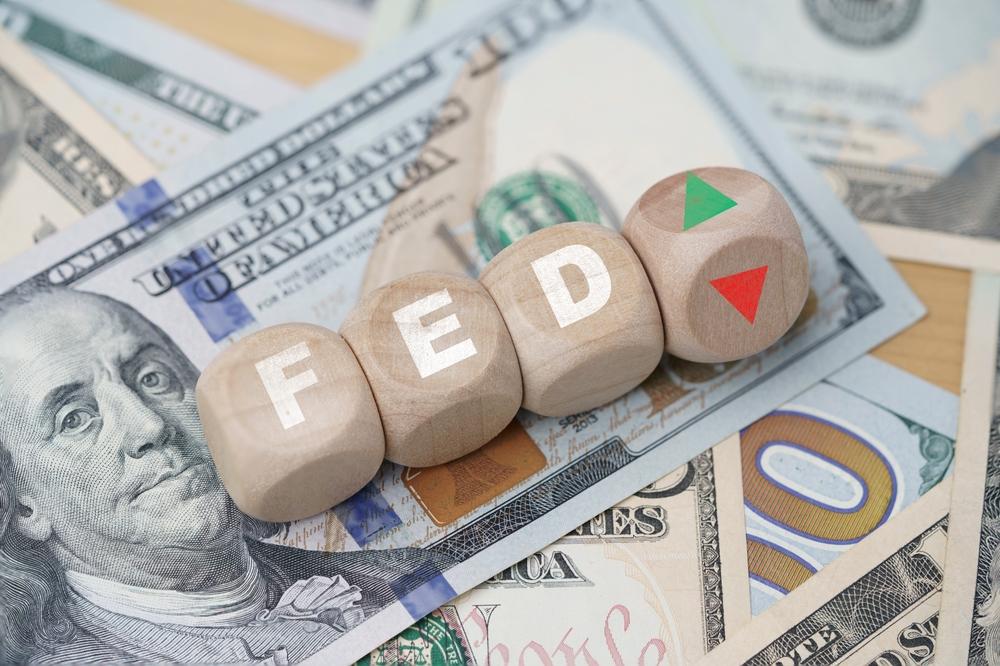
Kevin Warsh has emerged as the leading market favorite to become the next Federal Reserve Chair, according to prediction markets, after President Donald Trump confirmed he has already chosen Jerome Powell’s successor but is not ready to reveal the name. This development has fueled speculation across financial and crypto markets, with investors closely watching shifts in betting odds as a signal of future monetary policy direction.
Data from Polymarket shows Kevin Warsh clearly ahead of other potential candidates. Kevin Hassett is currently positioned as the closest competitor, while Christopher Waller and Rick Rieder trail further behind. Rieder’s odds reportedly improved after news surfaced that Trump had interviewed him for the role, giving him temporary visibility in the race. However, markets appear to favor Warsh as the most likely pick, reflecting expectations of a shift toward more rate-friendly Federal Reserve leadership.
Warsh previously served as a Federal Reserve governor and has extensive experience in monetary policy. He was also a near pick during Trump’s first term, which adds credibility to current market expectations. His past policy views are generally associated with lower interest rates, aligning with investor hopes for easier financial conditions and stronger market liquidity.
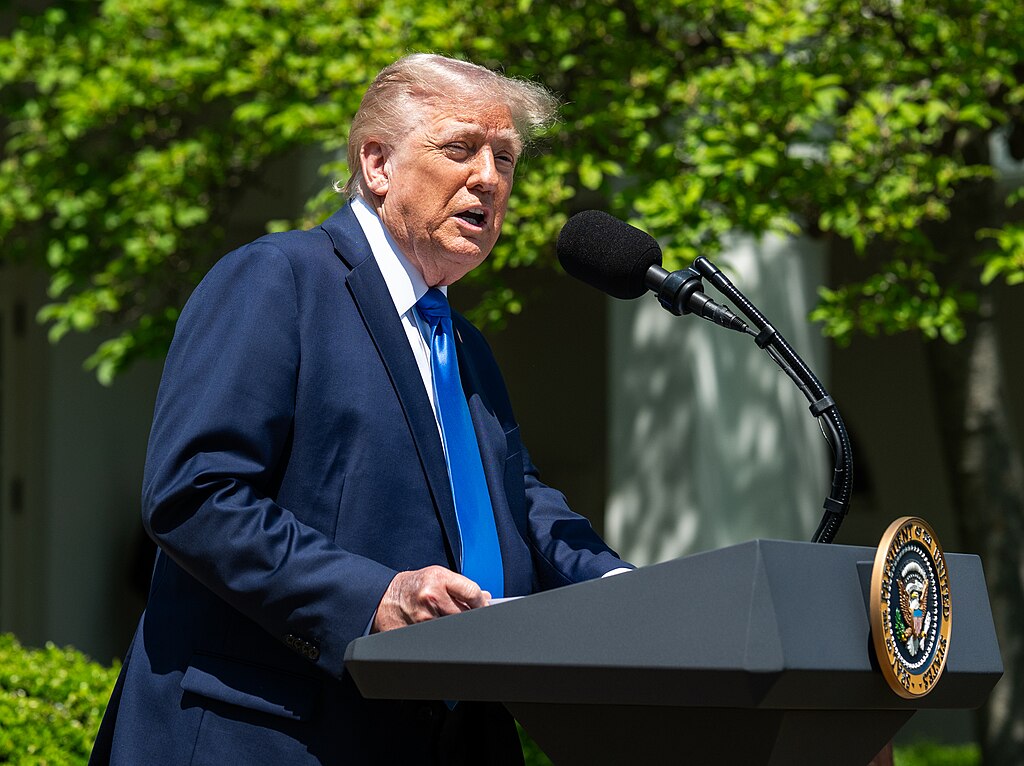
Trump’s recent interview comments further intensified speculation. While he declined to name his chosen successor and refused to comment directly on Kevin Hassett, he confirmed that he has already made a decision. Trump has repeatedly criticized Jerome Powell’s leadership and has been vocal about his preference for lower borrowing costs, arguing that current interest rate policies do not sufficiently support economic growth.
These remarks have raised questions about the Federal Reserve’s independence, as the central bank is designed to operate free from political influence. Regardless of who is selected, the next Fed Chair will face major challenges, including managing inflation, maintaining employment stability, and safeguarding financial markets during a sensitive economic period.
















Comment 0