

 News
News  Coin Information
  About us
  Customer Service


 Add as a preferred source on Google

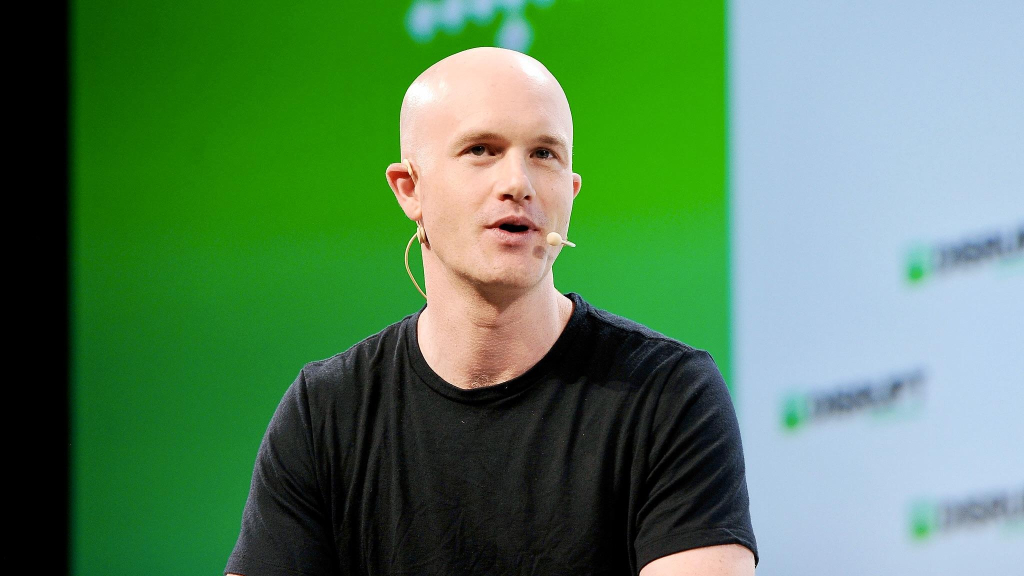
During the World Economic Forum in Davos, Coinbase CEO Brian Armstrong revealed a striking shift in sentiment among global financial institutions, saying a top executive at one of the world’s 10 largest banks described crypto as their “number one priority” and an “existential” issue. Armstrong shared the insight in a post on X, highlighting how rapidly traditional banks are rethinking their stance on digital assets as crypto infrastructure matures and regulation inches closer to clarity.
Although Armstrong did not disclose the bank or executive, he emphasized that many financial leaders he met during the weeklong Davos gathering were not merely open to crypto but actively exploring ways to integrate it into their businesses. According to Armstrong, most legacy finance executives now view crypto as a major opportunity rather than a threat, especially as payment systems, settlement layers, and capital markets evolve beyond traditional rails.
One of the most discussed topics at Davos, Armstrong noted, was tokenization. While stablecoins remain a core focus, conversations are expanding into tokenized equities, credit, and other financial products. As tokenized assets gain traction, banks face the growing risk of disintermediation, where fintech firms or asset managers could offer direct access to digital securities and instant value transfer without relying on banks as middlemen. Armstrong argued that tokenization could also unlock access to investments for roughly 4 billion “unbrokered” adults worldwide, helping close long-standing gaps in global financial inclusion. He suggested that meaningful progress in this area could arrive as soon as 2026.
Regulation was another key theme. Armstrong said political support for crypto in the United States appears to be strengthening, pointing to the Trump administration’s push for crypto-focused legislation such as the CLARITY Act. He described the U.S. as potentially becoming the most crypto-forward government globally, stressing that regulatory clarity is critical for maintaining competitiveness as countries like China invest heavily in stablecoin infrastructure.
Armstrong also highlighted the close relationship between artificial intelligence and crypto, calling them the two most talked-about technologies at Davos. He suggested that AI agents will naturally gravitate toward stablecoins for payments, bypassing traditional banking systems and identity checks. His overall message was clear: crypto is no longer a fringe experiment. For major banks and global financial players, it is increasingly seen as a strategic priority and, for some, a matter of survival.


















Comment 0