

 News
News  Coin Information
  About us
  Customer Service


 Add as a preferred source on Google

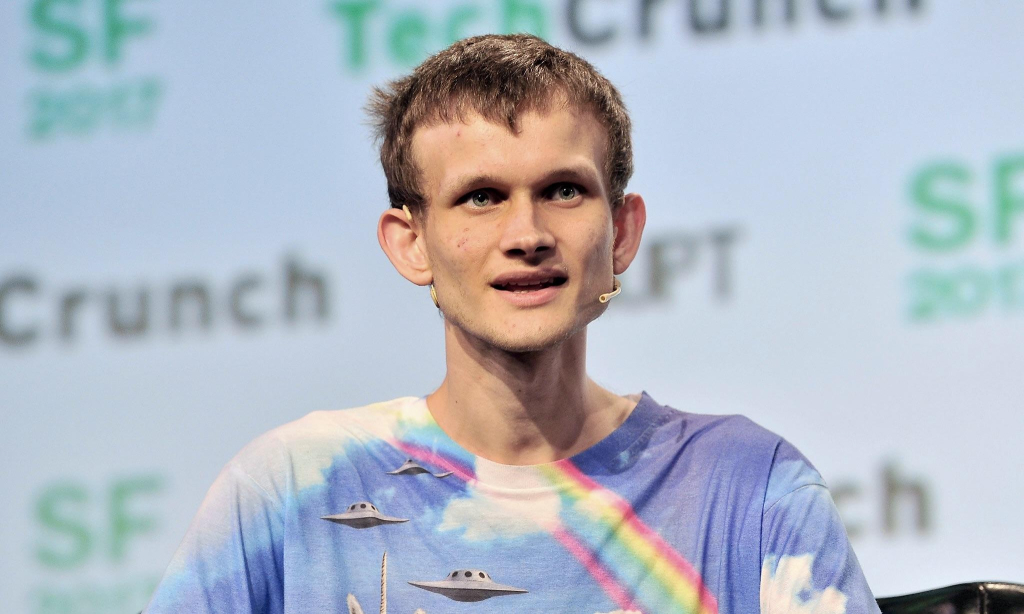
Ethereum co-founder Vitalik Buterin has introduced a forward-thinking framework for crypto security that focuses on reducing the gap between user intent and system behavior. As crypto platforms continue to battle wallet hacks, smart contract exploits, and growing privacy concerns, Buterin’s approach emphasizes redundancy, multi-angle verification, and human-centered design to strengthen blockchain security without sacrificing usability.
Buterin argues that perfect security is impossible, not because of flawed machines or developers, but because human intent itself is highly complex. Even a simple transaction, such as sending 1 ETH to another user, depends on assumptions about wallet ownership, blockchain integrity, network forks, and shared context. When privacy enters the equation, the challenge grows even deeper. Metadata, transaction timing, and behavioral patterns can unintentionally expose sensitive information, making it difficult to differentiate between minor errors and catastrophic losses.
To address these risks, Buterin advocates building systems that verify user intent through multiple overlapping mechanisms. This redundancy ensures that actions are only executed when several independent checks align. For example, programming languages use strict type systems to confirm that data structures and logic match expectations before compiling. In crypto, formal verification techniques mathematically confirm that smart contracts behave as intended, while transaction simulations allow users to preview on-chain outcomes before approving them.
Additional safeguards such as multisignature wallets and social recovery mechanisms distribute authority across multiple keys, reducing single points of failure. Post-assertions can further verify that completed transactions produce the expected results, adding another layer of protection.
Buterin also sees potential in integrating artificial intelligence into blockchain security. Large language models can act as a “simulation of intent,” identifying unusual patterns or suspicious activity. While he cautions that AI should never serve as the sole decision-maker, it can function as another verification layer within a broader security architecture.
Importantly, Buterin stresses that crypto security must balance protection with usability. Low-risk transactions should remain seamless, while higher-risk actions—such as transferring large sums or sending funds to new addresses—should trigger additional verification steps. By combining redundancy, AI-assisted monitoring, and thoughtful user experience design, crypto platforms can minimize risk, protect digital assets, and build long-term trust in decentralized systems.



















Comment 0