

 News
News  Coin Information
  About us
  Customer Service


 Add as a preferred source on Google

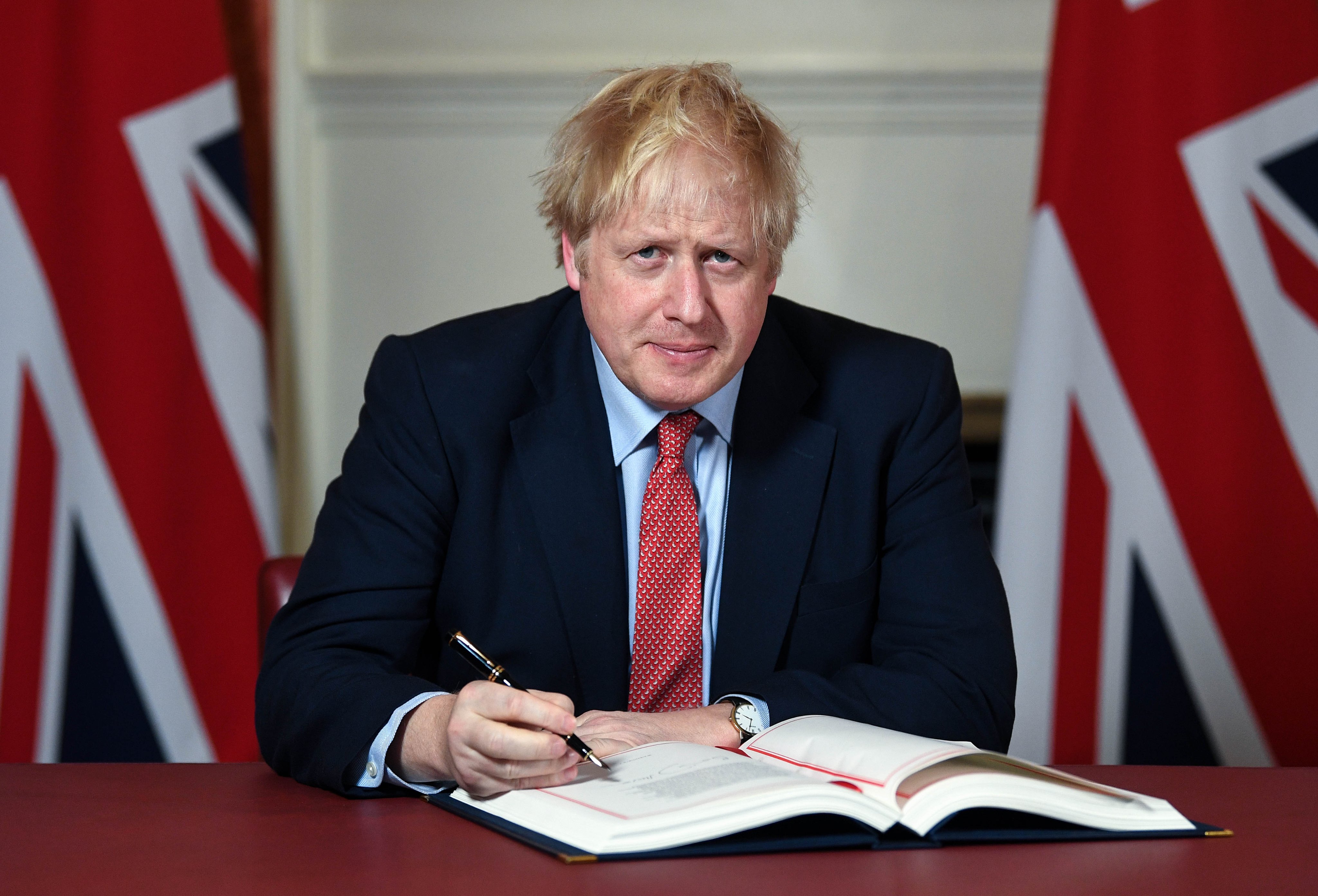
Former UK Prime Minister Boris Johnson has publicly criticized the cryptocurrency industry, describing Bitcoin as a "giant Ponzi scheme" in a recent Daily Mail column. Johnson argues that digital assets have no intrinsic value and operate purely on the "greater fool" theory — the idea that investors profit only by selling to someone willing to pay even more. He also warned that ordinary people are becoming increasingly vulnerable to crypto-related fraud.
In a series of striking comparisons, Johnson weighed Bitcoin against traditional stores of value. While he acknowledged that fiat currencies lose purchasing power over time due to government spending, he noted they are at least backed by state authority — a tradition stretching back to Roman coins bearing Caesar's image. He also expressed an understanding of gold's enduring appeal and even the tangible collectible value of vintage Pokémon cards. Bitcoin, by contrast, he dismissed as merely a "string of numbers" sustained by collective belief alone.
Johnson took direct aim at decentralization, often celebrated as cryptocurrency's defining strength, reframing it instead as its most critical vulnerability. Without a central authority, he argued, there is no accountability when value collapses — no central banker to dismiss, no government to hold responsible at the ballot box.
The criticism carries a notable irony. During Johnson's own tenure as Prime Minister, his government actively courted the crypto industry. In April 2022, then-Chancellor Rishi Sunak unveiled plans to position the United Kingdom as a global hub for cryptoasset technology and investment — a direct contradiction to the skepticism Johnson now publicly voices.
As Bitcoin continues to attract both institutional interest and retail speculation, Johnson's remarks add a prominent political voice to an ongoing global debate over the long-term legitimacy and safety of digital assets as an investment class.
















Comment 0