
Kevin Warsh Confirmed as Fed Chair as Congress Pushes to Change Federal Reserve Mandate
The U.S. Senate has officially confirmed Kevin Warsh as the next Chair of the Federal Reserve, marking a major shift in U.S. monetary policy leadership. Senators approved Warsh in a 54-45 vote, just one day after conf…

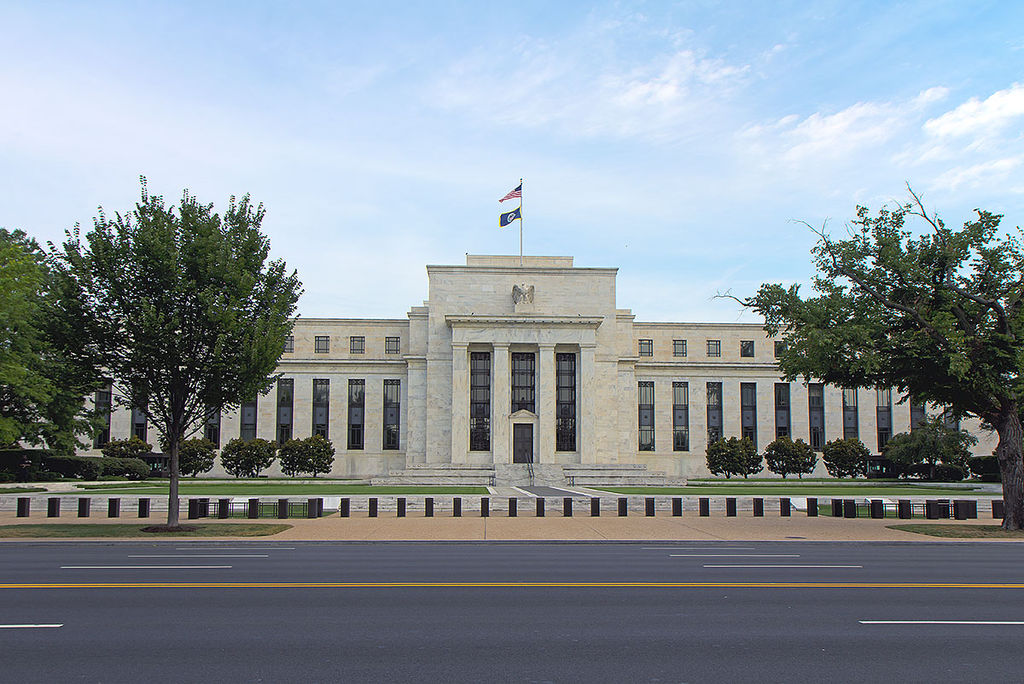
The U.S. Senate has officially confirmed Kevin Warsh as the next Chair of the Federal Reserve, marking a major shift in U.S. monetary policy leadership. Senators approved Warsh in a 54-45 vote, just one day after confirming him as a member of the Federal Reserve Board of Governors. He will replace Jerome Powell, whose term as Fed chair ends on May 15, 2026.
Warsh, widely viewed as a pro-crypto and market-friendly figure, takes over at a critical moment for the U.S. economy and digital asset industry. His appointment comes amid growing political pressure on the Federal Reserve from President Donald Trump, who has repeatedly called for lower interest rates. Despite tensions between the White House and the Fed, Warsh has emphasized that he intends to preserve the central bank’s independence and will not serve as a political “sock puppet.”
In an unusual move, Jerome Powell is expected to remain on the Federal Reserve Board even after stepping down as chair. Historically, most Fed chairs resign from the board once their leadership term ends.
The confirmation also arrives as House Republicans move to eliminate the Federal Reserve’s dual mandate, which currently requires the central bank to manage both inflation and employment. A bill advancing through the House Financial Services Committee would direct Warsh and the Fed to focus primarily on controlling inflation.
The proposed change could result in a more hawkish monetary policy stance, potentially impacting crypto prices and broader financial markets. Investors are already pricing in steady interest rates through 2026 after recent inflation data showed U.S. Producer Price Index (PPI) inflation climbing 6% in April, the highest level since January 2026.
Analysts also warn that rising geopolitical tensions, including the ongoing U.S.-Iran conflict and higher energy prices, could increase inflationary pressure and even force the Federal Reserve to consider future rate hikes.
Riza Dagoc
Riza Dagoc reports on regulation, investing and the digital-asset business for TokenPost. Send corrections or tips to info@tokenpost.com.