

 News
News  Coin Information
  About us
  Customer Service


 Add as a preferred source on Google


Bitcoin pioneer and Blockstream CEO Adam Back has once again questioned the economic model behind GRAM, the cryptocurrency closely linked to Telegram founder Pavel Durov. His comments surfaced on the same day The Open Network (TON) officially restored its token's original name, GRAM.
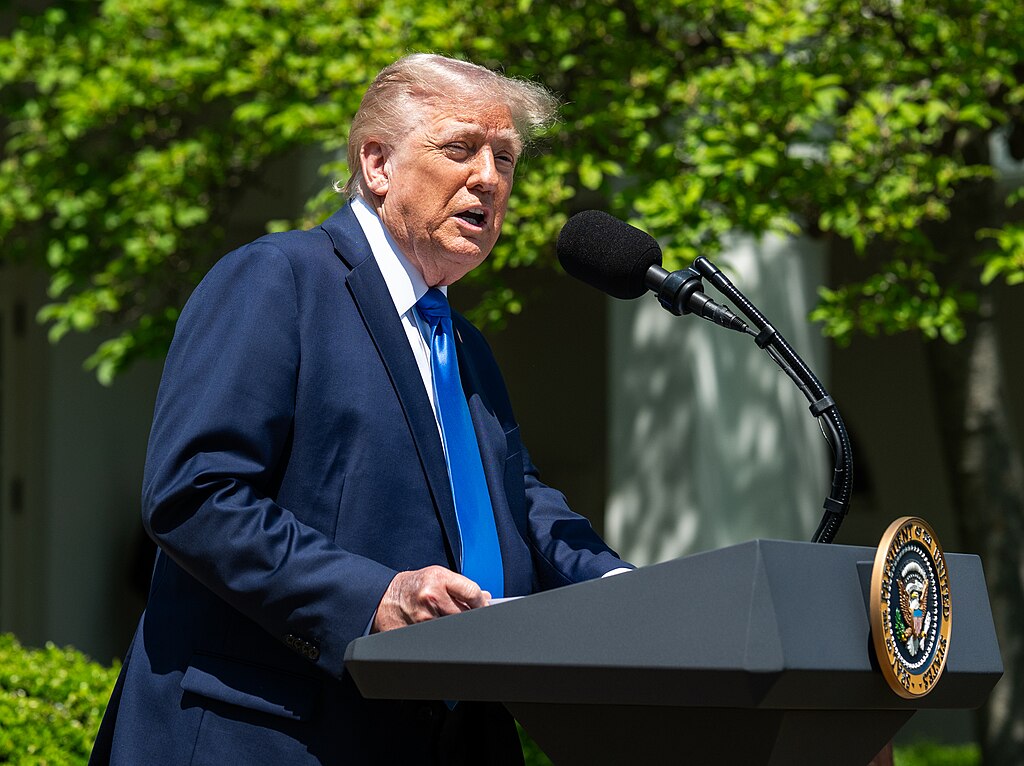
The discussion began after Durov shared a post criticizing fiat currencies and supporting Bitcoin's fixed supply model. The Telegram founder remarked that governments continue printing money endlessly, while Bitcoin remains scarce because no one can create more of it beyond its predefined issuance schedule.
Back responded with a brief but pointed comment on social media, writing: "someone is printing GRAM though eh :)." The remark appeared to challenge the tokenomics of GRAM and highlight concerns about token issuance within blockchain ecosystems. As of now, Durov has not publicly replied to the statement.
Adam Back's criticism is not new. The renowned cypherpunk has expressed skepticism toward Telegram's cryptocurrency ambitions for years. During Telegram's legal dispute with the U.S. Securities and Exchange Commission (SEC) in 2020, Back openly criticized the project's initial coin offering (ICO), describing it as a "naked money grab."
At the time, he argued that purchasers of Gram tokens were not receiving the same protections or ownership rights typically associated with traditional venture capital investments. However, Back also questioned the SEC's approach, suggesting that regulators treated Telegram far more harshly than other blockchain projects. He famously compared the enforcement action to "shooting a mosquito with a bazooka."
Following regulatory pressure from the SEC, Telegram abandoned its original Gram project. Independent developers later continued the network under the Toncoin brand, which became the primary token of The Open Network.
The latest exchange between Back and Durov comes as the TON community voted to restore the GRAM name. More than 81% of participating voters supported the rebranding, bringing the cryptocurrency back to the identity first introduced in 2018.






Comment 0