

 News
News  Coin Information
  About us
  Customer Service


 Add as a preferred source on Google


Coinbase (COIN), one of the largest cryptocurrency exchanges in the United States, has launched legal action against state authorities in Connecticut, Illinois, and Michigan over efforts to regulate prediction markets. The lawsuits come as Coinbase prepares to expand its platform by offering prediction markets through a partnership with Kalshi, a federally regulated exchange.
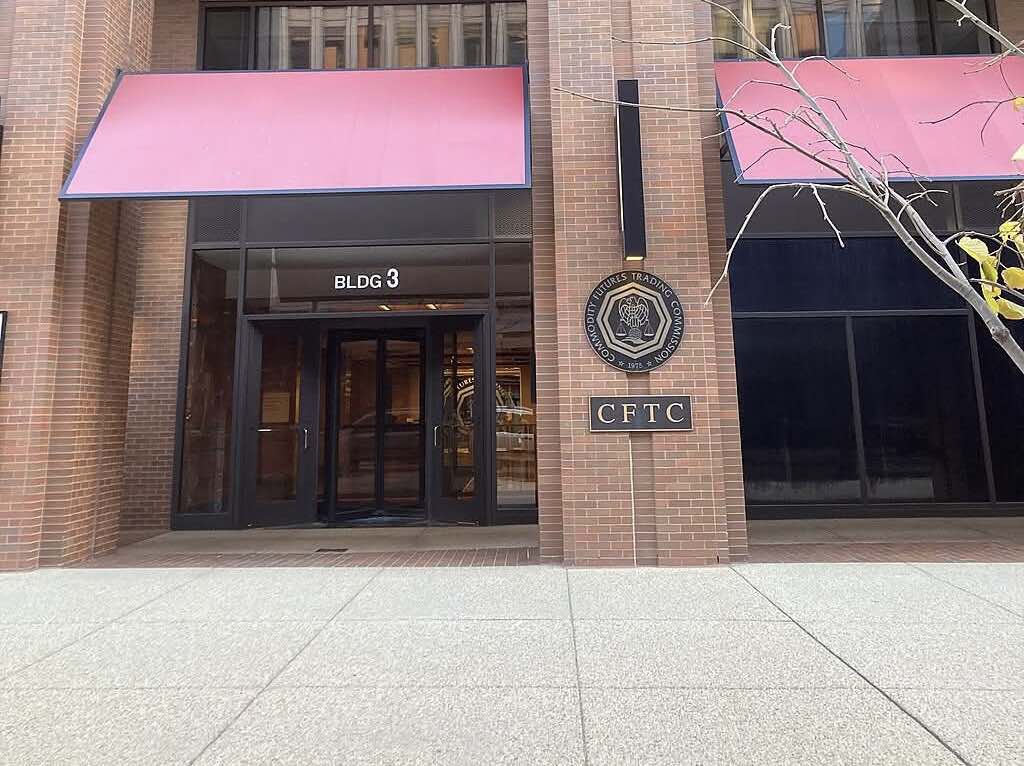
According to Coinbase, prediction markets fall squarely under the jurisdiction of the U.S. Commodity Futures Trading Commission (CFTC), not state-level gaming regulators. In a post shared on X, Coinbase Chief Legal Officer Paul Grewal said the lawsuits were filed to “confirm what is clear” under existing federal law: that prediction markets are derivatives regulated at the federal level.
Prediction markets allow users to buy and sell contracts tied to the outcome of future events, such as election results, sporting events, or interest rate decisions. The price of each contract reflects market expectations about the likelihood of a specific outcome. Because the value of these contracts depends on future events, Coinbase argues they meet the legal definition of derivatives, which places them under the CFTC’s exclusive authority.
State gaming regulators, however, have attempted to block or restrict these markets, claiming they constitute a form of gambling similar to sportsbooks. Coinbase strongly disputes this comparison. Grewal emphasized that prediction markets operate as neutral exchanges that simply match buyers and sellers, rather than setting odds or profiting directly from user losses, as traditional casinos do.
In its Illinois filing dated December 18, Coinbase stated that the lawsuit seeks to prevent the state from applying gambling laws to transactions already governed by uniform federal regulations. The company argues that Congress intentionally designed the commodities framework to give the CFTC broad oversight, excluding only a narrow set of underliers while leaving everything else under federal control.
Coinbase warns that state-level interference could stifle innovation in financial markets and create regulatory confusion. As the exchange continues to push for clearer rules around crypto derivatives and prediction markets, the outcome of these lawsuits could have significant implications for how such products are regulated across the United States.


















Comment 0