

 News
News  Coin Information
  About us
  Customer Service


 Add as a preferred source on Google

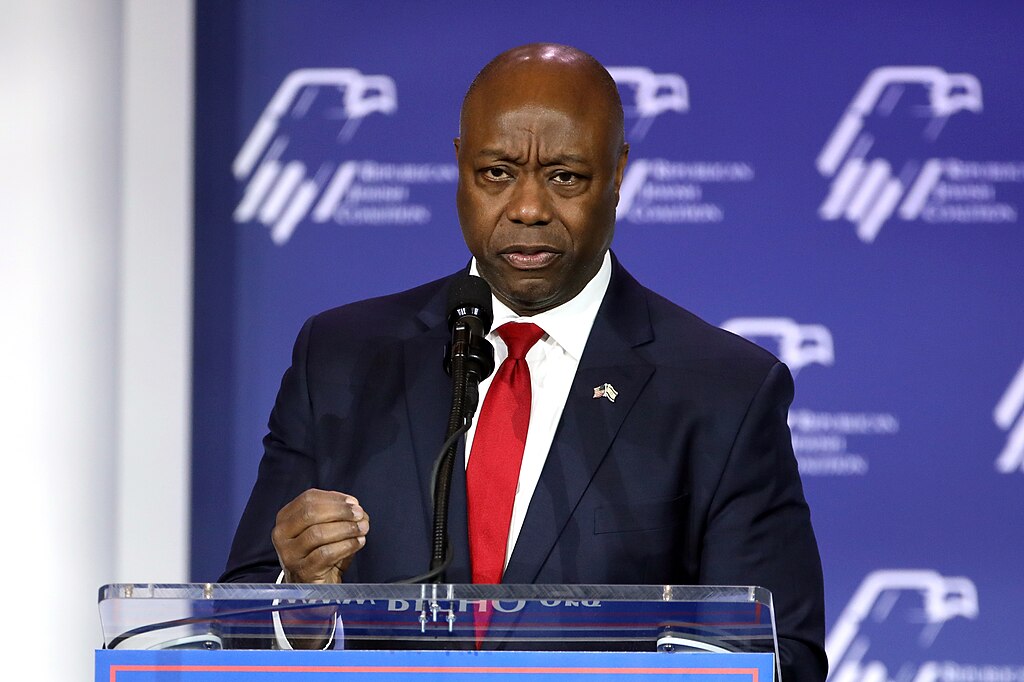
Congressional momentum behind U.S. crypto market structure legislation has slowed further, with lawmakers now openly questioning whether there is enough time to pass the bill before election-year pressures take over. After weeks of speculation, the Senate Banking Committee confirmed it would not hold a markup hearing this year, reinforcing expectations that comprehensive digital asset market structure reform is likely delayed until 2026.
The shift in timeline is significant. What was once framed as a question of whether a market structure law could pass in 2025 has become a race against the clock to see if Congress can even advance the bill through committee stages before the midterm election cycle dominates legislative priorities. Without swift action early next year, the bill’s chances of becoming law diminish sharply.
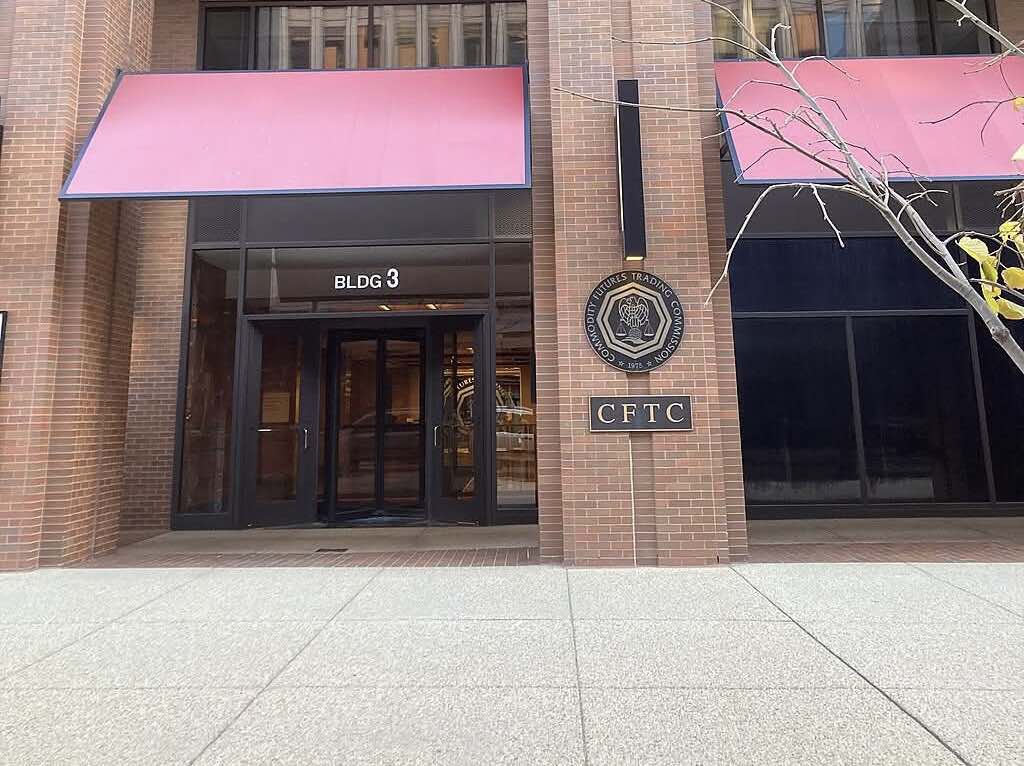
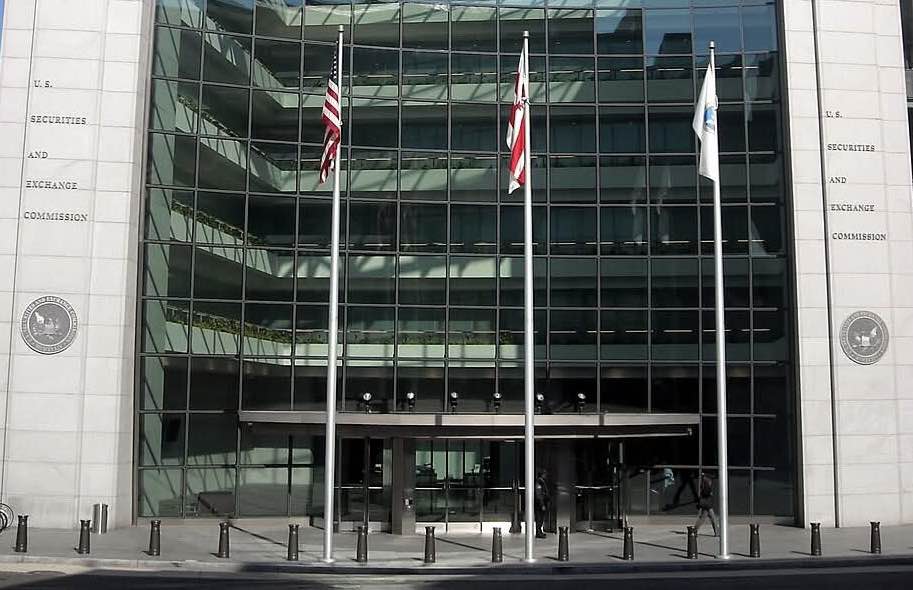
Senate Banking Chair Tim Scott emphasized the need for a bipartisan outcome, stating that negotiations will continue with hopes of a markup in early 2026. However, several unresolved issues remain central to the delay. These include how decentralized finance should be defined and regulated, how stablecoin yield is treated, whether the Securities and Exchange Commission and Commodity Futures Trading Commission will maintain bipartisan leadership, and whether Congress can impose ethics guardrails related to President Donald Trump’s family crypto ties.
DeFi regulation remains one of the most contentious topics. While the crypto industry favors minimal oversight, key Democrats argue that anti-money laundering safeguards and national security protections are essential. Lawmakers are attempting to balance innovation with enforcement, but poorly defined rules around decentralization could have lasting consequences for the broader digital asset industry.
Political dynamics further complicate the bill’s path. Democrats seeking to support crypto legislation face pressure from their party’s left wing, while Republicans risk alienating industry supporters if regulations become too restrictive. At the same time, questions about Trump’s willingness to appoint bipartisan regulators and accept ethics provisions add uncertainty to White House support.
Timing is another major obstacle. Both the Senate Banking and Agriculture Committees must advance separate drafts before reconciling differences, all while Congress confronts looming government funding deadlines and the threat of another shutdown. Insiders suggest the bill must clear the Senate by April to remain viable.
Despite the delays, the legislation is not dead. A January markup remains possible, and bipartisan interest persists. Still, as election politics intensify, the window for passing a comprehensive U.S. crypto market structure bill is rapidly narrowing.
















Comment 0