

 News
News  Coin Information
  About us
  Customer Service


 Add as a preferred source on Google

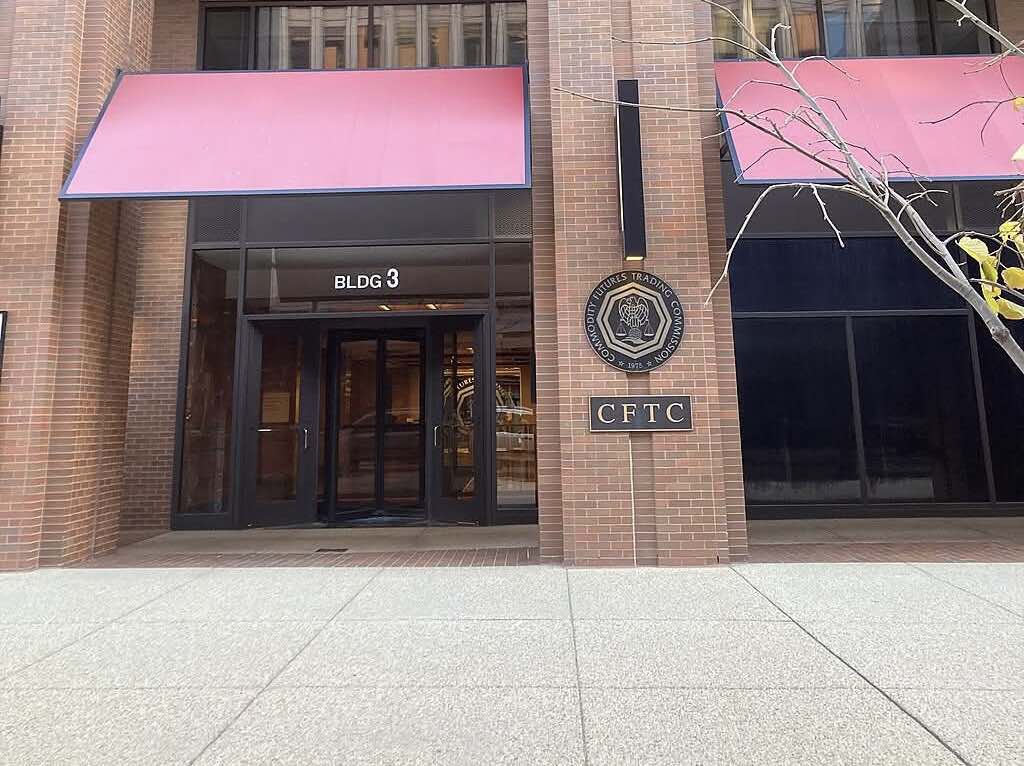
The U.S. government is officially reversing its earlier approach toward regulating prediction markets, signaling a major policy shift that benefits platforms like Kalshi and Polymarket. On Wednesday, Commodity Futures Trading Commission (CFTC) Chairman Mike Selig moved to withdraw a proposed 2024 rule that sought to ban event contracts tied to political outcomes, while also scrapping a prior advisory that had caused uncertainty across the industry.
The now-withdrawn proposal, introduced in 2024, would have prohibited prediction market contracts based on elections and other political events by categorizing them alongside activities such as war, terrorism, and assassination, which the agency deemed contrary to the public interest. However, the rule never reached final adoption before President Donald Trump returned to office and installed new leadership at the CFTC. During that same period, the agency had already been forced to allow political prediction markets after losing a legal challenge against Kalshi.
Chairman Selig criticized the earlier effort as an overreach, stating that it represented a form of “merit regulation” aimed at blocking political contracts ahead of the 2024 presidential election. He confirmed the Commission is withdrawing the proposal and will instead pursue a new rulemaking process based on a clearer interpretation of the Commodity Exchange Act. According to Selig, the goal is to promote responsible innovation in derivatives markets while staying aligned with congressional intent.
In addition, Selig rescinded a September advisory that warned platforms about potential litigation risks, acknowledging that it inadvertently created confusion for market participants. His actions follow comments made last week indicating that a revised event contracts framework was already in the works.
The policy reversal reflects the Trump administration’s more favorable stance on prediction markets and has sparked renewed interest from major players such as Coinbase and Cboe. Looking ahead, the CFTC is expected to play a central role in digital asset regulation, particularly as Congress debates crypto market structure legislation that could formally designate the agency as the primary regulator of crypto spot markets outside of securities.












Comment 0