
U.S. Confirms Strategic Bitcoin Reserve as DOJ Halts Sale of Seized BTC
The concept of a U.S. Strategic Bitcoin Reserve is now moving decisively from speculation to implementation following new confirmation from the Department of Justice (DOJ). Federal officials have verified that Bitcoin…


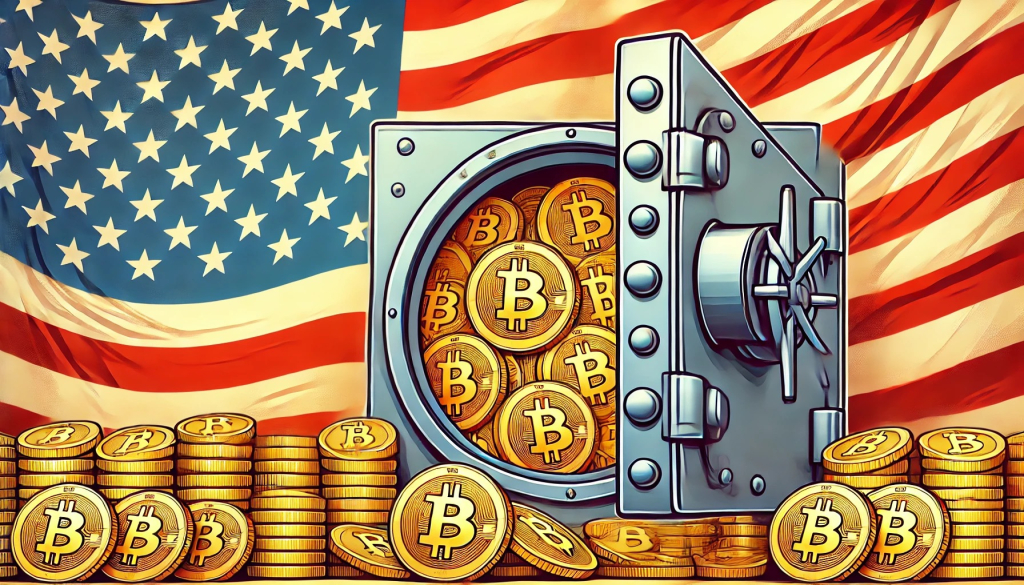
The concept of a U.S. Strategic Bitcoin Reserve is now moving decisively from speculation to implementation following new confirmation from the Department of Justice (DOJ). Federal officials have verified that Bitcoin forfeited in the Samourai Wallet case has not been sold and will not be liquidated in the future. Instead, these seized digital assets will remain on the U.S. government’s balance sheet as part of the Strategic Bitcoin Reserve framework.
The confirmation was shared by Patrick Witt, Executive Director of the President’s Council of Advisors for Digital Assets, who stated that the DOJ has verified compliance under Executive Order 14233. This executive order explicitly directs all forfeited Bitcoin to be retained by the federal government rather than sold on the open market. The announcement directly counters recent claims that the Samourai Wallet-related Bitcoin had already been liquidated following the developers’ guilty plea, which had fueled market concerns.
Historically, seized Bitcoin was typically auctioned or sold shortly after forfeiture, often injecting sudden supply into the market and contributing to price volatility. This practice had drawn criticism from lawmakers, including Senator Cynthia Lummis, who raised concerns about transparency and the market impact of government-led Bitcoin sales. The DOJ’s confirmation signals a major policy shift, reflecting a broader change in how the U.S. views digital assets.
By retaining forfeited Bitcoin as a strategic asset, the U.S. is positioning Bitcoin alongside traditional reserves and commodities, recognizing its long-term value rather than treating it solely as a confiscated asset for liquidation. This approach aligns with prior expectations expressed by industry leaders, including ARK Invest CEO Cathie Wood, regarding the potential role of Bitcoin in national reserves.
For investors, the decision helps ease fears of sudden government-driven sell-offs, which have historically been a source of uncertainty and downward price pressure. Beyond domestic markets, the move may influence global policy, as other countries often look to U.S. regulatory practices as a benchmark. Reports that nations like Taiwan are considering similar Bitcoin reserve strategies using seized assets highlight the international implications.
Overall, the DOJ’s confirmation reinforces the U.S. commitment to a coordinated Strategic Bitcoin Reserve and marks a turning point in the global treatment of seized cryptocurrency as a legitimate strategic resource.
Riza Dagoc
Riza Dagoc reports on regulation, investing and the digital-asset business for TokenPost. Send corrections or tips to info@tokenpost.com.