

 News
News  Coin Information
  About us
  Customer Service


 Add as a preferred source on Google

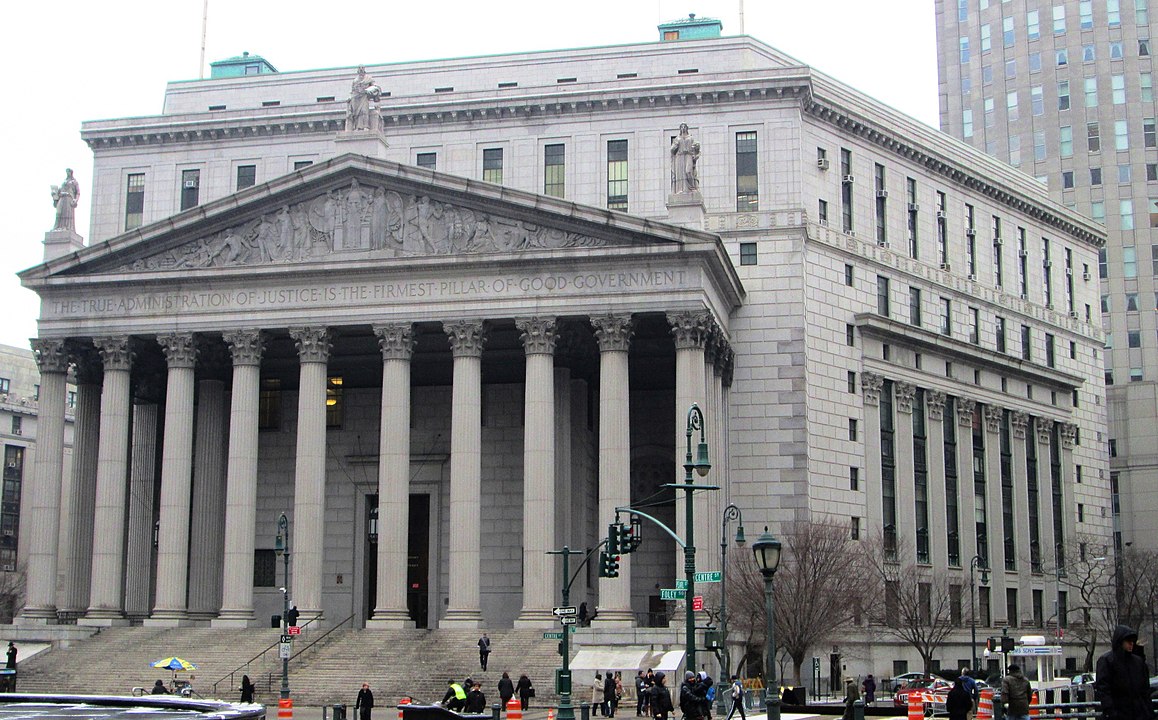
The U.S. Supreme Court has ruled that President Donald Trump lacked the authority to impose sweeping tariffs under the International Emergency Economic Powers Act (IEEPA), halting a controversial trade policy that had reshaped global markets. While financial markets reacted calmly, the broader political fallout could influence the future of U.S. crypto regulation and the progress of the Digital Asset Market Clarity Act.
Despite the setback, Trump signaled he is not retreating from his aggressive trade agenda. Calling the 6-3 decision “deeply disappointing,” he argued that other legal tools remain available to impose tariffs under different U.S. trade statutes. He announced plans to implement a new 10% global tariff, indicating that trade policy will remain a central issue in Washington.
In the short term, renewed debate over tariffs could complicate the already tight Senate timeline for passing crypto market structure legislation. The crypto industry has prioritized the Digital Asset Market Clarity Act, which aims to define regulatory oversight for digital assets and clarify the roles of agencies like the SEC and CFTC. Any political distraction or partisan escalation may delay progress on the bill.
Republican Senator Bernie Moreno criticized the ruling, arguing it weakens efforts to combat unfair trade practices. Meanwhile, Democratic Senator Elizabeth Warren praised the decision but highlighted the financial burden tariffs placed on American households, citing estimates of $1,000 to $1,300 per household in recent years. The Cato Institute suggested that billions in collected customs duties could potentially be refunded, though further litigation may be required.
Looking ahead, the 2026 midterm elections could prove pivotal for crypto policy. If Democrats gain control of the House or both chambers of Congress, the industry’s regulatory agenda may face stricter oversight and revisions. Even if the Clarity Act advances, related proposals on crypto taxation and bitcoin reserves remain politically sensitive. As trade and digital asset policy converge, the outcome of this legal and political battle could shape the future of cryptocurrency regulation in the United States.


















Comment 0