
CFTC Signals Major Shift in Prediction Market Regulation Amid Crypto Expansion
The U.S. Commodity Futures Trading Commission (CFTC) is signaling a major regulatory shift for prediction markets, according to a Bloomberg report published earlier today. Newly appointed CFTC Chair Michael Selig conf…

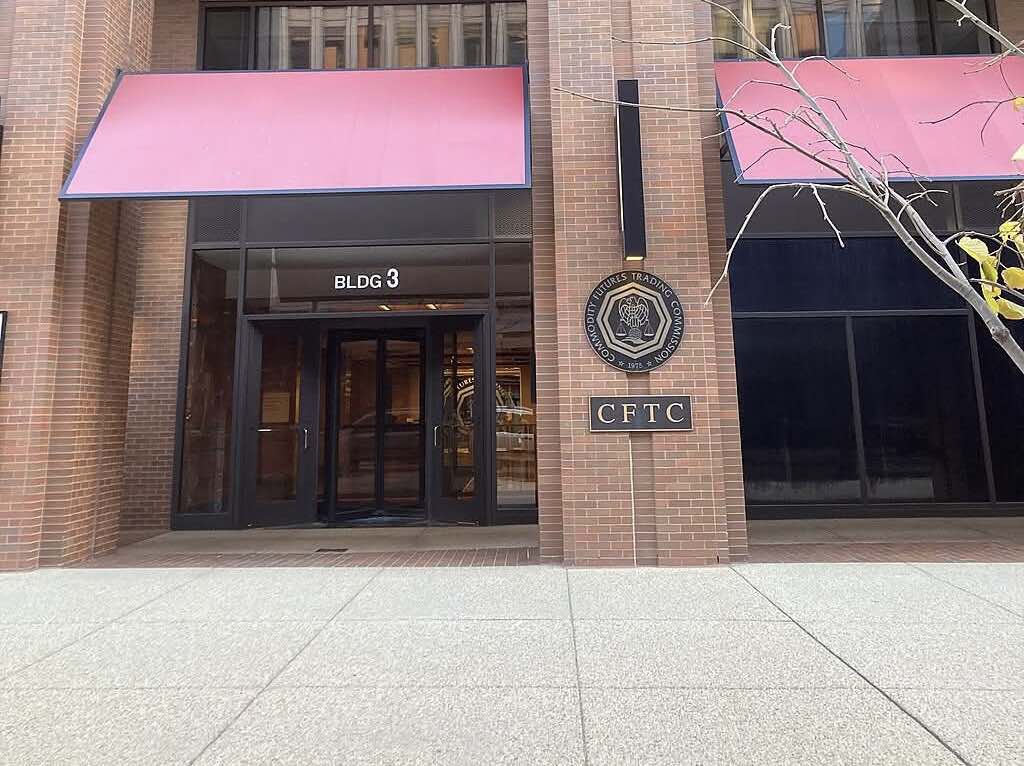
The U.S. Commodity Futures Trading Commission (CFTC) is signaling a major regulatory shift for prediction markets, according to a Bloomberg report published earlier today. Newly appointed CFTC Chair Michael Selig confirmed that the agency is moving forward with plans to establish a clearer regulatory framework for prediction markets, withdrawing its controversial 2024 proposal that sought to ban political and sports-related event contracts. The commission has also reportedly canceled a 2025 staff advisory that warned platforms against offering sports-related prediction products.
Speaking at a joint event with Securities and Exchange Commission (SEC) Chair Paul Atkins, Selig emphasized that regulatory uncertainty has hindered both market innovation and public interest. He noted that while prediction markets have existed for years, many still view them as novel or legally unsettled, creating confusion for market participants. According to Selig, the now-withdrawn advisory, originally intended to highlight ongoing litigation, instead added to instability in the prediction market ecosystem.
This policy shift comes as prediction markets gain significant traction in the crypto industry. Major crypto exchanges are increasingly entering the space, with Coinbase recently launching its own prediction markets as part of its broader strategy to become an “Everything Exchange.” Gemini has followed suit with the rollout of Gemini Predictions, underscoring the growing demand for event-based contracts tied to politics, sports, finance, and cultural outcomes.
Despite this momentum, prediction market platforms such as Kalshi and Polymarket continue to face legal challenges across several U.S. states, particularly over sports-related event contracts. State regulators argue that sports betting falls under state jurisdiction, while tribal nations have asserted sovereign rights over gambling on tribal lands. These disputes have intensified jurisdictional debates, prompting Coinbase to file lawsuits against multiple states.
Addressing these conflicts, Selig reaffirmed the CFTC’s authority, stating that the commission has both the expertise and responsibility to defend its exclusive jurisdiction over commodity derivatives. Looking ahead, he pledged closer cooperation with the SEC to modernize and harmonize financial regulations while upholding core principles such as investor protection, anti-fraud measures, anti-manipulation rules, and overall market integrity.
Riza Dagoc
Riza Dagoc reports on regulation, investing and the digital-asset business for TokenPost. Send corrections or tips to info@tokenpost.com.