

 News
News  Coin Information
  About us
  Customer Service


 Add as a preferred source on Google


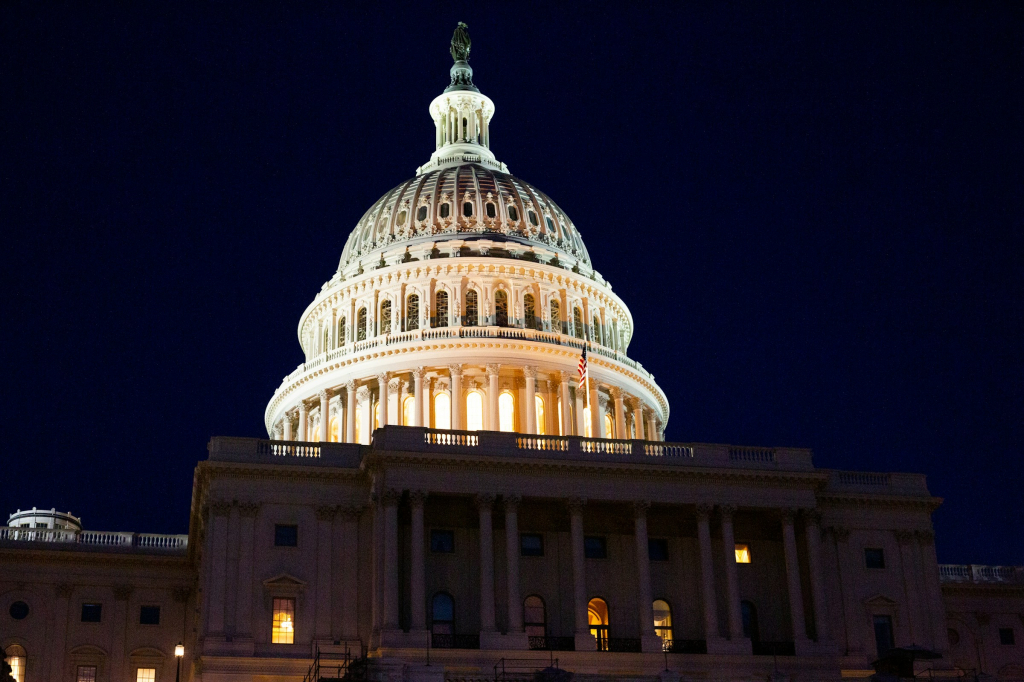
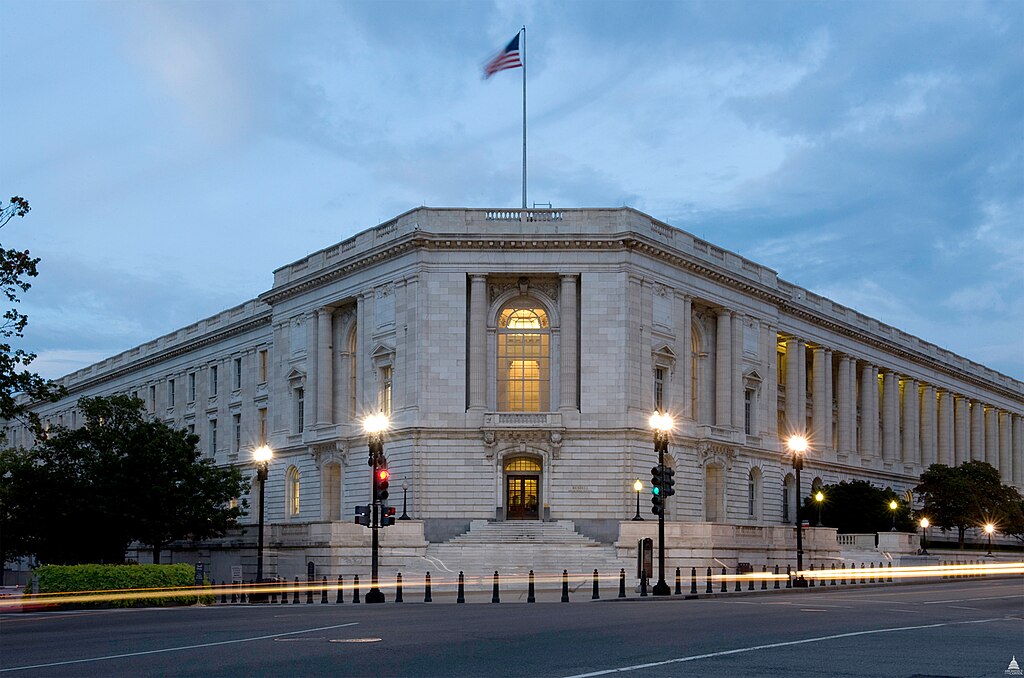
President Donald Trump’s negotiators are refusing to support provisions in a major U.S. Senate crypto market structure bill that would directly target the president or his family over digital asset business ties, a demand that has become a key sticking point for Senate Democrats. The disagreement is slowing progress on legislation seen as critical for shaping how the U.S. cryptocurrency industry will be regulated.
Patrick Witt, executive director of the President’s Council for Advisors for Digital Assets, said earlier Democratic proposals on ethics rules crossed clear boundaries. Speaking to CoinDesk TV at the Ondo Summit in New York, Witt described some ideas, including those attributed to Senator Adam Schiff of California, as unreasonable. He emphasized that the White House has drawn firm “red lines” against any language singling out the president or his relatives, arguing that the bill is about market structure, not ethics enforcement.
Despite the tension, Witt said he remains optimistic that Democrats may offer revised proposals that are closer to a workable compromise. He suggested that while negotiations are difficult, an agreement is still possible if lawmakers focus on governing the crypto market rather than targeting individuals.
The talks extend beyond ethics. Witt recently led a meeting between crypto policy experts and U.S. banking representatives, where disagreements over stablecoin yields surfaced. Crypto industry participants reportedly left frustrated, feeling banks have yet to propose a clear path forward. According to Witt, the White House is attempting to balance concerns from traditional banks about deposit protection while allowing innovation in stablecoin products.
Securing Democratic support remains the biggest hurdle. Senate Democrats continue to push for restrictions on crypto involvement by senior government officials and their families. Witt noted that earlier drafts limiting spouses’ industry participation could have affected many lawmakers’ households, making them politically difficult.
With Senate passage typically requiring 60 votes, bipartisan backing is essential. The White House has urged industry leaders to finalize compromise proposals by the end of February. As midterm elections approach, delays could significantly reduce the chances of passing comprehensive crypto regulation this year.















Comment 0