
SEC Clarifies That Tokenized Securities Remain Subject to U.S. Securities Laws
Putting a security on a blockchain does not change its legal status, according to a new joint staff statement issued Wednesday by three divisions of the U.S. Securities and Exchange Commission. The Divisions of Corpor…


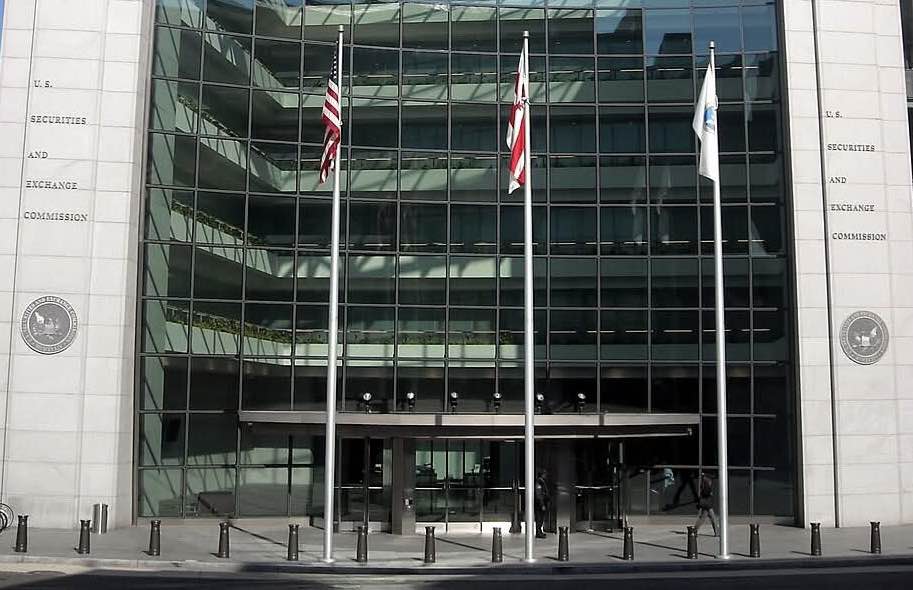
Putting a security on a blockchain does not change its legal status, according to a new joint staff statement issued Wednesday by three divisions of the U.S. Securities and Exchange Commission. The Divisions of Corporation Finance, Trading and Markets, and Investment Management emphasized that tokenized securities are still subject to the same federal securities laws and registration requirements as traditional financial instruments.
In the statement, the SEC made clear that the technological format of a security—whether issued or recorded on-chain or off-chain—does not alter how securities laws apply. Tokens that represent securities remain securities under U.S. law, regardless of whether ownership records are maintained through a blockchain or a conventional database. The agency stressed that the method of recordkeeping alone does not provide a regulatory exemption.
On-chain transactions, the SEC explained, simply refer to securities transfers recorded directly on a blockchain or distributed ledger instead of traditional systems. Issuers may choose to offer tokenized securities either as a separate class or alongside conventional shares. If a tokenized security carries substantially similar rights, privileges, and economic characteristics as a traditional security, it may be treated as the same class under federal securities laws, irrespective of its digital format.
The SEC noted that the primary operational difference lies in how the master securityholder file is maintained. Instead of using off-chain databases, issuers or their agents may rely on one or more crypto networks to track ownership. However, this structural shift does not affect compliance obligations, disclosure requirements, or investor protections.
The guidance arrives as the SEC’s approach to crypto enforcement has evolved under the Trump administration. Over the past year, the agency has dropped or closed more than a dozen crypto-related cases, including actions involving token issuances, staking programs, and digital asset platforms. Despite this shift, the SEC reiterated that existing securities laws continue to apply to tokenized assets.
At the same time, the statement avoids addressing whether crypto-native products such as staking tokens or certain blockchain-based services qualify as securities in the first place. High-profile examples like Ethereum highlight this unresolved issue, as the SEC previously investigated Ethereum 2.0 as a potential security before closing the probe without enforcement.
Overall, the SEC’s message reinforces regulatory continuity: blockchain technology may change how securities are issued and recorded, but it does not change the legal framework governing them.
Riza Dagoc
Riza Dagoc reports on regulation, investing and the digital-asset business for TokenPost. Send corrections or tips to info@tokenpost.com.