
Coinbase CEO Blames Banking Trade Groups for Stalling Crypto Market Structure Bill
Coinbase CEO Brian Armstrong says banking trade groups—not individual banks—are the primary reason negotiations over U.S. crypto market structure legislation have stalled. Speaking at the World Liberty Forum at Mar-a-…

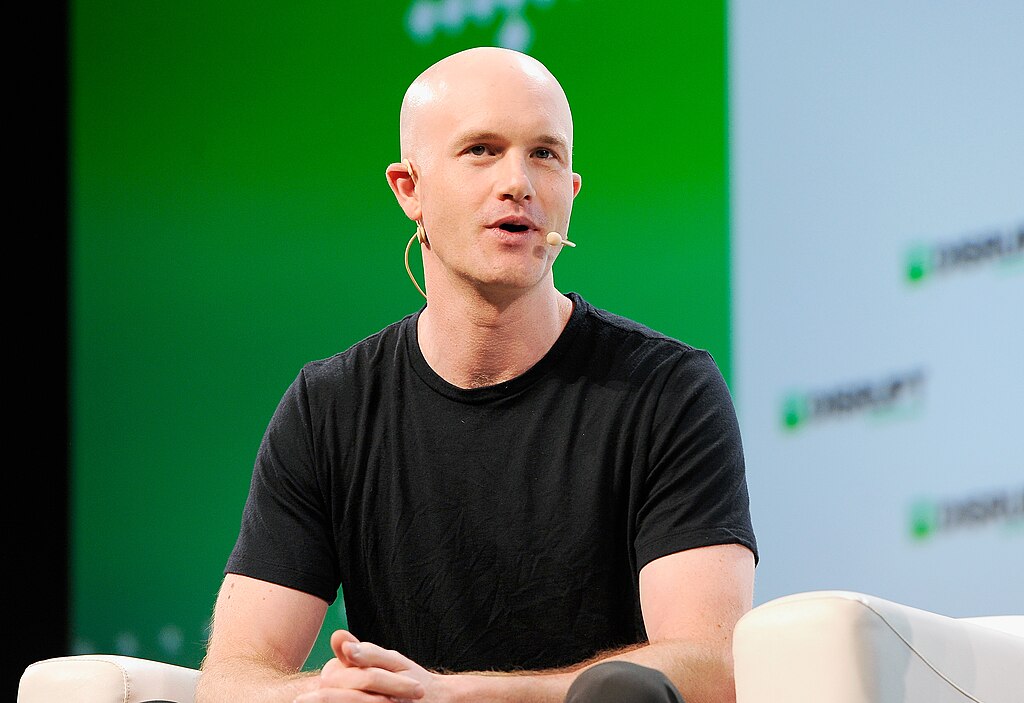
Coinbase CEO Brian Armstrong says banking trade groups—not individual banks—are the primary reason negotiations over U.S. crypto market structure legislation have stalled. Speaking at the World Liberty Forum at Mar-a-Lago, Armstrong argued that many banks increasingly see cryptocurrency and blockchain technology as an opportunity, while certain trade associations approach the issue with a “zero-sum” mindset.
According to Armstrong, some incumbent industry groups believe that for traditional banks to succeed, the crypto industry must lose. This perspective, he suggested, has complicated ongoing discussions around digital asset regulation and stablecoin oversight. Banking trade groups have represented the industry in White House-hosted meetings after efforts by the Senate Banking Committee to advance market structure legislation collapsed last month.
One of the key sticking points in the negotiations is stablecoin rewards. During the most recent meeting, banking representatives reportedly insisted that any revised crypto market structure bill should block stablecoin issuers from offering rewards. Another round of talks is expected soon as lawmakers and industry stakeholders attempt to reach a compromise.
Armstrong indicated that a new draft bill could include concessions benefiting banks, although he did not provide specific details. The previous version of the Digital Asset Market Clarity Act stalled ahead of a Senate Banking Committee hearing after Coinbase withdrew its support.
He also noted that smaller and mid-sized banks are more concerned about losing deposits to large national banks than to stablecoin issuers. Meanwhile, major financial institutions are increasingly embracing crypto adoption. Armstrong revealed that Coinbase currently provides crypto infrastructure services to five of the world’s largest banks, underscoring the growing integration of blockchain solutions into traditional finance.
With regulated U.S. stablecoins now offering rewards, Armstrong emphasized that policymakers and banks must decide whether to treat digital assets as a competitive threat or a strategic opportunity.
Riza Dagoc
Riza Dagoc reports on regulation, investing and the digital-asset business for TokenPost. Send corrections or tips to info@tokenpost.com.