
SEC and CFTC Issue Landmark Crypto Asset Classification Framework
For the first time in the history of digital finance, the U.S. Securities and Exchange Commission has released comprehensive guidance on how it will classify and regulate different types of cryptocurrency assets. Issu…

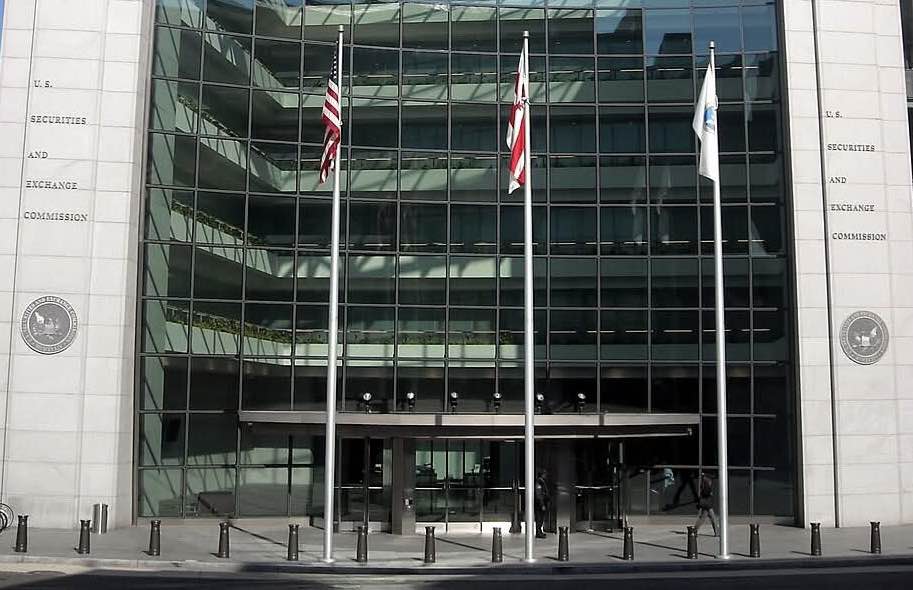
For the first time in the history of digital finance, the U.S. Securities and Exchange Commission has released comprehensive guidance on how it will classify and regulate different types of cryptocurrency assets. Issued jointly with the Commodity Futures Trading Commission, this landmark interpretive framework marks a turning point for the crypto industry following years of regulatory ambiguity.
SEC Chairman Paul Atkins, appointed by President Donald Trump to champion a pro-crypto agenda, unveiled the new "token taxonomy" at the Digital Chamber's DC Blockchain Summit. The guidance establishes four broad categories of crypto tokens: digital commodities, digital collectibles, digital tools, stablecoins, and digital securities. Critically, Atkins emphasized that under this new framework, most crypto assets will not be treated as securities, a position the previous administration under Chairman Gary Gensler had consistently refused to take.
The guidance also clarifies that a digital asset only qualifies as a security when it is offered as an investment in a common enterprise with profit expectations tied to management's efforts. Once those promises are fulfilled or abandoned, the asset may no longer fall under securities law. Importantly, activities such as airdrops, protocol staking, and protocol mining are explicitly excluded from the SEC's securities jurisdiction.
The CFTC has formally aligned with this same classification structure as part of a broader push toward regulatory harmonization between the two agencies. CFTC Chairman Brian Selig stated that the message to builders and innovators is now unmistakably clear: the United States is open for crypto business.
While the current guidance does not yet carry the force of a formal rule, the SEC plans to launch an official rulemaking process within weeks. The forthcoming proposal, expected to exceed 400 pages, will include an innovation exemption designed to give crypto firms greater operational flexibility. Congressional legislation, however, remains the only path to making these policy changes permanent.
Riza Dagoc
Riza Dagoc reports on regulation, investing and the digital-asset business for TokenPost. Send corrections or tips to info@tokenpost.com.